
A strategic breakthrough has been achieved for Pakistan’s maritime trade as Iran grants clearance for 20 Pakistan-flagged ships to transit the Strait of Hormuz. Deputy Prime Minister and Foreign Minister Ishaq Dar confirmed this pivotal development, which permits two Pakistani vessels daily through the vital waterway. This calibrated decision mitigates previous disruptions, ensuring critical energy and commodity flows remain unhindered for Pakistan’s economic stability.

The Translation: Calibrating Maritime Pathways
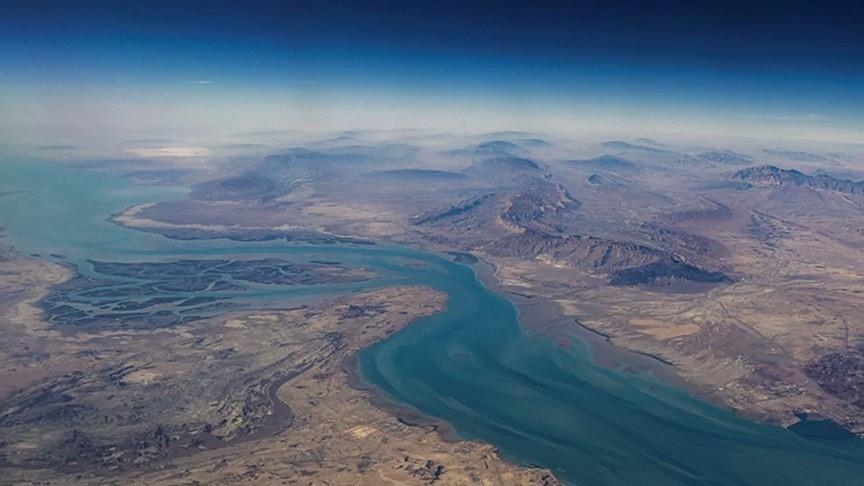
The Strait of Hormuz, a narrow sea lane connecting the Persian Gulf with the Arabian Sea, is a global chokepoint for oil shipments. Its strategic significance for international trade, particularly for energy imports to nations like Pakistan, cannot be overstated. Following recent geopolitical tensions, commercial shipping faced considerable disruptions, impacting global supply chains and regional economies. This new arrangement directly addresses these challenges.
Specifically, Iran’s approval allows for a systematic transit of two Pakistani ships per day. This structured approach, a direct result of diplomatic engagements, aims to restore consistent and predictable maritime access. Two Pakistani vessels have already successfully navigated the strait since the previous restrictions, demonstrating the immediate impact of these renewed protocols. For instance, the tanker Lorax transported 500,000 barrels of crude oil from the UAE, while P Aliki carried 600,000 barrels from Saudi Arabia, both destined for Pakistani ports.

Socio-Economic Impact: Ensuring Energy Security and Trade Flow
This operational update has immediate and tangible benefits for Pakistani citizens. Firstly, it directly enhances Pakistan’s energy security by safeguarding the passage of crucial oil and gas imports through the Pakistan Strait of Hormuz route. Stable energy supplies translate to consistent power generation and fuel availability, benefiting households and industries across urban and rural Pakistan.
Furthermore, the uninterrupted flow of commercial goods strengthens Pakistan’s overall trade landscape. Businesses can now rely on more stable import and export routes, reducing logistical uncertainties and potential cost escalations. This stability supports professionals reliant on global supply chains and ensures consumer access to essential commodities. Consequently, this strategic clearance fosters a more resilient national economy, mitigating risks of inflation stemming from trade disruptions.
- Students: Benefit from a stable economy that supports educational infrastructure and employment prospects.
- Professionals: Experience fewer disruptions in supply chains for their respective industries.
- Households: Gain from consistent energy supplies and stable prices for imported goods.
The Forward Path: A Stabilization Move for Regional Connectivity
This development represents a significant Stabilization Move rather than a complete Momentum Shift. While it does not fundamentally alter geopolitical dynamics, it strategically de-risks a critical maritime artery for Pakistan. The gesture by Iran, following Pakistan’s diplomatic support, underscores the effectiveness of bilateral engagement in addressing shared logistical challenges.
The calibrated permission for transit through the Pakistan Strait of Hormuz demonstrates a pragmatic approach to regional connectivity and trade continuity. It establishes a functional baseline for future maritime cooperation and ensures that essential economic lifelines remain robust amidst complex regional scenarios. This precise diplomatic maneuver enhances systemic efficiency and contributes to a more predictable operational environment for Pakistan’s trade ambitions.









