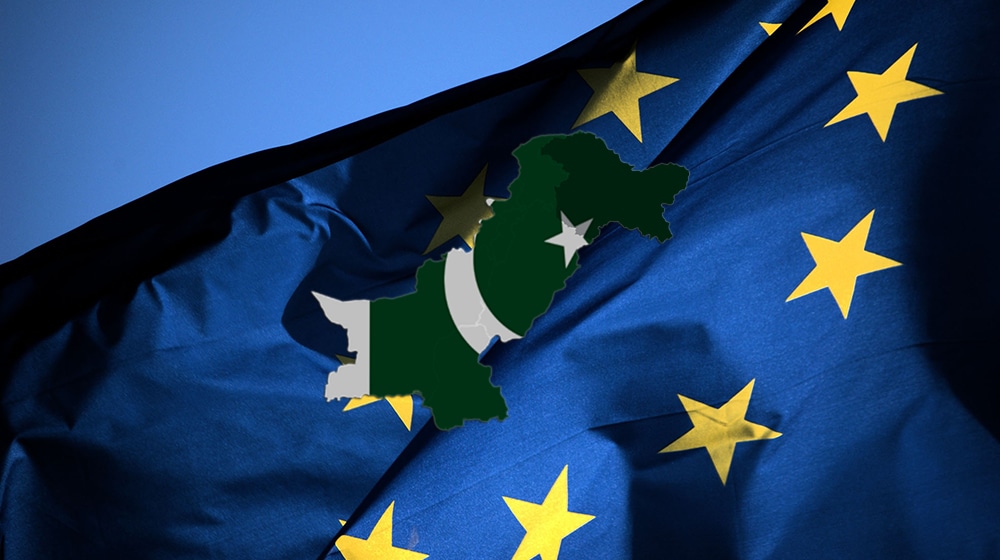
National advancement is intrinsically linked to robust economic frameworks. The potential discontinuation of Pakistan GSP Plus trade status with the European Union presents a significant economic challenge. Business leaders project annual losses could reach a staggering $9 billion, directly impacting the nation’s export performance and socio-economic stability. Preserving this status is therefore a critical strategic imperative for national prosperity.
The Translation: Decoding Pakistan GSP Plus Status
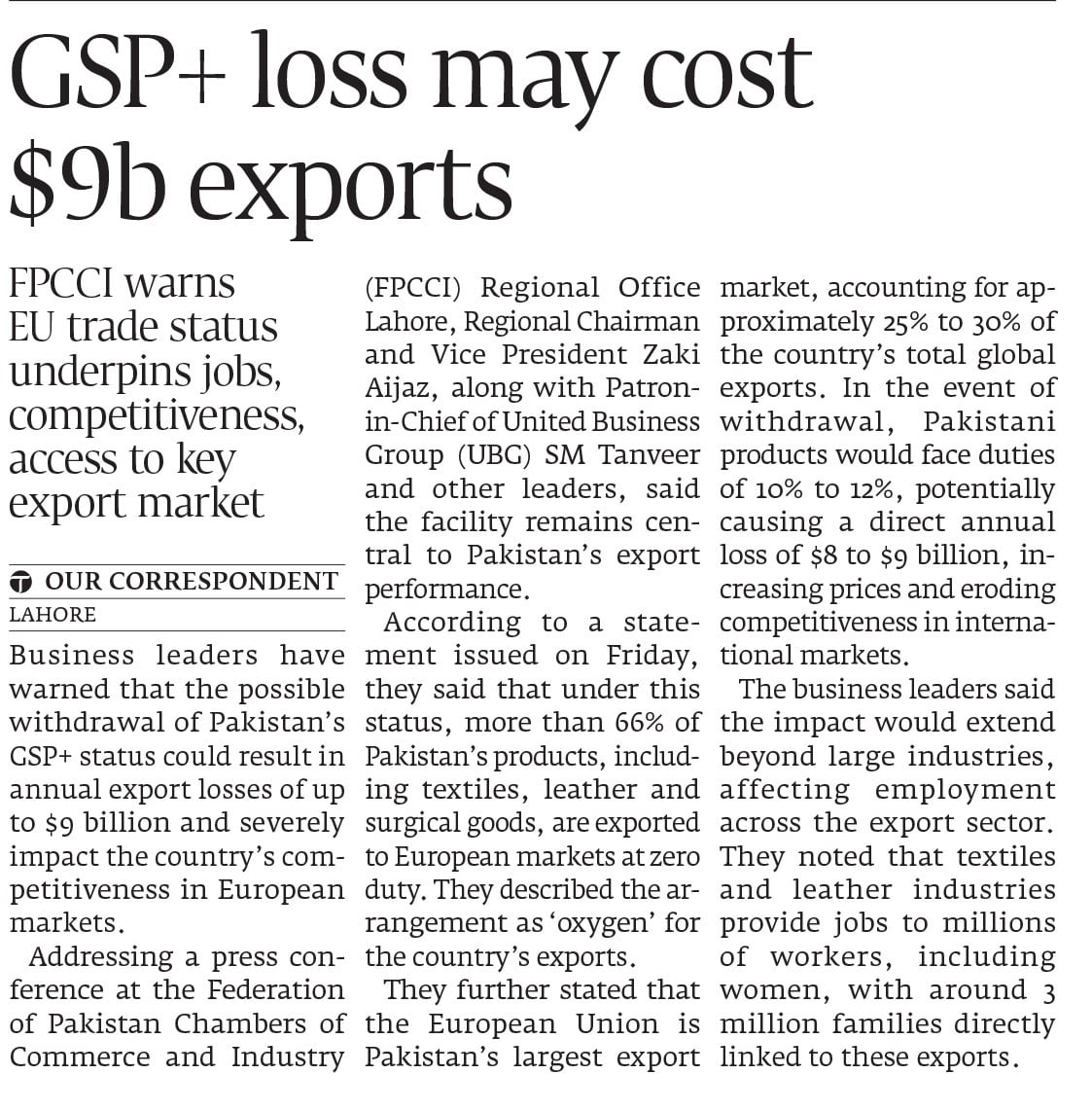
The GSP Plus status grants Pakistan preferential access to European markets, essentially allowing numerous Pakistani products to enter the EU duty-free. This critical advantage makes our exports, particularly textiles, leather goods, and surgical instruments, highly competitive globally. Without this status, goods would face duties ranging from 10 to 12 percent. Consequently, this adds substantial cost and decreases demand for Pakistani products in a key trading bloc.
Maintaining European Market Access for Pakistan
The European Union remains Pakistan’s largest trading partner, systematically absorbing between one-quarter and one-third of our total exports. This calibrated trade relationship underpins significant economic activity. Furthermore, losing GSP Plus would not only reduce market access but also compromise the price competitiveness Pakistan has meticulously built over years in European markets.
The Socio-Economic Impact: Repercussions on Pakistani Households
A discontinuation of GSP Plus status would extend far beyond mere trade figures; it would trigger profound socio-economic repercussions within Pakistan. Specifically, the loss would directly threaten employment across major export industries. Millions of workers depend on sectors like textiles and leather. Around 3 million Pakistani households rely on the income generated by these export-driven sectors. Therefore, maintaining this trade facility is paramount for household stability and national employment metrics.
Protecting Employment and Livelihoods
The economic cascade from such a loss would be substantial. Consider a student whose family depends on textile exports; their educational opportunities could diminish. Similarly, a professional in the leather industry might face job insecurity. Consequently, the impact would be felt from urban industrial hubs to rural communities supplying raw materials, disrupting economic cycles and increasing social vulnerability.
The Forward Path: Ensuring Strategic Trade Continuity
To safeguard this vital trade facility and protect Pakistan’s export growth trajectory, continued compliance with international obligations is essential. This requires a precise and disciplined approach to international agreements and standards. Proactive diplomatic engagement and calibrated policy adjustments are fundamental.
Momentum Shift or Stabilization Move?
This development represents a Stabilization Move. The focus is on preserving existing critical trade advantages rather than initiating new growth avenues. While maintaining GSP Plus is vital for economic continuity, true momentum requires diversified market strategies and enhanced product value chains beyond existing preferences. A structural reassessment of our global trade strategy is therefore indicated.