Effective March 30, 2026, the United States will systematically broaden its US visa social media screening protocol. This strategic expansion mandates that many visa applicants disclose their social media accounts for review by consular officers. This calibrated measure aims to bolster national security frameworks; consequently, applicants should anticipate potentially extended processing timelines and rigorous supplementary background verifications.
The Translation: Deconstructing Enhanced Digital Scrutiny
This policy adjustment isn’t merely procedural; it signifies a structural shift in how visa eligibility is assessed. Previously, only specific visa categories like F, M, J, H-1B, and H-4 were subject to social media scrutiny. The updated directive significantly broadens this scope, now encompassing a diverse array of applicants. This includes individuals seeking:
- Domestic Worker Visas: A-3, C-3, G-5
- Student & Exchange Visas: F, M, J
- Family-Related Visas: Fiancé (K-1, K-2), Spouse (K-3), and Dependents (H-3, H-4, R-1, R-2)
- Specialized Visas: Cultural (Q), Religious (S), and Crime-Related (T, U)
Furthermore, applicants within these expanded categories must now grant consular officers access to their digital footprint—specifically, public social media activity and online profiles. Any digital content identified as ambiguous or potentially concerning could trigger intensified scrutiny, additional checks, or ultimately, visa refusal. This constitutes a precision-focused approach to security.
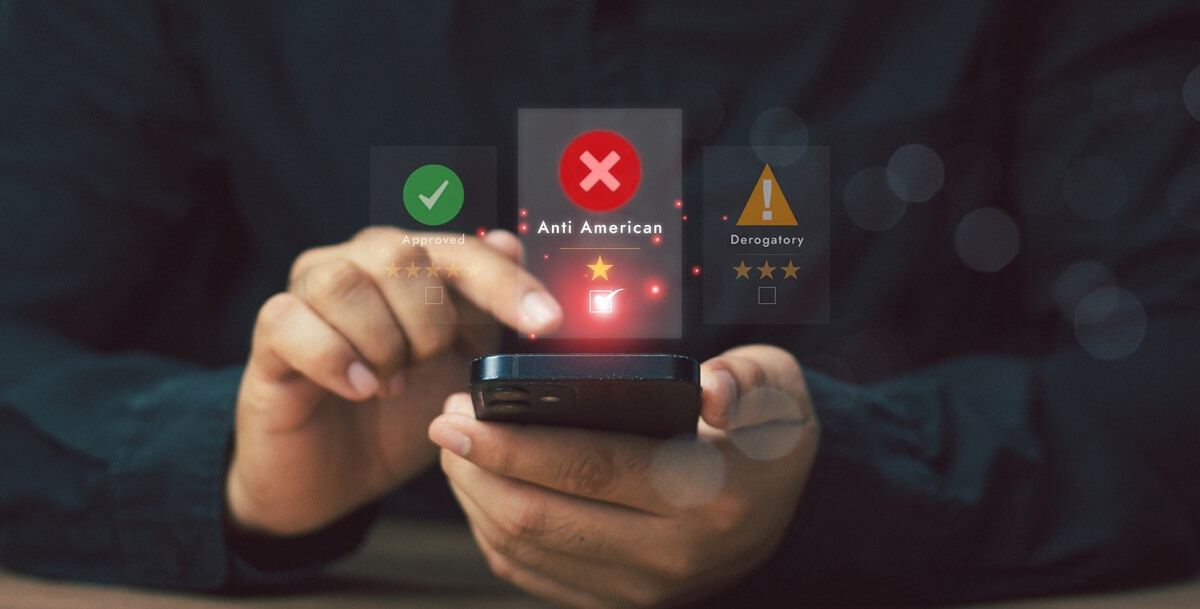
The Socio-Economic Impact: Calibrating Expectations for Pakistani Citizens
This expanded US visa social media screening directly impacts Pakistani citizens aspiring for education, employment, or family reunification in the United States. For students, professionals, and households across urban and rural Pakistan, this translates into several critical adjustments. First, expect a notable increase in application processing durations and a potential reduction in available appointment slots. Consequently, proactive planning becomes paramount.
Moreover, individuals must meticulously review and curate their public digital presence. Sensitive or easily misinterpreted online content now carries direct implications for visa outcomes. This policy necessitates a heightened awareness of one’s digital narrative, transforming it into a vital component of the application process. The onus is on the applicant to present a clear, consistent, and compliant online persona.
The Forward Path: A Stabilization Move for National Advancement
From an “Innovator” perspective, this development represents a “Stabilization Move.” It is a strategic effort by the U.S. government to enhance system efficiency and national security by integrating digital intelligence into its visa evaluation baselines. While this measure introduces new layers of complexity for applicants, particularly in Pakistan, it underscores the evolving nature of international travel protocols.
This move is not a barrier to progress but rather a recalibration of the entry system. It demands that aspiring travelers from Pakistan adapt with precision, ensuring their digital profiles align with their declared intentions. Consequently, early application submission and a disciplined review of online footprints are now integral to a successful visa application strategy. This structural adjustment reinforces security parameters in a digitally interconnected world.