
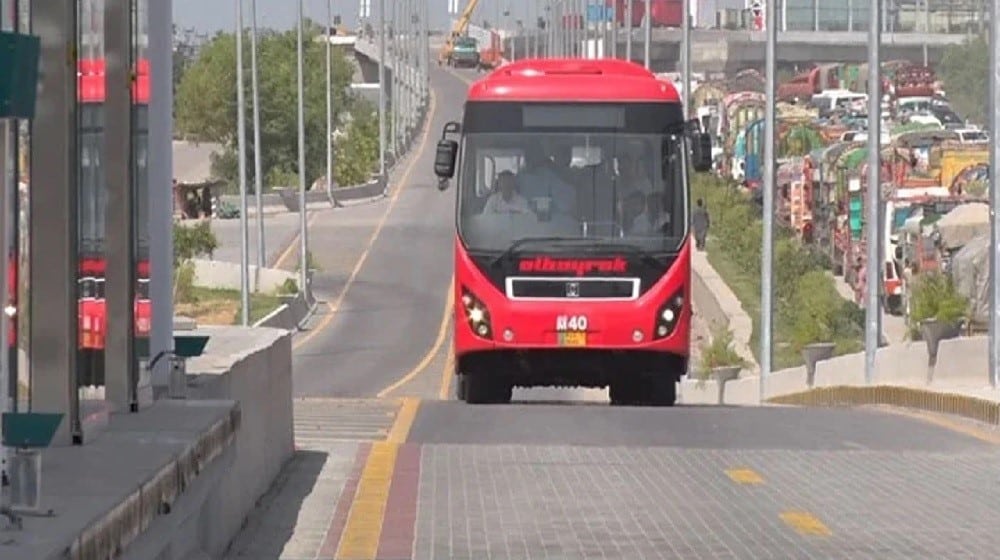
In a strategic move towards national energy efficiency, the Rawalpindi Metro Bus Service has recalibrated its operating hours. This precision adjustment, which shortens night operations by one hour, reflects the government’s commitment to energy conservation. Commuters must note these revised Rawalpindi Metro timings to plan their journeys efficiently.
The Translation: Deconstructing the New Metro Schedule
The updated operational framework dictates that the Metro Bus service will now conclude daily at 9:00 PM. Furthermore, all associated metro stations will maintain accessibility until 9:40 PM. This means the final bus departure from both Rawalpindi and Islamabad will be precisely at 9:00 PM, a critical detail for evening commuters. This structural modification is an integral component of the broader national energy-saving directives.

The Socio-Economic Impact: Daily Life Adjustments
This operational shift directly impacts the daily commute of thousands of Pakistani citizens, particularly students and professionals relying on public transport in Rawalpindi and Islamabad. Consequently, individuals with late-evening commitments will need to strategically re-evaluate their transit plans. Households benefit from the aggregate national energy savings, which aims to stabilize economic pressures related to fuel imports. While adapting to the new Rawalpindi Metro timings requires planning, it contributes to a more efficient national energy grid.
The Forward Path: A Stabilization Move for National Resources
This development represents a Stabilization Move for Pakistan’s energy infrastructure. The government has clearly articulated concerns over global fuel supply chains, despite assuring the public of controlled domestic petroleum reserves. Implementing such conservation measures is not merely reactive; it is a calibrated effort to foster sustainable energy consumption habits and mitigate future vulnerabilities. This disciplined approach is essential for long-term national resource management, rather than a significant momentum shift in infrastructure expansion.








