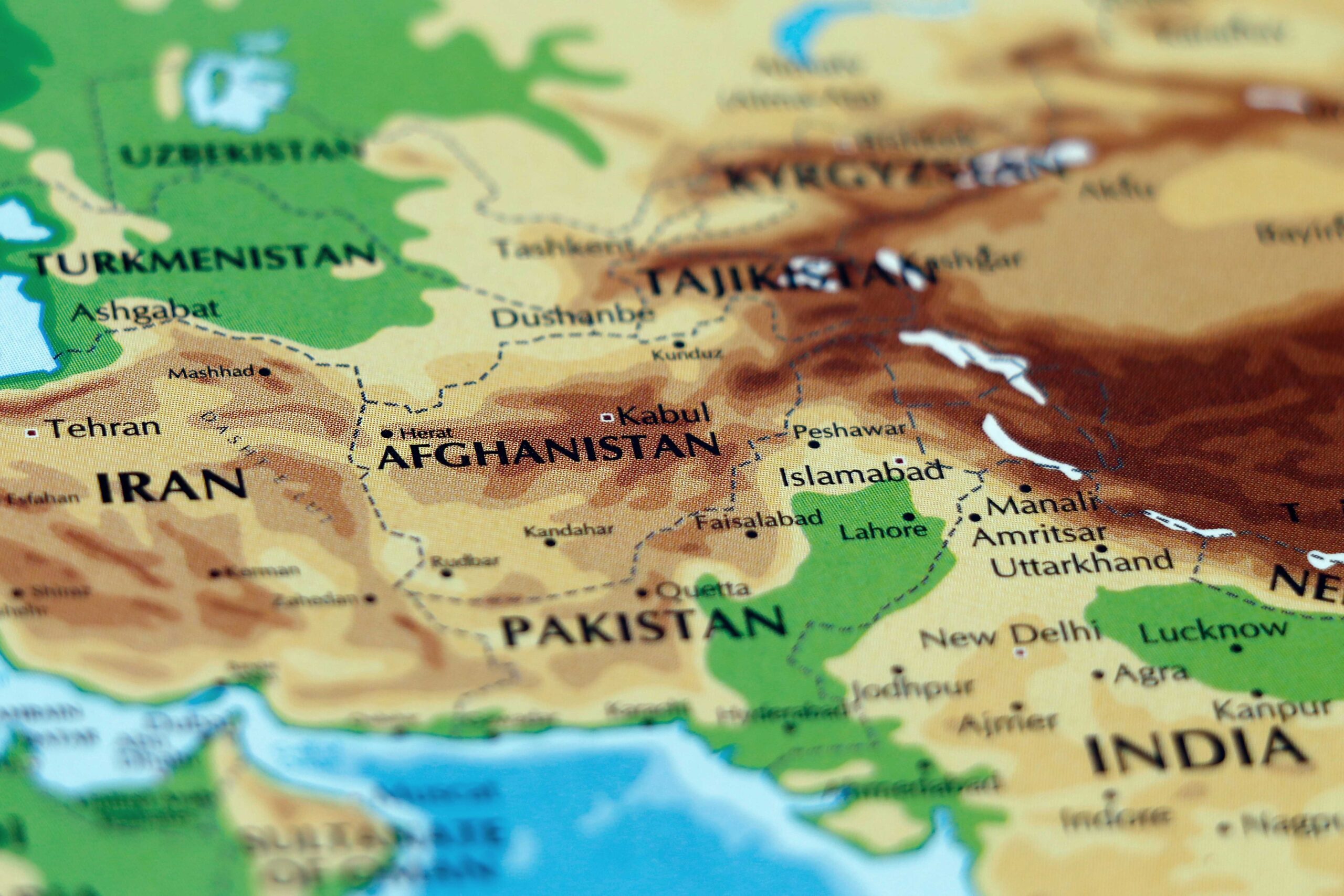
Pakistan has strategically calibrated a pivotal trade shift, securing Iran border exports as a critical alternative to disrupted routes through Afghanistan. The federal government has initiated a temporary, three-month exemption from standard financial instrument requirements, enabling seamless trade with Iran, the Central Asian Republics, and Azerbaijan via the land corridor. This precision move directly addresses operational challenges faced by exporters, ensuring economic continuity and market access from March 24, 2026, to June 21, 2026.
The Translation: De-risking Trade Logistics
This governmental action represents a structural adjustment to Pakistan’s Export Policy Order 2022. Specifically, the Ministry of Commerce has relaxed Para 3 provisions, which typically mandate strict adherence to State Bank of Pakistan foreign exchange regulations. Consequently, this temporary measure bypasses bureaucratic friction, allowing immediate trade facilitation. Previously, banks such as Askari Bank, Soneri Bank, and Habib Bank Limited encountered difficulties, unable to process transactions without explicit operational directives. This exemption provides that necessary clarity, streamlining the export process for a diverse range of commodities.

Strategic Pivot: Securing Iran Border Exports
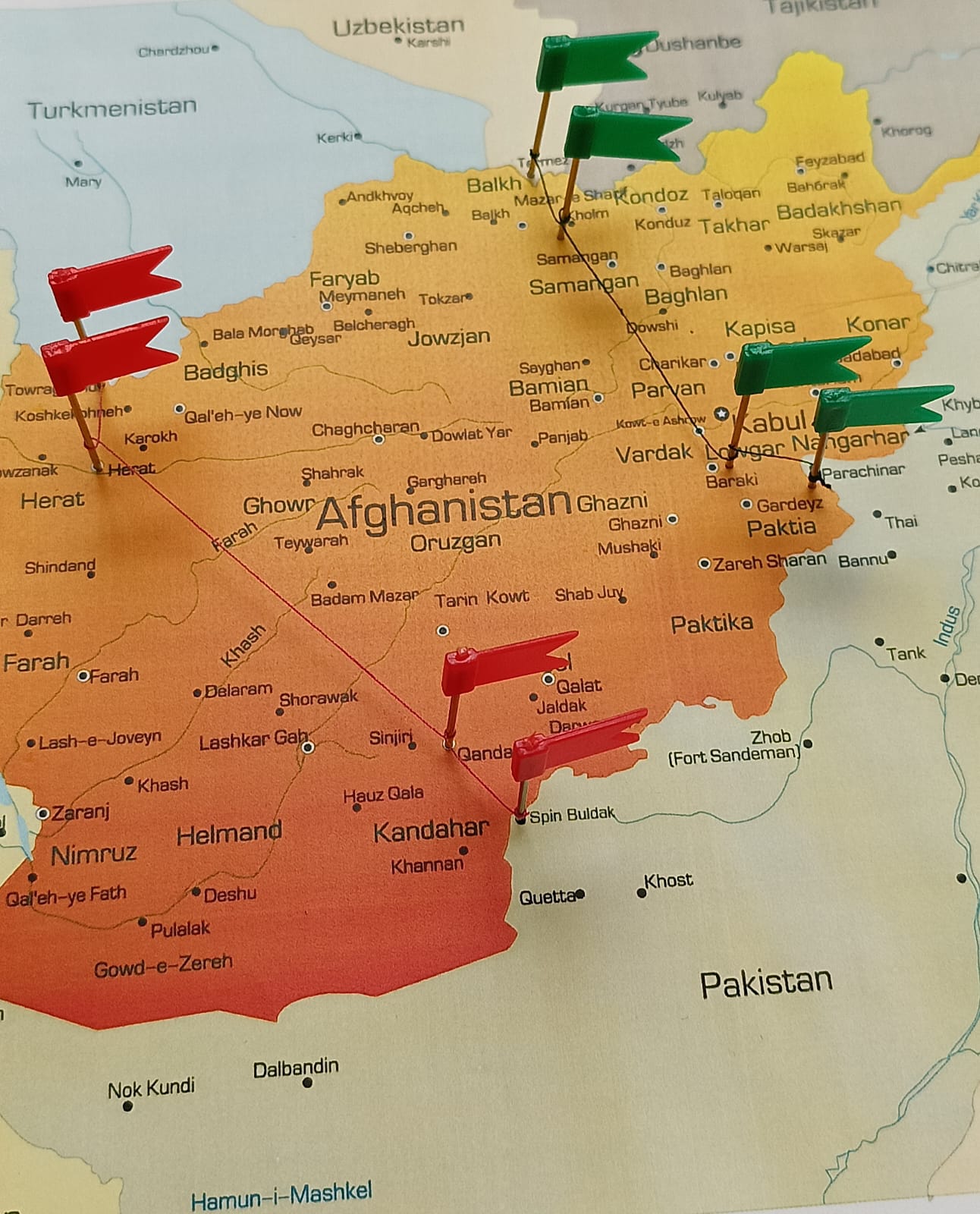
For too long, Pakistan’s traditional export pathways through Afghanistan have faced significant disruptions, including prolonged border closures. This has severely impacted exports to both Afghanistan and Central Asian markets. For instance, during the first eight months of FY2025-26, exports to Afghanistan plummeted by over 56 percent to approximately $219 million. Concurrently, Central Asian exports remained subdued at around $109 million due to persistent transit constraints. Therefore, establishing new, robust corridors, such as the Iran border exports route, is a strategic imperative for national economic resilience.
- Key Export Commodities to Iran:
- Milled rice, seafood, potatoes, meat, onions, maize, citrus fruits, bananas, tomatoes, frozen chicken.
- Pharmaceuticals and tents.
- Exports to Central Asian Republics and Azerbaijan (via Iran):
- Primarily rice.
This policy adjustment mandates a clear undertaking from exporters: all export proceeds must be repatriated within the stipulated timeframe. This ensures financial discipline while accelerating trade flows.
The Socio-Economic Impact: Empowering Citizens and Markets
This strategic pivot directly enhances the daily lives of Pakistani citizens by safeguarding critical agricultural and industrial sectors. For farmers, particularly those growing rice, potatoes, onions, and citrus fruits, the opening of the Iran land corridor guarantees sustained market access, preventing potential losses due to halted exports. Professionals in the pharmaceutical and logistics industries gain renewed opportunities as supply chains normalize and expand. Households across urban and rural Pakistan benefit from stabilized economic activity, ensuring job security and revenue generation. In essence, this move mitigates economic volatility, fostering predictable growth.
The Forward Path: A Momentum Shift
This development signifies a clear Momentum Shift for Pakistan. By proactively addressing transit vulnerabilities and diversifying trade routes, the government demonstrates a calibrated approach to systemic efficiency. It shifts Pakistan from a reactive position to a proactive one in regional trade dynamics. This measured response not only mitigates immediate economic risks but also structurally reinforces Pakistan’s position as a dynamic, adaptable trade partner in a complex geopolitical landscape. This strategic diversification is a baseline requirement for sustainable national advancement.