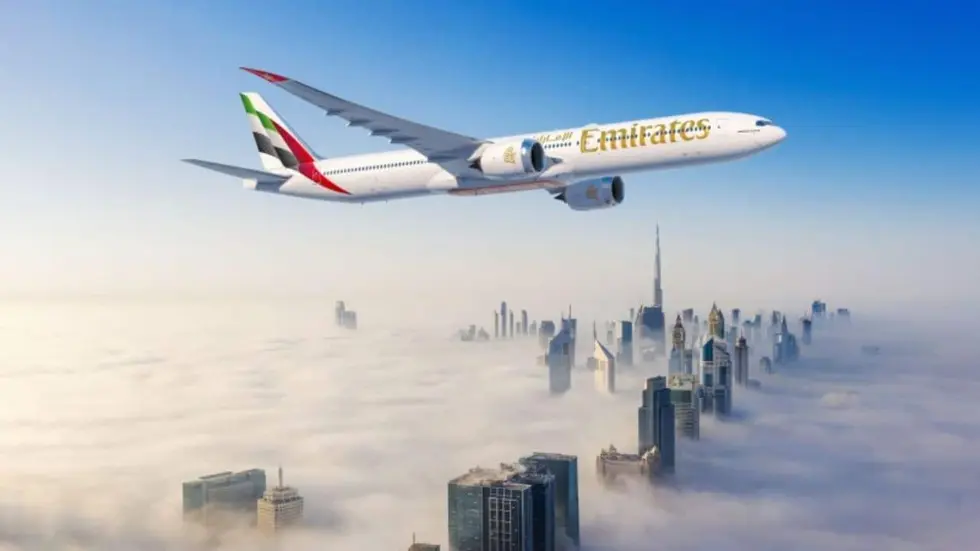
Pakistan’s aviation sector faces a critical inflection point as Pakistan jet fuel rates have nearly tripled, elevating air travel costs dramatically across all routes. This structural recalibration of operational expenses necessitates a fundamental reassessment of flight pricing strategies, impacting both domestic and international passenger mobility for citizens.
Calibrating Air Travel Economics: The Rise in Fuel Costs
The Translation: Deconstructing the Fuel Surcharge Mechanism
Previously, a liter of jet fuel in Pakistan cost Rs. 176; now, this baseline price has surged dramatically to Rs. 417. This exponential increase directly correlates with airlines imposing additional fuel surcharges, systematically integrating them into the final ticket price. Consequently, these surcharges, ranging from $10 to $100 per ticket, significantly inflate the total fare paid by the consumer.
Specifically, Pakistan International Airlines (PIA) has strategically adjusted its cost structure. It added $10 for local flights, $100 for Canadian routes, $75 for the UK, and $50 for Saudi Arabian and Gulf destinations. Furthermore, private carriers have implemented similar protocols, applying additional charges between $15 and $150.
This structural recalibration means a one-way domestic flight connecting major urban hubs like Karachi, Islamabad, and Lahore can now cost up to Rs. 40,000. Moreover, for international economy class travel to key global destinations such as the Middle East, Toronto, Paris, and Manchester, ticket prices currently fluctuate between Rs. 300,000 and Rs. 700,000. Industry analysts attribute these significant spikes primarily to the escalating global fuel market and specific airspace restrictions within the Gulf region.

Socio-Economic Impact: Navigating the Elevated Cost of Mobility
This surge in Pakistan jet fuel rates translates into tangible economic adjustments for every citizen. For students aspiring to pursue education abroad or professionals engaged in international business, the increased cost of air travel represents a substantial financial barrier, potentially hindering access to global opportunities. Domestically, higher airfares reduce internal mobility for families and individuals, impacting tourism, regional commerce, and the ease of connecting with distant relatives.
In urban centers, this shifts travel patterns, potentially increasing reliance on ground transport, while for rural populations, the already limited access to air travel becomes even more cost-prohibitive, exacerbating existing disparities across Pakistan.

The Forward Path: A Stabilization Move or Momentum Shift?
The current trajectory of Pakistan jet fuel rates indicates a stabilization move within the aviation industry, adapting to unprecedented external cost pressures. However, expert projections suggest a potential for an additional 100 percent increase in ticket fares if fuel prices continue their upward climb. This scenario could transform the current stabilization into a critical momentum shift, fundamentally redefining air travel as a premium service rather than a broadly accessible mode of transport for a significant segment of the Pakistani populace. Strategic intervention and calibrated policy adjustments are imperative to mitigate these structural economic impacts.