Revolutionizing Justice: Pakistan Courts Embrace Big Data Analytics
Pakistan’s National Information Technology Board (NITB) spearheads a groundbreaking initiative. It integrates a sophisticated big data-based analytics system into the nation’s judicial framework. This transformative plan modernizes Pakistan’s courts, thereby enhancing their efficiency, transparency, and overall responsiveness to public needs. This significant move toward digital governance directly aligns with the Prime Minister’s vision for technology-driven public service reforms. Ultimately, this will improve Pakistan Judicial Data management.
During a recent review meeting, Prime Minister Muhammad Shehbaz Sharif chaired discussions on NITB’s performance. Officials unveiled the strategic roadmap for this ambitious project. Consequently, the Prime Minister underscored the critical importance of leveraging modern technology to simplify citizens’ access to government services. He emphasized that digital platforms are essential for improving efficacy across all public sector institutions.

Why Pakistan’s Judiciary Needs Digital Transformation
The core objective of introducing big data analytics into the judiciary is clear: usher in a new era of informed decision-making and streamlined processes. By analyzing vast amounts of judicial information, this system is expected to identify patterns, predict outcomes, and provide insights. Furthermore, it can significantly reduce case backlogs and expedite legal proceedings. This initiative goes beyond merely digitizing existing operations; it fundamentally rethinks how justice is administered and accessed.
The NITB’s initiative perfectly aligns with a broader national agenda to embrace digital transformation. This involves creating a judicial system that is not only faster but also fairer and more accessible for every citizen. Through data-driven insights, courts can better allocate resources, identify systemic bottlenecks, and ultimately deliver justice more effectively.

Key Benefits of Big Data in Pakistan Judicial Data Management
The implementation of a big data analytics system promises several tangible benefits for the judicial process. Consequently, these advancements will enhance efficiency and transparency within Pakistan’s legal system:
- Enhanced Case Management: Automated analysis of case histories, precedents, and procedural data will allow for more efficient case tracking and management.
- Reduced Backlogs: By identifying common delays and bottlenecks, the system can help courts proactively address issues that contribute to prolonged trials.
- Informed Decision-Making: Judges and legal professionals will gain access to comprehensive data insights, aiding in more consistent and evidence-based judgments.
- Resource Optimization: Data analytics can highlight areas where judicial resources are underutilized or overstretched, allowing for better allocation.
- Improved Transparency: By digitizing records and processes, the system will foster greater accountability and transparency within the judicial system, minimizing opportunities for malpractice.
NITB’s Wider Push for Digital Governance in Pakistan
The deployment of big data analytics in courts forms part of a larger, cohesive strategy by the NITB. This strategy aims to drive digital transformation across various government sectors. Furthermore, the board, under its newly appointed chief executive officer, actively restructures its organizational framework. This ensures it meets contemporary technological demands. This comprehensive approach integrates digital solutions across the public sector, fostering a truly digital Pakistan.
Other significant initiatives currently underway or nearing completion include:
- Asaan Khidmat Markaz (Easy Service Centers): Preparations for establishing these citizen facilitation centers in Islamabad have been completed. They aim to provide a single point of access for various government services.
- Secure Government Applications: A new, secure application for use across all government institutions is under development. It is designed to streamline inter-departmental communication and operations.
- Hajj Process Digitization: All essential stages of the Hajj process will be fully digitized starting this year. This will significantly ease the pilgrimage experience for citizens.
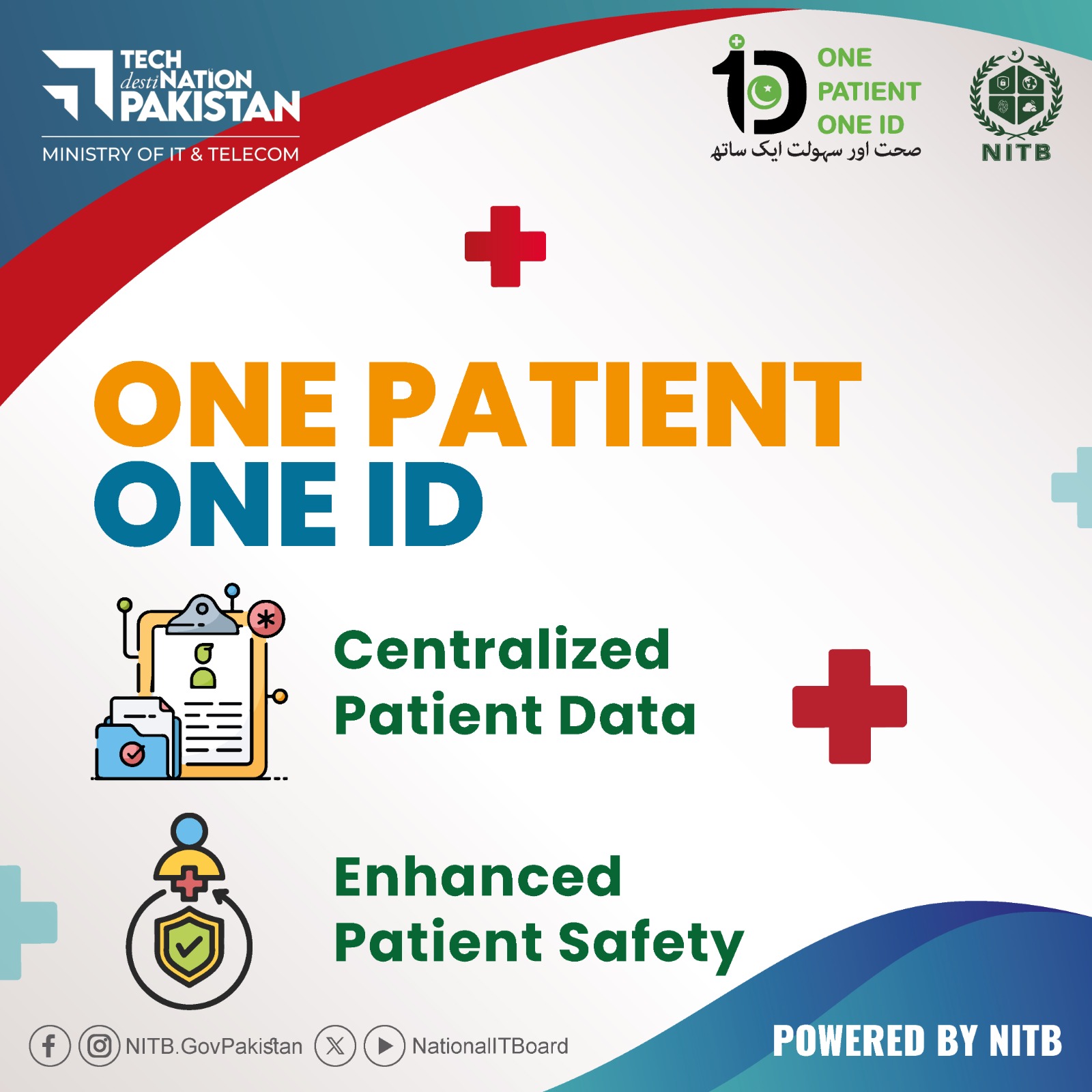
- One Patient, One ID Integrated System: This system for hospitals is nearing completion. It promises to revolutionize patient care and hospital performance through unified digital health records.

Overcoming Challenges for Digital Justice in Pakistan
Implementing such an extensive digital overhaul in the judiciary comes with its share of challenges. These include ensuring robust data security and privacy protocols, developing the necessary IT infrastructure, and providing comprehensive training to judicial staff. However, the government’s commitment, led by the Prime Minister, emphasizes a proactive approach to mitigating these hurdles. Consequently, they aim for a smooth transition.
Continuous investment in technology, skilled personnel, and a culture of digital literacy will be crucial for the sustained success of this initiative. The NITB’s systematic approach, informed by global best practices, specifically navigates these complexities. It ensures a smooth transition to a digitally empowered judicial system and enhanced Pakistan Judicial Data security.
The Citizen’s Advantage: A Fairer, Faster Justice System
The ultimate beneficiaries of this judicial digital transformation will be the citizens of Pakistan. A more efficient, transparent, and responsive justice system means quicker resolution of legal matters, reduced litigation costs, and greater trust in judicial institutions. The big data analytics system will not only empower the courts but also ensure that justice is delivered equitably and without undue delay.
This initiative represents a significant stride toward fulfilling the vision of a “Digital Pakistan.” Here, technology serves as a cornerstone for good governance, economic growth, and social progress. By embracing advanced analytics, Pakistan’s courts are setting a precedent for other sectors to follow. This demonstrates a strong commitment to modernizing public services for the benefit of all.

A Digital Future for Pakistan’s Legal System
The introduction of a big data analytics system in Pakistan’s courts, spearheaded by the NITB, marks a pivotal moment. It signifies the nation’s journey towards comprehensive digital transformation. This strategic move promises to revitalize the judicial landscape, making it more efficient, transparent, and accessible. As Pakistan continues to invest in technology to improve governance and public service delivery, this initiative stands as a testament to its dedication to a digitally empowered future for justice.