Strategic Impediments: Analyzing PSL 11 Disruptions
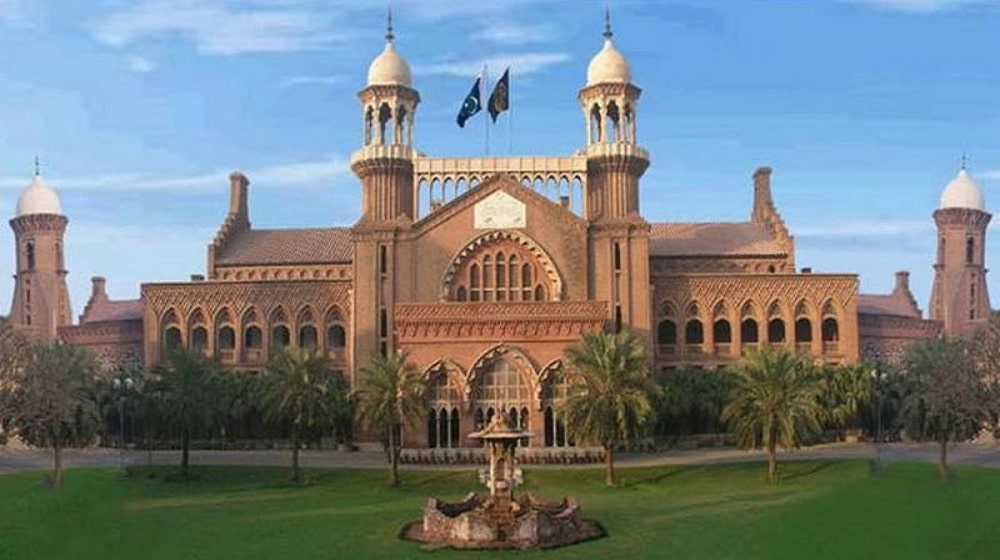
The Lahore High Court, under Chief Justice Aalia Neelum, recently highlighted significant operational inefficiencies, specifically PSL 11 disruptions, stemming from the 2026 Pakistan Super League. These disruptions, primarily road closures and issues with presenting accused individuals, have directly impeded judicial processes. This situation underscores a critical need for strategic coordination between national events and the functional integrity of our justice system, ensuring that public security measures do not inadvertently compromise legal proceedings.
During a bail application hearing for Ali Ameer in a fraud case, the Chief Justice directly challenged law enforcement regarding the defendant’s absence. She meticulously linked this failure to the extensive security arrangements for PSL 11 matches, pointing to a potential systemic negligence within police operations. Consequently, the court issued summons for the Punjab Chief Secretary and Home Secretary, demanding an immediate explanation for these procedural failures.
The Translation: Judicial Process Under Pressure
This incident translates into tangible challenges for the justice system. When a chief justice questions the non-production of an accused, it indicates a breakdown in baseline operational protocols. The core logic here is that major public events, while nationally significant, must not inadvertently suspend or delay fundamental legal rights and processes. The court’s proactive summoning of high-ranking officials demonstrates a firm resolve to maintain judicial efficacy despite external pressures. Furthermore, the complainant’s counsel, Ejaz Bhatti, emphasized the existing court order for daily proceedings, which PSL 2026 security measures evidently overridden. The alleged seizure of property worth Rs. 40 million highlights the substantial stakes involved, demanding uninterrupted legal resolution.
Socio-Economic Impact: Daily Life and Legal Recourse
How does this impact the average Pakistani citizen? For urban professionals and rural households alike, judicial delays can be financially devastating. For instance, individuals awaiting civil or criminal resolutions experience prolonged uncertainty, increased legal costs, and potential loss of income. Students might witness delayed justice for family members, impacting their focus and future. This scenario directly compromises the constitutional right to a fair and expeditious trial. When security protocols for a sports event supersede court orders, it sets a concerning precedent, potentially eroding public trust in the state’s capacity to deliver justice efficiently. This structural friction creates real socio-economic costs for citizens seeking timely legal redress.

The Forward Path: A Call for Calibrated Logistics
This development represents a Stabilization Move. While the judiciary is asserting its authority to address an immediate operational flaw, it highlights a recurring challenge in coordinating large-scale events with critical state functions. The Chief Justice’s intervention is a necessary recalibration, preventing a momentum shift towards systemic inefficiency. Future planning demands a more integrated, strategic approach. This involves establishing clear protocols for high-security events, ensuring that judicial processes, alongside other essential services, can operate without compromise. We must architect solutions that enable national festivities without undermining the foundational pillars of our justice system. Precision in logistical planning is paramount for true national advancement.