

Strategic Postponement: Averting a Nationwide Fuel Disruption
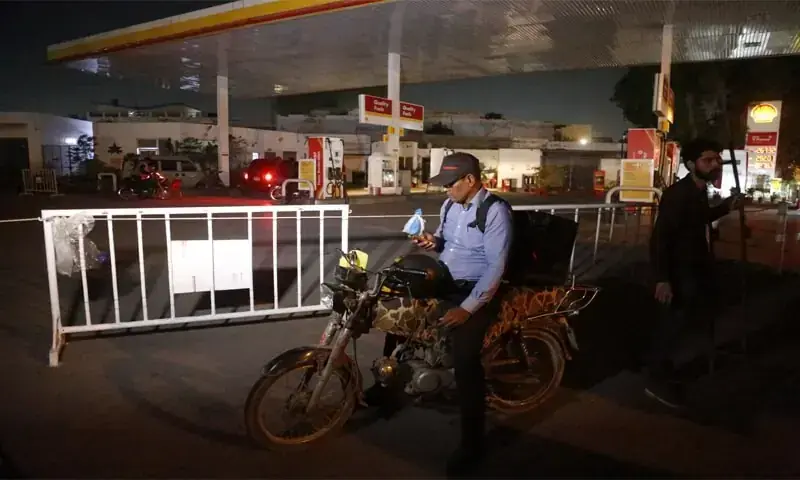
The Petroleum Dealers Association has strategically postponed its planned nationwide strike, initially set for March 27, thereby averting an immediate fuel supply disruption across Pakistan. This calculated decision offers a crucial reprieve for the national logistics network and daily commuters, as dealers seek an elevated 8 percent profit margin on petrol and diesel sales amidst rising operational costs. Consequently, this move allows for continued dialogue and a potential resolution to the economic pressures faced by the sector.
Calibrating Profit Margins: The Dealers’ Core Demands
The Translation: Decoding Financial Pressures
In a statement issued from Lahore, association representative Jehanzeb Malik articulated the demand for an 8 percent profit margin on both petrol and diesel sales. Currently, dealers receive a calibrated Rs6.70 per liter as profit on petrol. Nevertheless, this figure is deemed insufficient given the escalating operational expenses. These costs include increased utility bills, labor wages, and maintenance for infrastructure, directly impacting the economic viability of operating fuel stations.
The Socio-Economic Impact: Fueling Daily Life
The profitability of petroleum dealers directly influences the stability of fuel prices and availability for every Pakistani citizen. Furthermore, inadequate margins can lead to reduced investment in infrastructure upgrades, potentially affecting service quality and accessibility in both urban and rural areas. For students, professionals, and households, consistent and affordable fuel supply is a baseline requirement for daily commutes, commercial activities, and overall economic participation.

Strategic Engagement: Pathways to Resolution
The Translation: Calls for Ministerial Dialogue
Earlier, the All Pakistan Petroleum Pump Owners Association initiated formal communication, dispatching a letter that requested an urgent meeting with Ali Pervaiz Malik, the federal minister for petroleum. This proactive outreach followed a prior, unaddressed request on March 6. This consistent effort underscores the sector’s imperative for direct engagement with governmental bodies to articulate their challenges and propose collaborative solutions.
The Socio-Economic Impact: Policy and Stability
Timely government engagement with industry stakeholders is a structural component of economic stability. When dialogue channels remain open, the risk of disruptive events like a petroleum dealers strike diminishes significantly. Consequently, this directly translates to uninterrupted services for citizens and predictability for businesses, fostering an environment conducive to economic growth and daily normalcy for all Pakistanis.
Operational Baselines: Navigating Sectoral Challenges
The Translation: Identifying Systemic Vulnerabilities
According to the association, the petroleum retail sector contends with a complex array of operational and financial difficulties. These include volatile price fluctuations and sudden, uncalibrated policy changes. The group therefore urges the government to integrate industry stakeholders into policy-making processes. This ensures that regulatory frameworks are structurally sound and reflective of on-ground realities, promoting efficient sector operation.
The Socio-Economic Impact: Business Resilience and Consumer Trust
When the petroleum retail sector faces systemic challenges, it jeopardizes the economic resilience of thousands of businesses and their employees. Moreover, erratic policy adjustments can erode consumer trust and create market instability. For Pakistani households, this instability can manifest as unpredictable fuel prices or even shortages, impacting personal budgets and daily planning. Thus, a stable policy environment is a catalyst for both sectoral health and public confidence.
- Operational and Financial Difficulties: Directly impacting business sustainability.
- Price Fluctuations: Creating unpredictability for both dealers and consumers.
- Sudden Policy Changes: Disrupting established operational models and investment plans.

Impending Criticality: The Call for Immediate Action
The Translation: The Risk of System Shutdown
Representatives emphasized that the concerns of approximately 14,000 to 15,000 petrol pump owners nationwide demand immediate, precise attention. They issued a structural warning: if their core demands remain unaddressed, dealers may implement a nationwide shutdown of petrol pumps. This action could trigger a severe fuel crisis, with the Ministry of Petroleum bearing direct responsibility for any resultant disruption to the national supply chain. This constitutes a critical juncture for energy policy.
The Socio-Economic Impact: National Grid Vulnerability
A complete cessation of fuel supply would represent a catastrophic failure in national infrastructure, crippling transportation, essential services, and industrial output. This scenario would profoundly impact every Pakistani, from daily commuters to critical emergency services. Consequently, maintaining this vital supply chain is not merely an economic consideration but a strategic imperative for national stability and public welfare.

The Forward Path: Momentum Shift or Stabilization Move?
This temporary delay in the petroleum dealers strike represents a critical stabilization move. It provides a necessary pause, preventing immediate systemic shock to Pakistan’s energy infrastructure. However, without a precise and proactive resolution to the underlying profit margin and policy integration demands, this stability is transient. A true momentum shift towards sustainable energy security and dealer viability will require calibrated policy adjustments and consistent dialogue, ensuring both economic fairness and uninterrupted national supply.








