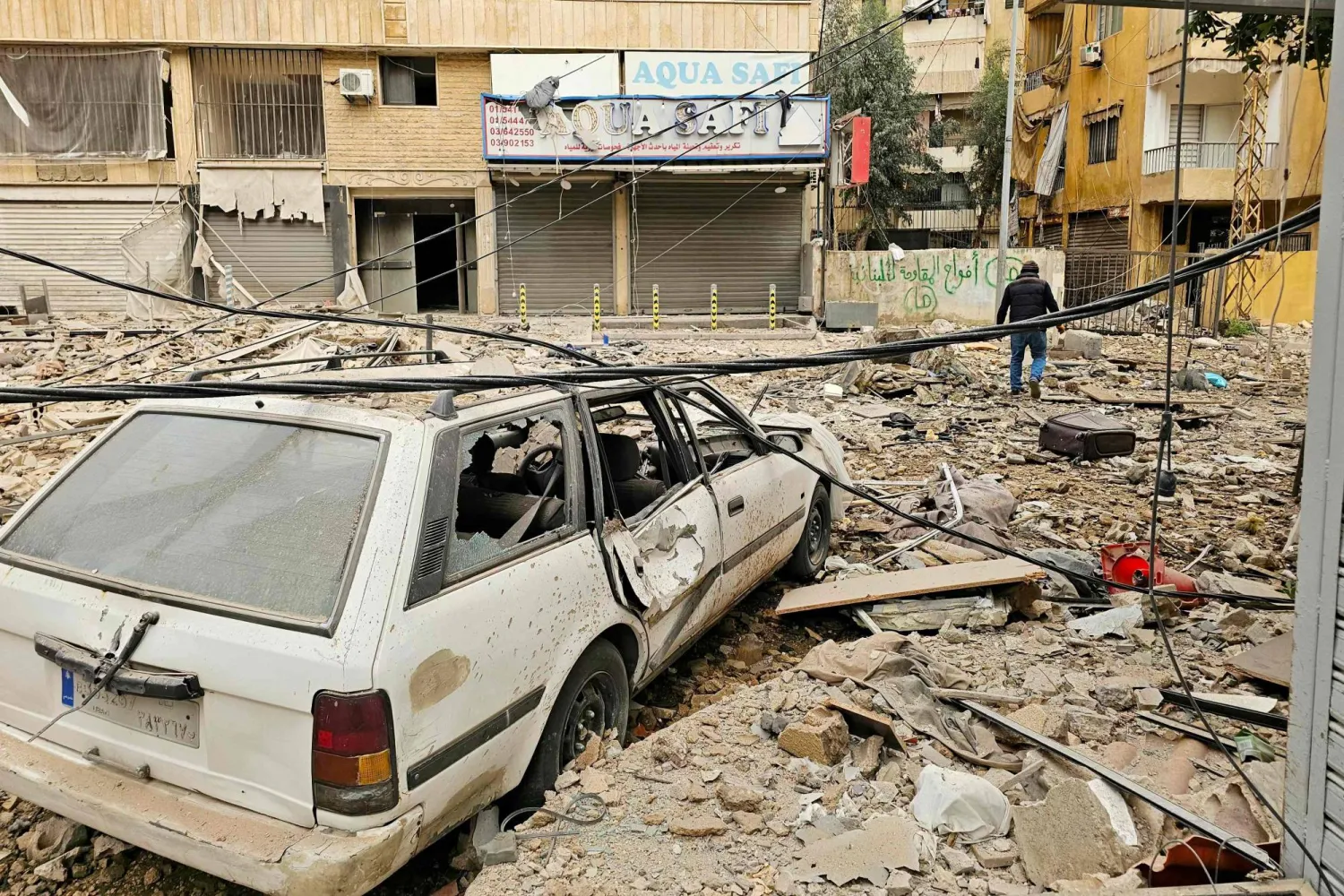
The strategic stability of the Middle East faces a critical juncture, as Spain’s Prime Minister, Pedro Sánchez, has issued a direct warning regarding the potential for Gaza-style destruction in Lebanon. Sánchez articulated his concern within the Spanish parliament, asserting that Israel’s leadership appears intent on replicating the devastation witnessed in the Gaza Strip across the broader region. This high-level diplomatic intervention underscores the escalating international apprehension about the widening conflict’s structural implications for regional peace and security.
Understanding the Systemic Critiques of Military Actions
Pedro Sánchez has precisely criticized the joint military operations executed by the United States and Israel against Iran, characterizing these actions as “an absolute disaster.” Fundamentally, Sánchez argues that powerful geopolitical actors, rather than principles of regional stability, have driven the conflict. This perspective highlights a systemic challenge to established international frameworks and necessitates a calibrated response to prevent further destabilization.

The Translation: Deconstructing Regional Destabilization
When leaders refer to “regional destabilization,” they are highlighting a critical erosion of existing geopolitical equilibria. In essence, the current escalation risks unraveling international law, fostering conditions ripe for renewed conflict in already fragile states like Iraq and Lebanon. Furthermore, this dynamic threatens to leave Gaza marginalized, metaphorically “buried under the rubble of oblivion and indifference.” This declaration by Sánchez is not merely political rhetoric; it is a structural assessment of the trajectory towards an unpredictable security environment.
The Socio-Economic Impact: Daily Life in Pakistan
Although geographically distant, the escalating Middle East conflict carries tangible implications for Pakistani citizens. A prolonged and intensified regional conflict can trigger significant spikes in global oil prices, directly impacting household budgets through increased fuel and energy costs. Consequently, inflationary pressures would rise, affecting the cost of essential goods. For students and professionals, especially those in the tech and trade sectors, this instability translates into unpredictable market conditions, potentially hindering international investment and partnership opportunities crucial for Pakistan’s economic advancement. Moreover, a volatile Middle East could strain remittance flows from Pakistani expatriates, a vital component of the nation’s economy, thus affecting families in both urban and rural areas.

The Forward Path: A Strategic Stabilization Move
From a “Next Gen” perspective, this diplomatic intervention by Spain represents a Stabilization Move rather than a momentum shift. Sánchez’s warning serves as a critical baseline recalibration, aiming to arrest a dangerous trajectory towards broader conflict. It is a strategic effort to reassert the primacy of international law and prevent further structural damage to regional security architecture. The articulation of such concerns by a European leader provides crucial external pressure, essential for encouraging de-escalation and fostering conditions for a more sustainable peace process.

Calibrating International Law and Humanitarian Baselines
The remarks by Prime Minister Sánchez reflect a growing consensus within Europe concerning the escalating regional conflict and its profound humanitarian and geopolitical consequences. Specifically, this criticism targets the perceived erosion of international legal frameworks. The international community, therefore, must develop a calibrated strategy to enforce these baselines. Such a strategy would aim to prevent any further escalation that could lead to widespread human suffering and undermine the structural integrity of global peace efforts. This requires a united front to safeguard humanitarian principles and ensure accountability.