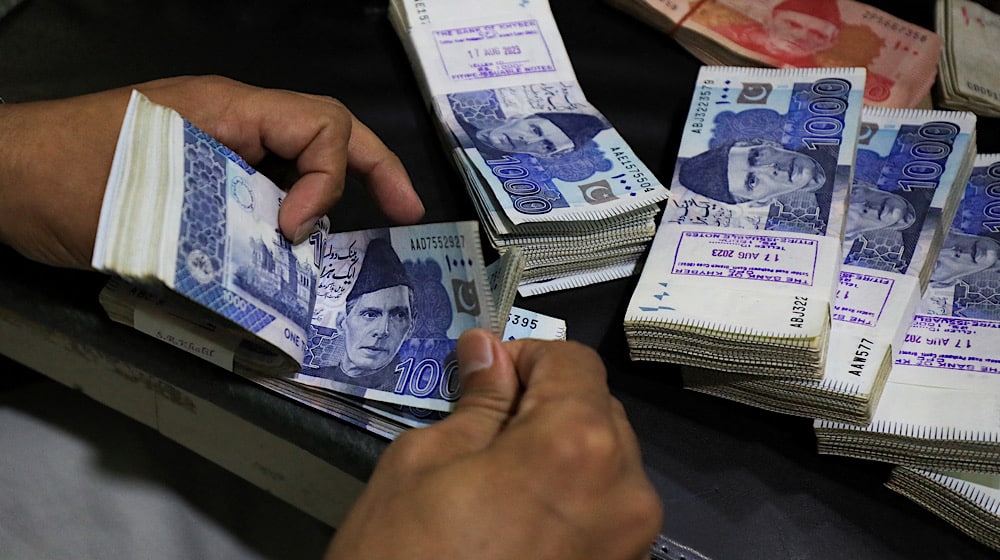
Pakistan’s financial architecture demonstrates robust investor confidence as the federal government successfully secured Rs. 118.05 billion through its 32nd Ijarah Sukuk auction. This pivotal fiscal maneuver underscores a strategic approach to national debt management and highlights the sustained trust in sovereign Islamic financial instruments. The auction witnessed substantial market engagement, a testament to the nation’s economic resilience and its appeal to diverse investment portfolios.
The Translation: Deconstructing Sovereign Sukuk Mechanics
Understanding the implications of an Ijarah Sukuk auction is critical. Fundamentally, these are Sharia-compliant financial certificates representing ownership in tangible assets, where the issuer (the government) leases the asset back from the Sukuk holders and pays rent. This mechanism allows the government to raise capital without resorting to interest-based borrowing, aligning with Islamic finance principles. During the recent auction, bids reached an impressive Rs. 445.49 billion, indicative of profound market liquidity. Consequently, despite this heavy participation, the government adopted a precisely calibrated pricing strategy, accepting a limited portion of the bids to optimize fiscal responsibility. Meezan Bank, a key institutional player, served as the lead joint financial adviser, ensuring the transaction’s structural integrity.

Yields and Market Dynamics
Detailed analysis of the auction results reveals discerning investor behavior. Both short-term and medium-term papers experienced solid demand. Specifically, the one-year Sukuk was accepted at a yield of 11.4999 percent. Furthermore, the five-year fixed rental paper cleared at 11.75 percent, reflecting stable long-term investment appetite. There was also notable interest in the 10-year variable rental Sukuk, signaling diverse preferences among market participants. These figures confirm that while Islamic liquidity remains strong, investors are increasingly selective. This strategic caution is largely attributable to evolving expectations regarding interest rate trajectories, necessitating a more dynamic engagement with sovereign debt instruments.
The Socio-Economic Impact: Calibrated Stability for Citizens
How does the success of an Ijarah Sukuk auction directly influence the daily life of a Pakistani citizen? The funds raised, Rs. 118.05 billion, are critical for maintaining fiscal stability and financing crucial government projects. For urban households, this translates into continued investment in infrastructure development, potentially improving transportation networks and public services. In rural Pakistan, these funds can support agricultural initiatives, energy projects, and educational reforms, fostering incremental economic growth. Professionals and students benefit from a stable economic environment, which encourages job creation and sustained educational opportunities. Therefore, this strategic fundraising operation is not merely a financial statistic; it represents a baseline for continued national advancement and systemic efficiency.
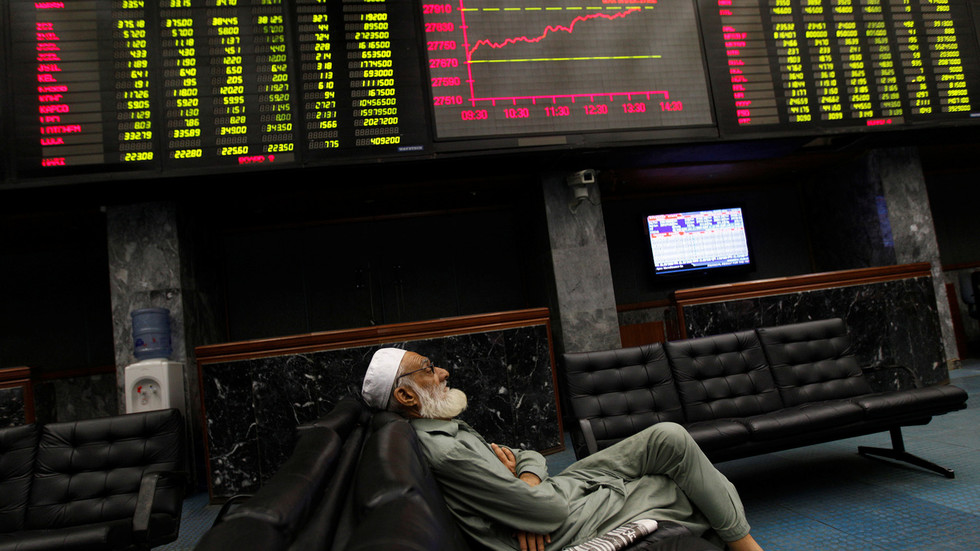
The Forward Path: A Stabilization Move for Progressive Momentum
This latest Ijarah Sukuk auction unequivocally represents a “Stabilization Move.” While the substantial oversubscription demonstrates underlying market confidence and robust Islamic liquidity, the government’s cautious acceptance of bids and selective pricing approach signify a disciplined fiscal strategy. This is not a sudden momentum shift, but rather a deliberate calibration designed to fortify Pakistan’s financial foundations. Consequently, by securing vital funding while prudently managing liabilities, the nation positions itself for sustainable progress. This strategic stabilization is a prerequisite for generating future economic momentum, ensuring that foundational strength supports subsequent growth initiatives. It reinforces a structural commitment to fiscal discipline and investor trust.