
The Alarming Rise of QR Phishing Attacks in 2025
A recent report reveals a startling fivefold increase in QR phishing attacks during 2025. This dramatic surge signifies a critical evolution in cybercriminal strategies. Attackers are increasingly exploiting QR codes, which are now common in daily life, to bypass traditional security measures. Consequently, their misuse by phishers poses a significant threat to both individuals and organizations.
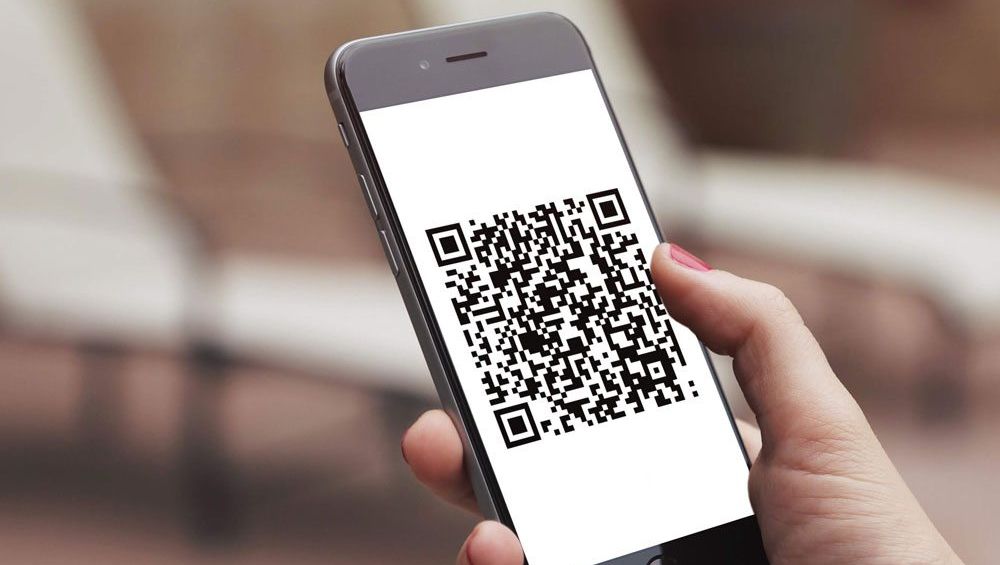
Cybersecurity experts observe a sharp rise in malicious QR codes found in phishing emails. This trend highlights how quickly attackers adapt to new evasion techniques. Therefore, there’s an urgent need for enhanced awareness and robust protective solutions to counter this evolving threat landscape effectively.
Understanding Quishing: How QR Phishing Works
QR phishing, often called “Quishing,” exploits the convenience and perceived legitimacy of QR codes. Attackers embed harmful URLs within these codes. When scanned, victims are redirected to deceptive websites. These sites are specifically designed to harvest credentials or install malware.
Crucially, these embedded links often evade standard email security filters. This allows phishing attempts to bypass initial detection. You will typically find these malicious QR codes in two forms. They are either directly in email bodies or, more commonly, hidden within PDF attachments. This method cleverly conceals the link and encourages mobile scanning.

Furthermore, mobile devices are frequently used for convenience. Yet, they often have less stringent security protocols compared to corporate workstations. Thus, they become prime targets for these sophisticated quishing scams.
Common Tactics in QR Phishing Attacks
Malicious QR codes appear in both mass phishing campaigns and highly targeted attacks. They exploit various human vulnerabilities and business communications. Here are some common scenarios:
- Fake Login Pages: QR codes lead to fraudulent login pages. These impersonate popular services like banking portals or internal corporate systems. Their goal is to steal usernames and passwords.
- Deceptive HR Notifications: Phishing attempts disguise themselves as urgent HR communications. Examples include requests to review vacation schedules or sign “important” documents. Scanning the QR code directs victims to credential-stealing sites.
- Fraudulent Invoices: Attackers send fake invoices or purchase confirmations, often in PDF attachments, with an embedded QR code. These might combine with vishing, urging victims to call a number for “cancellation” or “clarification.” Subsequently, this leads to further social engineering and data extraction.

Ultimately, these tactics exploit the trust users place in routine business communications. Consequently, they become highly effective for credential theft, account takeovers, and financial fraud.
Why the Explosive Growth of QR Phishing in 2025?
The dramatic fivefold increase in QR phishing attacks in 2025 is a calculated shift by cybercriminals. Traditional email security measures often struggle against threats embedded within images and PDF files. These file types are the primary carriers of malicious QR codes. Therefore, this technological loophole offers attackers a low-cost, high-yield evasion technique.

Moreover, reliance on mobile devices for both personal and professional tasks has grown significantly. Many organizations still lack comprehensive security solutions for smartphones and tablets. This leaves these endpoints vulnerable. Compared to more protected desktop computers, mobile devices are easier targets. Attackers can thus target employees on their mobile devices, where vigilance may be lower.
Protect Yourself from QR Phishing Attacks: Individual Strategies
Individual vigilance remains paramount against this escalating threat. Employ these key strategies to prevent QR code phishing:
- Verify Authenticity: Be suspicious of unexpected QR codes. This is especially true if they arrive via email or from unfamiliar sources. Always try to verify the sender and context before scanning.
- Inspect the URL: Many modern QR code scanners preview the URL. Always check the destination for suspicious characters, misspellings, or domain inconsistencies.
- Use Trusted Scanners: Choose QR code scanner apps that include built-in security features. These often perform URL reputation checks, adding an extra layer of safety.
- Think Before You Scan: If an offer seems too good to be true, it probably is. Exercise extreme caution. This applies particularly when a QR code asks for personal information or login credentials.
Fortifying Defenses Against QR Phishing Attacks: Organizational Approaches
Organizations must adopt a multi-layered security strategy. This is crucial for defending against QR phishing attacks. It involves both technological solutions and employee education:
- Advanced Mail Server Security: Implement robust anti-spam and anti-phishing solutions. These should include advanced image analysis at the email gateway. This helps detect and block malicious QR codes embedded in various file types.
- Endpoint Protection for Mobile Devices: Extend comprehensive security solutions to smartphones and tablets. Ensure mobile endpoints are as protected as desktop systems.
- Comprehensive Security Awareness Training: Regularly educate employees about QR code phishing risks. Cover common attack vectors and best practices for identifying suspicious communications. Establish clear protocols for handling unexpected QR codes.
- Incident Response Plan: Maintain a well-defined incident response plan. This allows for quick addressing and mitigation of successful phishing attempts.

Conclusion: Boosting Cybersecurity Vigilance Against QR Phishing Attacks
The fivefold surge in QR phishing attacks in 2025 clearly demonstrates the evolving nature of cyber threats. Attackers are becoming more sophisticated. They leverage seemingly harmless technologies like QR codes to bypass security and exploit human trust. Therefore, individuals and organizations must remain vigilant. By understanding these attack mechanics, adopting robust security practices, and prioritizing continuous education, we can build stronger defenses against this growing digital security threat.








