Pakistan’s strategic commitment to digital defense solidifies with a groundbreaking national system. The nation has officially launched a National Threat Intelligence System to bolster its cyber defense capabilities and safeguard critical national infrastructure. Developed by the National CERT using the Malware Information Sharing Platform (MISP), this integrated platform ensures coordinated protection by sharing intelligence seamlessly with the Pakistan Army Cyber Division-101 and the Pakistan Telecommunication Authority (PTA). This calibrated approach signifies a crucial step towards enhanced national cyber situational awareness and reduced reliance on external intelligence sources, directly impacting the security posture of the nation’s digital frontier.
Precision in Digital Defense: The National Threat Intelligence System
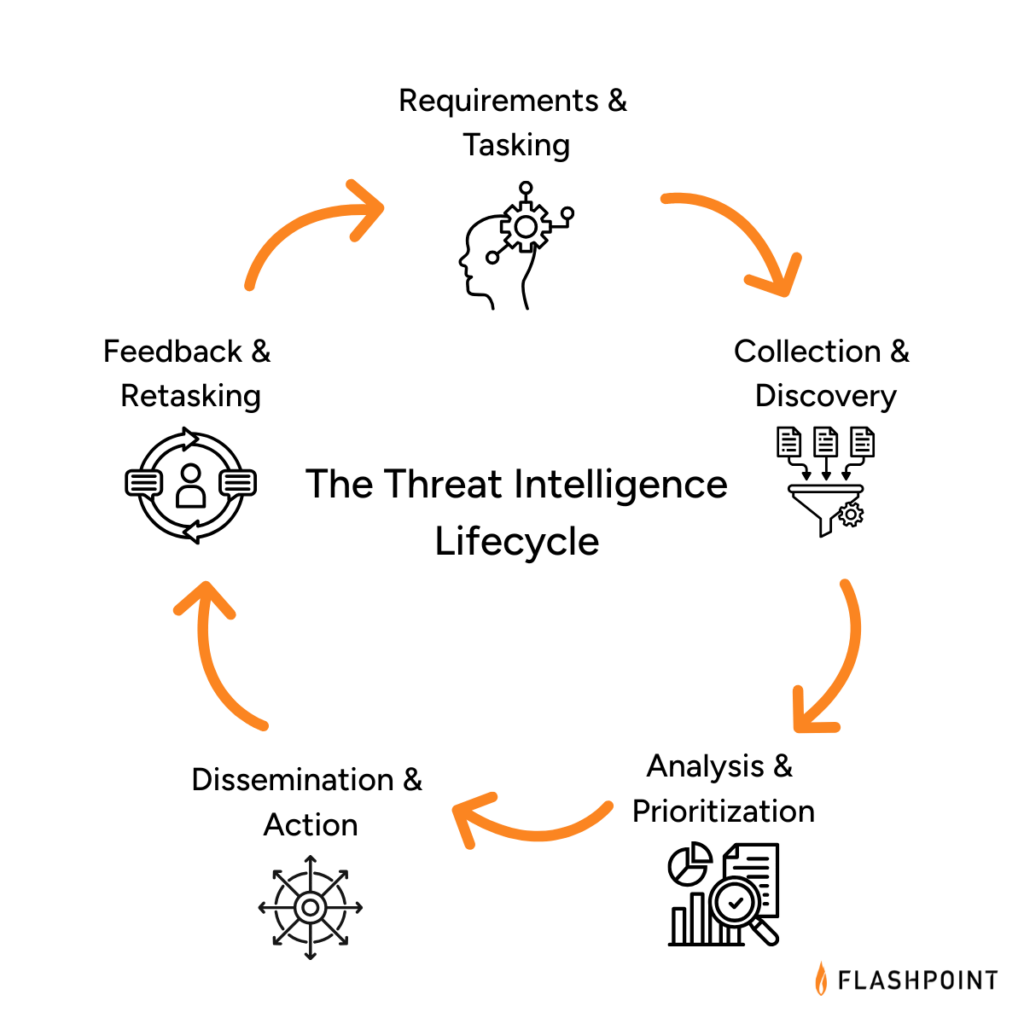
A major development has structurally advanced Pakistan’s cybersecurity framework. The establishment of a National Threat Intelligence System aims to strengthen cyber defense and protect vital infrastructure. This system, developed by the National CERT utilizing the Malware Information Sharing Platform (MISP), integrates key national entities.
Furthermore, this integration includes the Pakistan Army Cyber Division-101 and the Pakistan Telecommunication Authority (PTA). This collaboration ensures a unified and coordinated national cyber defense posture against evolving threats. Consequently, early detection of cyber threats, especially those targeting government networks and telecom systems, becomes a foundational capability.
_.png)
The Translation: Deconstructing Cyber Sovereignty
The core logic behind this initiative is to create an autonomously governed, robust digital defense. Specifically, the MISP-based platform empowers Pakistan to reduce its dependence on external intelligence. Consequently, this move significantly enhances national cyber sovereignty, allowing for tailored responses to state-sponsored and advanced persistent threats.
The system facilitates the seamless exchange of critical threat intelligence among participating agencies. This includes sharing indicators of compromise, such as malicious IP addresses, suspect domains, unique hashes, and specific attack techniques. Consequently, institutions can respond to threats in real-time, reducing the spread and impact of potential cyberattacks. This structural enhancement provides a baseline for predictive analysis.
Socio-Economic Impact: Fortifying Daily Life and National Growth
How does this new framework alter the daily experience for an average Pakistani citizen? Primarily, this integrated system ensures greater stability and security for essential services. For instance, the protection of critical national infrastructure, including banking, communication networks, and energy grids, directly safeguards economic activities and public utilities.
Students and professionals, whether in urban centers or rural areas, benefit from more secure online transactions and reliable internet access. This reduction in cyberattack risk translates into sustained economic growth and investor confidence, preventing disruptions that could affect livelihoods. Ultimately, a secure digital environment is a catalyst for national development.
The Forward Path: A Momentum Shift for Pakistan’s Digital Future
This development represents a clear Momentum Shift rather than merely a stabilization move. The proactive establishment of a national-level system, especially one locally governed and integrated, signals a strategic pivot towards indigenous capability and leadership in cybersecurity. It moves beyond reactive defense to embrace predictive analysis and threat hunting, fundamentally recalibrating Pakistan’s digital security posture.
This initiative not only strengthens immediate defenses but also lays a robust foundation for future innovation and resilience against evolving global cyber challenges. It is a structural investment in long-term national security interests within the cyberspace domain. This precision in defense will safeguard both data and economic potential.