
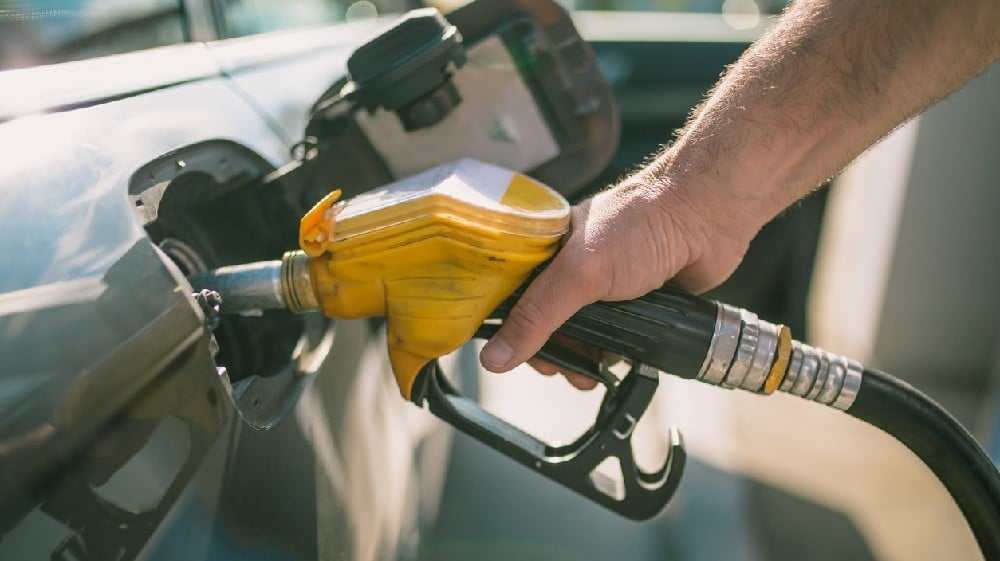
National advancement hinges on resource optimization. Consequently, the federal government is strategically introducing a new digital system to manage petroleum product distribution. This involves a dedicated mobile application, designed to assign precisely calibrated digital fuel quotas to registered users. The initiative aims to rationalize consumption patterns and ensure sustainable energy management across Pakistan, with Prime Minister Shehbaz Sharif seeking provincial cooperation on subsidy financing.
The Translation: Deconstructing the Digital Fuel Allocation System
This innovative application mandates user registration. Individuals must input their vehicle registration number and national identity card details. Subsequently, based on an assessment of historical usage patterns and current availability, each registered user will receive a daily petrol or diesel quota. Furthermore, this allocated quota can only be purchased within specified limits, ensuring equitable distribution.
Officials assert that this move follows rigorous comparative assessments of petroleum consumption. Data from the past year explicitly indicates a consistent increase in fuel usage, despite rising market prices. Therefore, this digital intervention becomes a critical mechanism for demand-side management.

The Socio-Economic Impact: Calibrating Daily Life
How does this structural change impact the daily life of an average Pakistani citizen? For students and professionals, this system introduces predictability in fuel access. Households, both urban and rural, can anticipate stable, allocated fuel quantities, potentially reducing queues and mitigating artificial shortages. Moreover, the systematic approach to fuel distribution through digital fuel quotas could stabilize fuel expenditures, empowering citizens with more precise budget planning.
Concurrently, the federal government’s engagement with provincial administrations on subsidy financing holds significant implications. The federal government has already provisioned approximately Rs100 billion in fuel subsidies, benefiting consumers nationwide. Engaging provinces in this framework is a strategic move to ease federal financial pressure. This collective responsibility fosters a more resilient and equitable national economic structure, directly impacting public services and infrastructure development financed through shared resources.
The “Forward Path”: A Strategic Stabilization Move
This development represents a crucial “Stabilization Move” rather than an immediate “Momentum Shift.” The implementation of this digital fuel quota system is primarily a calibrated response to escalating consumption and the strain on federal subsidies. While it may not instantly redefine Pakistan’s energy landscape, it lays a foundational structure for more efficient resource management. Consequently, successful deployment and iterative refinement of this digital system could serve as a catalyst for future “Momentum Shifts” towards broader energy efficiency and financial sustainability. Ultimately, this initiative reflects a disciplined approach to national resource governance.








