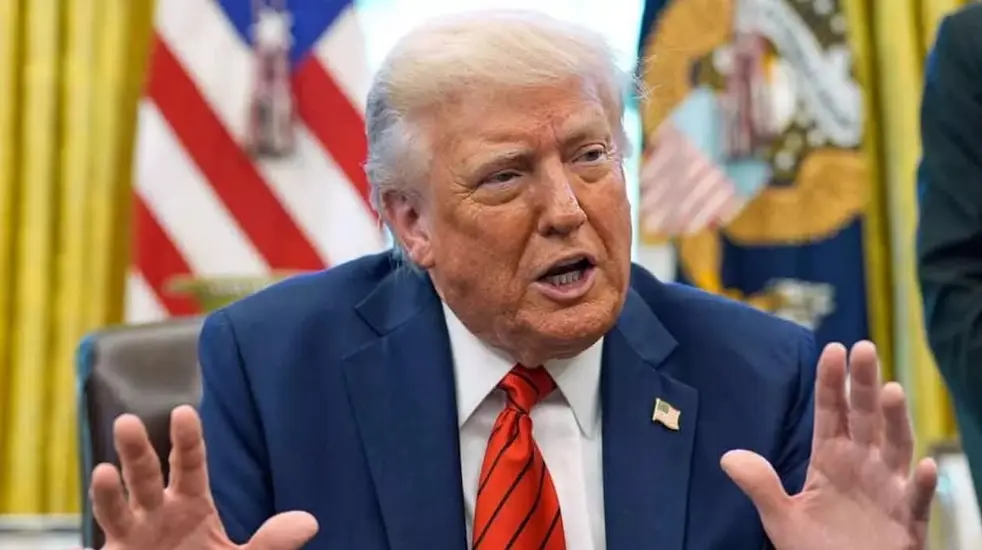
In a significant geopolitical development, former US President Donald Trump has amplified Prime Minister Shehbaz Sharif’s offer for Islamabad to host potential Pakistan US Iran talks. This strategic diplomatic move positions Pakistan as a pivotal facilitator for peace, aiming to de-escalate persistent regional tensions. The proposal, initially articulated by PM Shehbaz on X (formerly Twitter), confirms Pakistan’s readiness to facilitate “meaningful and conclusive talks” for a comprehensive peace settlement, pending approvals from Washington and Tehran.
The Translation: Deciphering Pakistan’s Diplomatic Initiative
A Calibrated Offer for Regional Stability
Prime Minister Shehbaz Sharif’s overture signifies a proactive stance in international diplomacy. The offer to mediate between the United States and Iran is not merely a symbolic gesture; it is a structural play to leverage Pakistan’s strategic location and historical relationships. Furthermore, Trump’s decision to share this message, without direct commentary, implies a baseline receptiveness within certain US political circles towards diplomatic channels, potentially including those facilitated by third parties. Consequently, this development moves beyond mere conjecture, indicating a calibrated exploration of indirect communications regarding the Iran conflict.
Critically, while Islamabad has emerged as a suggested venue, formal talks remain unconfirmed. Iran has yet to officially consent to participation, meaning this initiative resides within the sphere of diplomatic backchannel discussions. Nevertheless, Pakistan’s consistent advocacy for peaceful resolution positions it as a credible actor in fostering global stability.
Socio-Economic Impact: Calibrating Pakistan’s Global Stature
How Diplomacy Shapes Daily Life for Pakistani Citizens
A successful mediation effort could significantly alter Pakistan’s international perception, potentially attracting greater foreign investment and fostering robust economic partnerships. For students, this translates into expanded opportunities for international collaborations and academic exchanges as Pakistan’s global standing elevates. Professionals in urban centers could experience a positive shift in business confidence and trade relations, bolstering job markets.
In rural Pakistan, enhanced regional stability reduces the geopolitical risks that often impede development projects and foreign aid, potentially improving infrastructure and livelihood programs. Moreover, a reduction in regional tensions often leads to more stable energy markets, directly impacting household budgets through consistent fuel and electricity prices. Ultimately, Pakistan’s strategic engagement on the global stage offers tangible benefits, catalyzing improvements across various facets of daily life for its citizens.
The Forward Path: Momentum Shift or Stabilization Move?
Assessing Pakistan’s Role in Global De-escalation
This development represents a Momentum Shift. Pakistan is not simply reacting to regional events; it is actively shaping the diplomatic landscape. By offering to host these critical discussions, Islamabad positions itself as a proactive architect of peace, moving beyond a purely reactive stabilization role. This initiative demonstrates a structural commitment to de-escalation, aiming to foster an environment conducive to long-term stability rather than merely managing immediate crises. Therefore, it reflects a decisive step towards cementing Pakistan’s integral role in broader international security frameworks.