Precision in Progress: Addressing Pakistan’s Water Crisis
Pakistan faces a critical hydrological challenge, marking a pivot from water stress to absolute scarcity. The nation’s per capita water availability has sharply declined to approximately 660 cubic meters as of 2026, a substantial reduction from 5,000 cubic meters at independence. This precipitous drop underscores the urgency of addressing the Pakistan water crisis with calibrated, systemic interventions.
The Translation: Deconstructing the Hydrological Deficit
The current reality dictates roughly 1,800 liters of water per person daily for all uses. However, an average Pakistani requires 2,500-3,500 liters merely to sustain a 2,100 calorie diet. Consequently, over 40% of Pakistani children under five exhibit stunted growth, a direct consequence of this caloric and hydrological deficit. Furthermore, international standards mandate about 150 liters of water per person daily for essential needs like hygiene and drinking. In stark contrast, over half of Pakistan’s population accesses only 30-50 liters, exacerbating public health and sanitation challenges.
The Socio-Economic Impact: Daily Life Under Pressure
This escalating water scarcity profoundly impacts daily life across urban and rural Pakistan. Households face rationing, while professionals and students encounter compromised health and reduced economic opportunities. Critical infrastructure, including health and job-providing industries, operates under immense strain due to insufficient water resources. This systemic stress impedes overall national development and productivity, necessitating immediate, strategic responses.
Structural Imperatives: Understanding Pakistan’s Water Crisis Roots
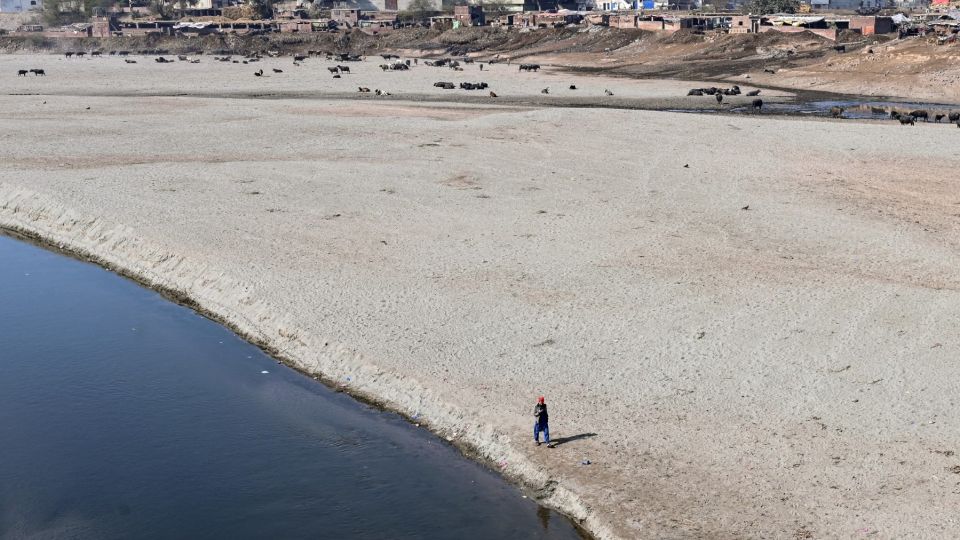
The Pakistan water crisis stems from a confluence of factors beyond climate change. Systemic mismanagement and inadequate infrastructure constitute equally devastating roles. Pakistan’s population has now surpassed 240 million, imposing an unsustainable load on a water system designed for a significantly smaller demographic. Furthermore, the nation’s water storage capacity is limited to roughly 30 days, substantially below the international benchmark of 120 days. Therefore, during intense monsoon seasons, billions of dollars’ worth of water flows unutilized into the Arabian Sea, only for the country to confront drought conditions months later. This cyclical pattern demands a structural recalibration of water retention strategies.
Optimizing Water Utilization: Agriculture and Urban Systems

In the agricultural sector, the pervasive flood irrigation method remains the norm. This practice represents one of the most inefficient globally, resulting in nearly 60% water loss due to seepage and evaporation before it reaches crops. In major urban centers such as Karachi and Lahore, groundwater tables are receding by over a meter annually. This accelerated depletion occurs as residents and industries pump water faster than natural recharge rates. Precision in water resource management is critically overdue across all sectors.
The Forward Path: Strategic Water Governance for Pakistan
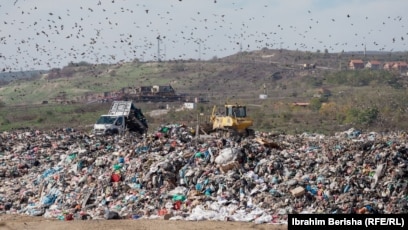
To effectively navigate this crisis, a fundamental paradigm shift is imperative: from water supply management to demand-side governance. This strategic redirection includes:
- Adopting Drip Irrigation: Minimizing agricultural water waste through targeted application.
- Lining Canals: Preventing seepage and evaporation losses across distribution networks.
- Implementing Urban Water Metering: Ensuring equitable and efficient city water distribution and accountability.
This comprehensive approach necessitates recognizing water not as an infinite gift, but as a finite resource demanding rigorous, data-driven governance. The “Voices from the Roof of the World” initiative starkly illustrates the peril of rapidly melting glaciers in the Hindu Kush-Himalayan region. These glaciers are structural pillars of our water supply, and their environmental health dictates the survival of every citizen downstream. Our current reactive strategies against climate change impacts are insufficient; a proactive, adaptive framework is critical. This development represents a Momentum Shift for Pakistan, provided we implement these structural reforms with precision and urgency, charting a course for national advancement.