
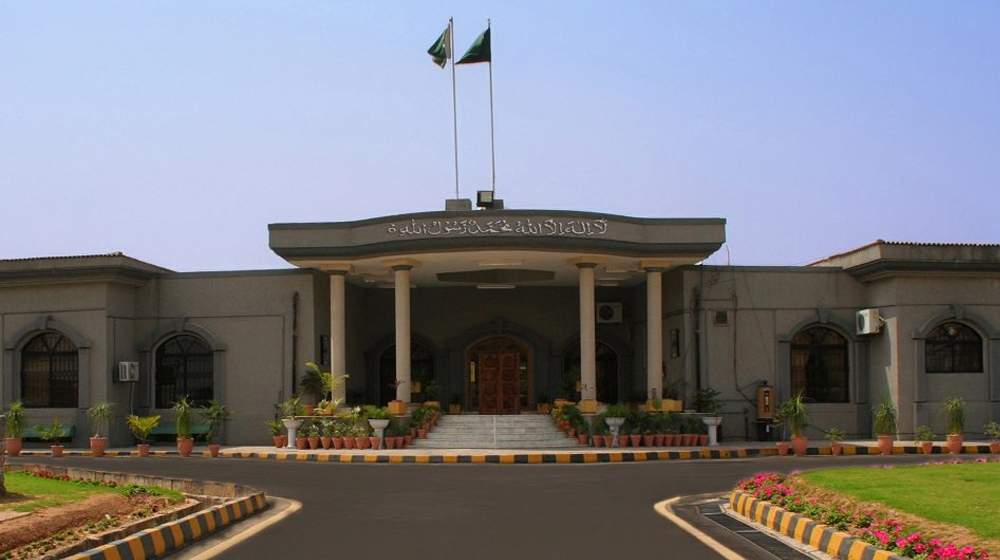
The Islamabad High Court (IHC) has issued a structural ruling, directly impacting the operational framework of government promotion rules for senior bureaucrats. This pivotal decision nullifies a policy that unjustly disqualified officers from BS-22 promotion after merely two deferrals or rejections. Consequently, this action reinforces the constitutional imperative for due process within public service, ensuring that career progression is predicated on transparent merit, rather than administrative bottlenecks or unexplained assessments. This judgment represents a strategic recalibration of bureaucratic pathways, essential for national advancement.
Optimizing Civil Service Trajectories: The Translation
Previously, a significant barrier within the civil service existed: the “Reconsideration Amendment” (SRO 255(I)/2025). This rule permanently sidelined officers from future promotion considerations following two unsuccessful attempts. The IHC precisely identified this provision as both irrational and unconstitutional. Furthermore, the court underscored that many deferrals stemmed from administrative factors. These often included incomplete service records, ongoing training assignments, or a simple lack of available vacancies. Thus, treating such systemic delays as indicators of unsuitability directly violated fundamental constitutional guarantees of due process and fair consideration.

Acknowledging Due Process Imperatives
The ruling specifically addressed petitions from seven BS-21 officers who faced promotion denials under this flawed framework. For instance, the case of M. Aamir Zulfiqar Khan from the Police Service of Pakistan revealed adverse assessments by the selection board, critically lacking any clear, evidence-based citations. In a further structural anomaly, he remained an Officer on Special Duty (OSD) without substantive responsibilities since 2023. Similarly, Owais Nauman Kundi of the Pakistan Administrative Service encountered unexplained negative remarks, despite maintaining a satisfactory service record. These instances highlight the imperative for data-driven, transparent evaluation within the public sector.
Calibrating Civil Service Progression: Socio-Economic Impact
This judicial intervention directly influences the daily lives of Pakistani citizens by fostering a more equitable and efficient public sector. When civil servants operate under clear, fair government promotion rules, their morale and productivity demonstrably improve. For students aspiring to government careers, this ruling ensures that their future professional trajectories will be based on demonstrable merit and sustained performance, rather than arbitrary administrative hurdles. Professionals currently within the civil service gain renewed assurance that their dedication and qualifications will be justly recognized, reducing stagnation and incentivizing high-performance work. Ultimately, a streamlined and fair bureaucracy translates into more effective public service delivery, directly benefiting households and urban and rural communities across Pakistan.

Enhancing Meritocracy and Professional Trajectories
The abolition of the “two-strike” rule is a catalyst for improved talent retention and professional development within the government. By removing an arbitrary disqualification, the court has structurally opened pathways for experienced and dedicated officers to ascend to leadership roles. Consequently, this prevents the loss of valuable expertise due to procedural issues. This refined system supports a baseline of fairness, enabling a more dynamic and capable public administration that can strategically address Pakistan’s complex challenges. It is a vital step toward building a more resilient and responsive governance structure.
Charting a Forward Path for Public Service: The “Forward Path”
This development undeniably represents a Momentum Shift for Pakistan’s public administration. The IHC’s ruling actively dismantles an arbitrary barrier to career progression, thereby injecting a necessary degree of fairness and predictability into the bureaucratic system. By mandating transparent criteria for promotion reconsiderations, the court is essentially recalibrating the mechanisms for talent recognition within the government. This will, therefore, foster an environment where meritocracy can genuinely flourish. This proactive judicial stance is crucial for evolving a public service capable of meeting the demands of a rapidly developing nation, moving beyond mere maintenance to genuine progress and efficiency.

Structural Reforms for Accelerated National Advancement
While the “two-strike” rule was invalidated, the court upheld another amendment. This specific provision permits Foreign Minister Ishaq Dar to chair the High Powered Selection Board (HPSB) and approved consultation with Bilawal Bhutto Zardari and Khawaja Asif. This aspect of the ruling signifies a recognition of executive discretion in high-level appointments. However, the overarching emphasis remains on ensuring that all future promotion decisions adhere to stringent, transparent criteria. This dual approach signifies a complex yet pragmatic evolution in governance.
Precision in Judicial Directives
The court’s directives were precise and actionable. It commanded the government to reconsider the petitioners’ promotion cases using transparent criteria, with any adverse findings communicated within 14 days. Furthermore, authorities were directed to assign M. Aamir Zulfiqar Khan a suitable posting within 30 days and to consider Sohail Ali Khan of the Information Group for a proforma promotion. These specific actions underscore a commitment to rectifying past injustices and establishing a baseline for equitable administrative practice, ensuring systemic efficiency.








