Architecting Stability: The Strategic Iranian Oil Sale Waiver
Global energy market dynamics directly influence national economic stability. Consequently, the United States has enacted a temporary 30-day waiver, strategically permitting the Iranian oil sale at sea. This calculated intervention aims to inject approximately 140 million barrels into global supply, thereby mitigating escalating energy prices, a direct consequence of ongoing geopolitical tensions. This decision represents a precise maneuver to stabilize international crude markets and alleviate systemic pressure.
Calibrating Global Energy: Understanding the Waiver’s Mechanism
The US President initiated this temporary measure to stabilize oil markets, which have experienced significant strain following military actions linked to US and Israeli engagements. Treasury Secretary Scott Bessent confirmed that this waiver is projected to introduce a substantial volume of oil into worldwide circulation, providing crucial relief to current supply constraints. Furthermore, this move is the third such sanctions-related waiver issued in recent weeks, underscoring a pattern of tactical adjustments.
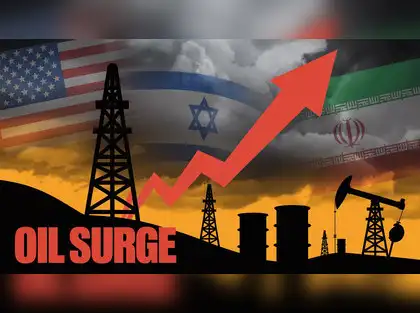
Under the terms of this temporary license, entities can purchase and transport Iranian crude oil, provided specific conditions for transaction completion or delivery are met. However, certain regions, including Cuba, North Korea, and Crimea, remain explicitly excluded from this provisional allowance. While the United States has historically avoided importing Iranian crude since the 1979 revolution, it remains uncertain if any of the oil released under this specific Iranian oil sale waiver will ultimately enter US domestic markets. Despite this temporary easing, US officials maintain that broader sanctions on Iran persist, with continued efforts to limit Tehran’s access to revenue and the global financial system.
Precision Impact: How This Oil Market Adjustment Stabilizes Pakistan’s Economy
A fluctuation in global crude oil prices directly impacts the daily lives of Pakistani citizens. Elevated international oil benchmarks translate into higher fuel costs at the pump, subsequently increasing transportation expenses for goods and services. Consequently, this fuels inflationary pressures, affecting household budgets, particularly for students managing daily commutes and families procuring essential commodities. Furthermore, Pakistan, as an oil-importing nation, faces a significant burden on its foreign exchange reserves when prices surge, impacting economic stability and development projects.

This temporary waiver, by stabilizing or potentially lowering crude prices, offers a direct fiscal reprieve. Lower international prices can reduce Pakistan’s import bill, freeing up vital capital for domestic investments in infrastructure or social programs. For professionals, this could mean more predictable operational costs for businesses, fostering a more stable economic environment. Rural households, often reliant on agricultural inputs and transport, also benefit from reduced overheads, safeguarding their livelihoods against volatile energy markets. This move, therefore, presents a critical opportunity to bolster national economic resilience.
Strategic Trajectory: Momentum Shift or Stabilization Move?
This temporary allowance, facilitating the Iranian oil sale, appears fundamentally as a stabilization move rather than a foundational momentum shift. It represents a tactical adjustment to immediate market pressures, specifically addressing the acute spike in energy prices driven by geopolitical uncertainties. While effective in the short term for supply management, it does not structurally alter the underlying dynamics of US-Iran relations or the long-term trajectory of global energy policy. The explicit reiteration of ongoing sanctions reinforces its provisional nature.
From Pakistan’s perspective, this offers a welcome, albeit temporary, reprieve from imported inflation. However, the nation’s energy security strategy must continue to prioritize diversification and domestic resource optimization, recognizing the inherent volatility of relying on external market interventions. This development underscores the imperative for calibrated energy policies that anticipate and mitigate external shocks, ensuring sustained national advancement.