The global security architecture faces unprecedented volatility, necessitating rigorous contingency planning. Consequently, the World Health Organization (WHO) has confirmed it is undertaking significant measures for WHO nuclear preparations. This strategic foresight addresses potential nuclear incidents amidst escalating geopolitical tensions, specifically concerning conflicts between US-Israel and Iran, as reported by CNN. This proactive stance ensures global health systems are calibrated for worst-case scenarios, protecting populations from immediate and long-term radiological impacts.
The Translation: Deconstructing Nuclear Preparedness

The WHO’s declaration signifies a critical pivot towards enhanced global health security. It involves maintaining heightened vigilance and activating comprehensive emergency response frameworks. These frameworks are designed to manage various worst-case scenarios, ranging from a direct nuclear strike to deliberate or accidental attacks on nuclear facilities. Furthermore, this preparedness extends beyond immediate casualty management to include robust strategies for mitigating widespread environmental contamination and safeguarding public health infrastructure.

Significantly, the organization has initiated the recalibration of internal protocols and staff guidance. This includes intensive training on responding to radiation exposure and managing the multifaceted, long-term health risks intrinsic to nuclear events. The WHO emphasizes the profound, lasting global consequences such incidents could unleash, underscoring the necessity for a unified, international response mechanism. Ultimately, this preparation builds resilience against catastrophic events.
Socio-Economic Impact: Shielding Pakistan’s Future Amidst WHO Nuclear Preparations

For Pakistan, a nation strategically positioned within a volatile region, the implications of heightened WHO nuclear preparations are considerable. While direct impact might vary, the indirect consequences on daily life for Pakistani citizens, from urban professionals to rural households, would be severe. Economic stability could face structural pressures due to disrupted trade routes and global market anxieties. Furthermore, public health systems would need to rapidly adapt, potentially straining resources if a regional incident led to widespread panic or environmental migration. Students and professionals could experience interruptions in education and career development, emphasizing the need for robust national emergency planning.

Therefore, understanding these global shifts is a baseline requirement for national resilience. Pakistan’s strategic imperative is to reinforce its own emergency response capabilities and public awareness campaigns. This protects its populace and maintains socio-economic continuity, even in the face of unprecedented global challenges. Proactive measures are critical for national advancement.
The “Forward Path”: A Stabilization Move

This development represents a clear Stabilization Move by a crucial international body. The WHO’s decision to formally announce its nuclear preparedness protocols signals a disciplined, anticipatory approach to managing systemic risks. It is not an alarmist reaction but rather a calibrated recalibration of global health security frameworks. In contrast, ongoing military strikes on Iranian targets continue to escalate concerns. While officials emphasize that no nuclear incident has yet occurred, they assert that the inherent risk cannot be strategically ignored given the sustained hostilities. This institutional preparation for WHO nuclear preparations is vital for maintaining a semblance of order and response capacity in an increasingly unpredictable world.
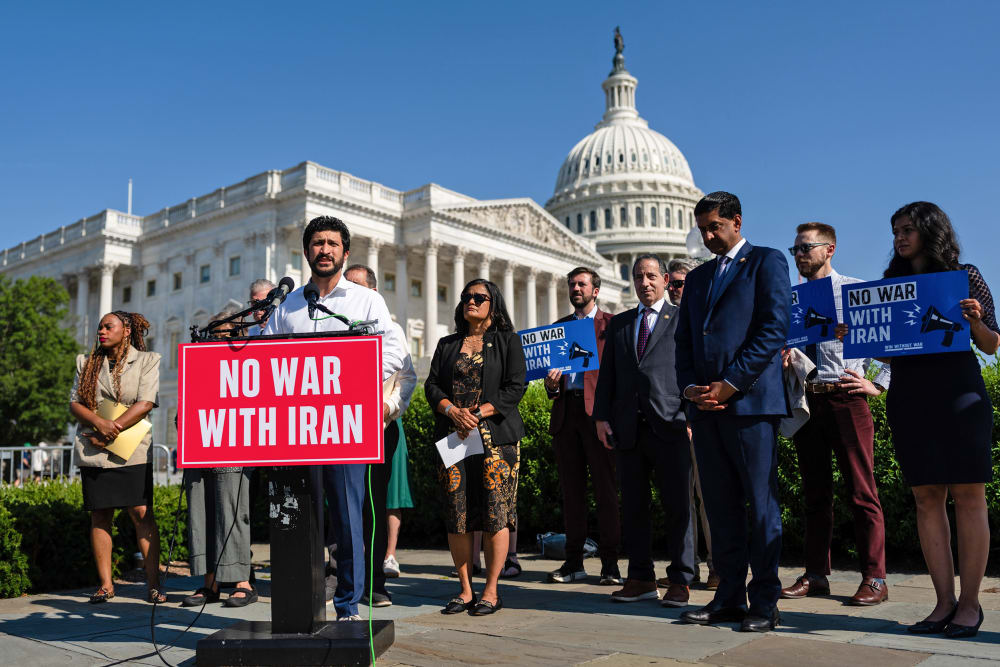
Consequently, this action provides a structural baseline for national governments, including Pakistan, to review and strengthen their own emergency readiness. It is a necessary response to a complex global challenge, aiming to build a more resilient collective infrastructure against catastrophic events. Furthermore, such transparency fosters international cooperation, which is crucial in mitigating the fallout from any potential large-scale disaster.