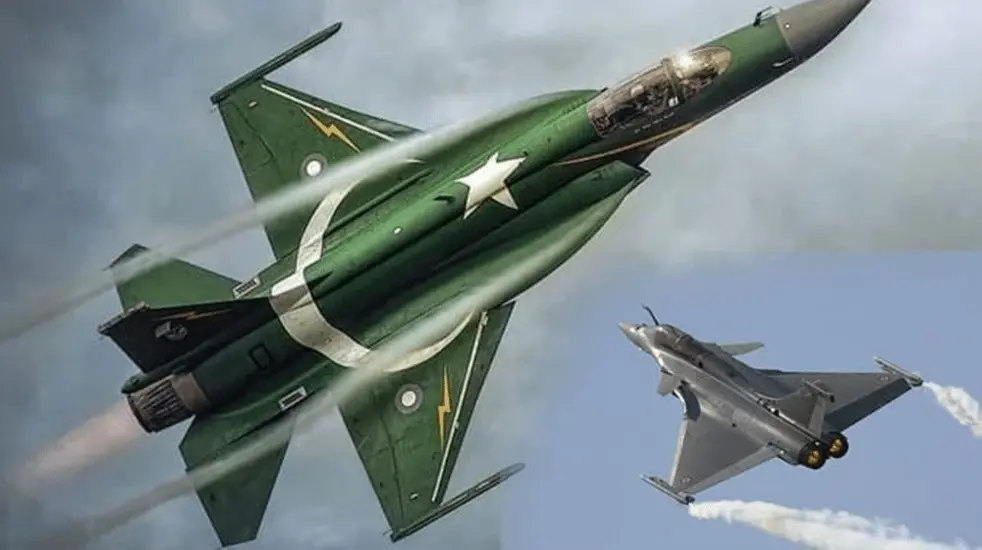
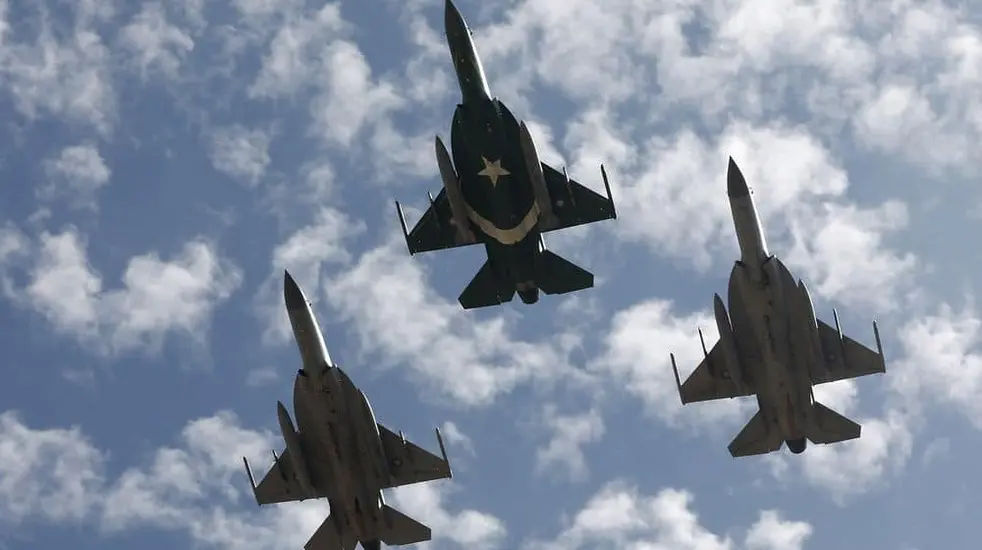
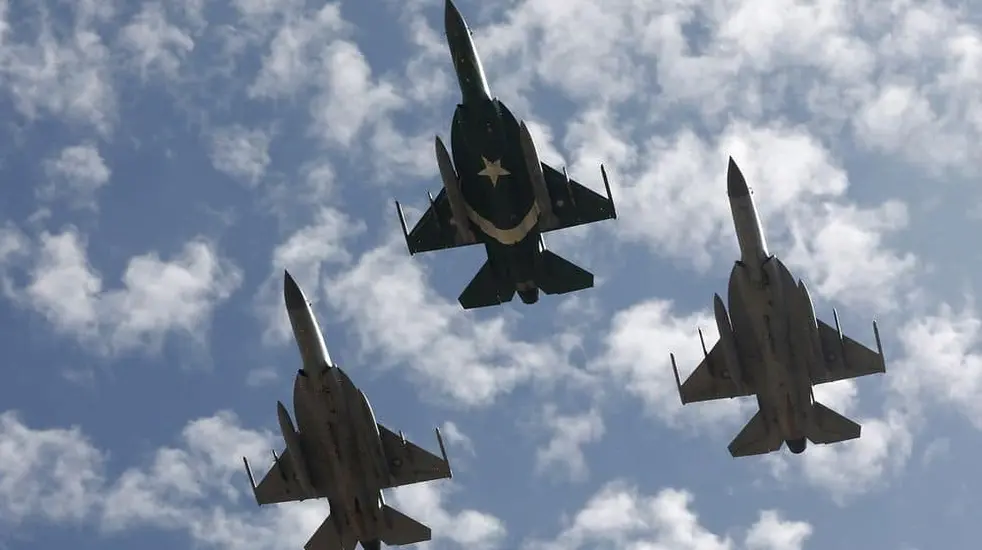
A US F-35 Iran mission culminated in an emergency landing at a Middle East air base after the stealth aircraft sustained a strike. This incident, now under investigation by US Central Command, marks a potential escalation, as Iran’s state media claims direct engagement. Consequently, this event rigorously tests regional aerial defense capabilities and strategic communication protocols.
Calibrated Response: The US F-35 Iran Mission Event
The Translation: Understanding Aerial Incident Protocols
A United States F-35 fighter jet recently performed an emergency landing at a US air base in the Middle East. This strategic maneuver followed a combat mission over Iran where the aircraft was reportedly struck. Captain Tim Hawkins, a spokesperson for US Central Command, confirmed the fifth-generation stealth aircraft landed safely, and the pilot remains in stable condition.
Furthermore, authorities have initiated a comprehensive investigation into the incident, withholding specific operational details. If substantiated, this would represent the first documented instance of Iran impacting a US aircraft since the conflict’s escalation in late February. The F-35, a formidable asset used by both the United States and Israel, boasts advanced capabilities and a cost exceeding $100 million.

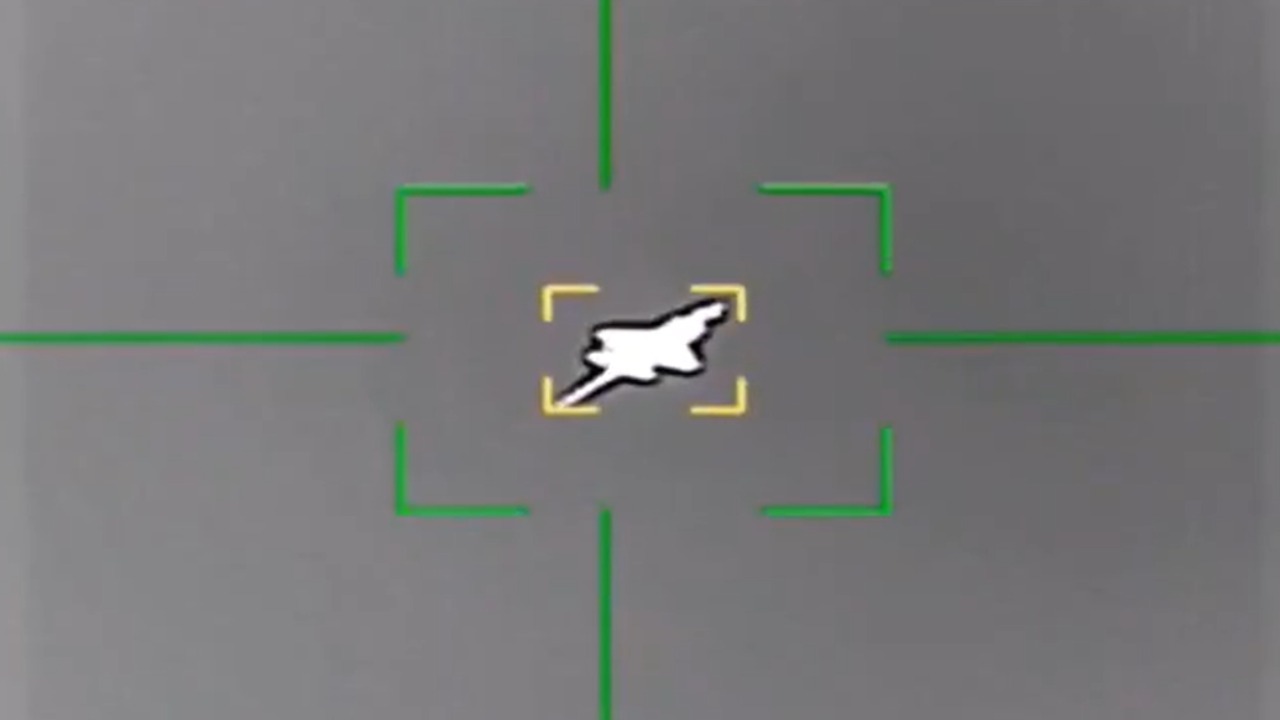
Iran’s state-run Press TV concurrently asserted that its air defenses successfully targeted and struck an American F-35 over central Iran. They released unverified footage, which they claimed depicted the strike moment. Conversely, US officials continue to articulate the successful progression of their campaign against Iran, with Defense Secretary Pete Hegseth emphasizing decisive victories and significant degradation of Iran’s air defenses. This discrepancy necessitates rigorous data verification.
The Socio-Economic Impact: Regional Stability and Innovation Trajectories
This US F-35 Iran mission incident carries significant implications for regional stability. For Pakistani citizens, such events underscore the volatile geopolitical landscape, potentially impacting trade routes and energy markets. Students and professionals within the region might observe heightened discussions around defense technologies and international relations, influencing academic and career trajectories in STEM fields.
Moreover, the focus on advanced stealth aircraft like the F-35 highlights the relentless pursuit of technological superiority. This pressure could inadvertently accelerate innovation in defense sectors across neighboring nations, including Pakistan. Subsequently, investments in indigenous defense capabilities and cybersecurity infrastructure may increase, affecting national budgets and potentially redirecting resources from other developmental areas.

The “Forward Path”: Momentum Shift or Stabilization Move?
This development represents a Stabilization Move rather than a decisive momentum shift. While the incident is significant, especially if confirmed as a direct strike, the rapid and safe emergency landing of the F-35 demonstrates robust operational protocols and pilot proficiency. The current phase appears to be one of data acquisition and calibrated assessment, designed to maintain baseline operational parameters amidst heightened tensions. Strategic precision in evaluation will determine the subsequent trajectory.