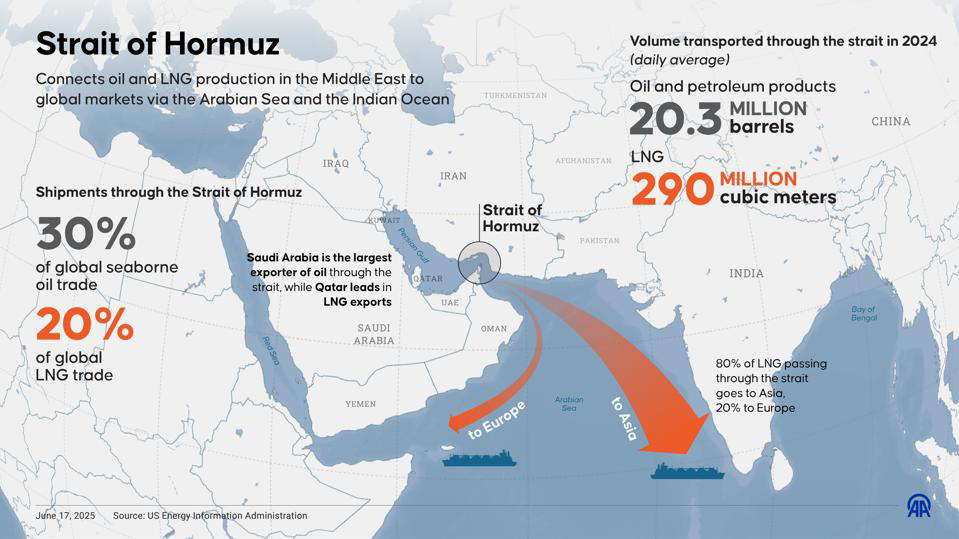
The recent strategic strikes initiated by Iran have critically impaired Qatar’s liquefied natural gas (LNG) export capacity by approximately 17%. This translates to a substantial 12.8 million tonnes per year reduction in production. Consequently, this significant Qatar LNG disruption is projected to persist for three to five years, incurring an estimated $20 billion in annual revenue losses. This unforeseen event directly triggers force majeure declarations, impacting key global buyers, notably including Pakistan. Furthermore, this development fundamentally recalibrates the baseline for regional energy stability and necessitates immediate strategic assessment.

The Translation: Calibrating the Energy Impact
Iran’s strategic assault on US bases in the Gulf region precisely targeted and damaged two critical LNG trains and one gas-to-liquids (GTL) facility. This structural impairment has consequently removed approximately 12.8 million tonnes per year from Qatar’s total production capacity. The facilities, valued at an estimated $26 billion, include assets where ExxonMobil holds significant stakes, specifically 34% in one LNG train and 30% in another. In response to this damage, QatarEnergy anticipates declaring force majeure on its long-term LNG supply agreements. This legal declaration essentially releases the company from contractual obligations due to unforeseen circumstances, affecting major energy consumers across Europe and Asia, such as Italy, Belgium, South Korea, China, and crucially, Pakistan. This action underscores the systemic impact of the strikes.

Socio-Economic Impact: Adjusting Pakistan’s Energy Trajectory
For Pakistan, this profound Qatar LNG disruption translates into tangible challenges for its energy security framework. Households and industries, particularly in urban and rural centers, rely heavily on LNG imports for power generation and industrial operations. Reduced supply from a primary source like Qatar could necessitate securing alternative, potentially more costly, energy supplies. This adjustment directly impacts the operational costs for Pakistani professionals and the living expenses for families. Furthermore, the incident is projected to disrupt other crucial energy exports from Qatar. Condensate shipments are forecast to decline by approximately 24%, while liquefied petroleum gas (LPG) output may decrease by 13%. Helium production could fall by 14%, with naphtha and sulphur output each expecting a reduction of around 6%. These cascading effects emphasize the interconnectedness of global energy markets and the direct financial implications for Pakistani citizens.

The Forward Path: A Momentum Shift in Energy Resilience
This development undeniably represents a Momentum Shift rather than a mere stabilization move. The projected three-to-five-year repair timeline signifies a prolonged period of adjusted supply baselines for global LNG consumers. For Pakistan, this mandates a strategic recalibration of its national energy diversification strategy, prioritizing domestic resource development and exploring new, reliable import corridors. The incident highlights vulnerabilities in a concentrated supply chain and provides an urgent catalyst for enhanced energy resilience planning. Furthermore, with production unable to resume until security conditions stabilize, there is no clear timeline for full recovery. Therefore, Pakistan must proactively innovate its energy portfolio to mitigate future external shocks and ensure sustained national advancement.