

A calibrated security operation in Balochistan has demonstrably prevented a significant terrorism plot foiled by apprehending a female suicide bomber in Khuzdar. Chief Minister Sarfraz Bugti confirmed this precise intervention, which averted potential catastrophic damage and safeguarded numerous lives. This successful operation underscores Pakistan’s evolving counter-terrorism strategy, prioritizing proactive intelligence and rapid response to emerging threats against national stability and citizen safety.
Structural Integrity: How a Major Terrorism Plot Was Foiled
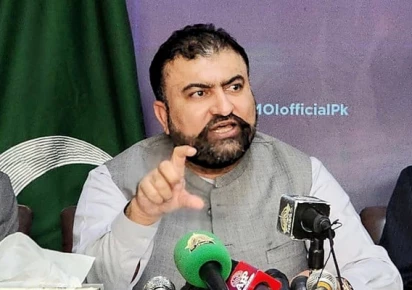
Balochistan Chief Minister Sarfraz Bugti lauded security forces for a critical operation in Khuzdar. They successfully arrested a female suicide bomber, thereby foiling a “dangerous terrorist plot.” This immediate action reflects a significant advancement in the fight against extremism within the region. The suspect’s interrogation revealed recruitment by a terrorist commander, Qazi Ibrahim, and training for a suicide mission. Furthermore, investigations linked her to a broader network through an individual identified as Diljan, indicating a structured and planned threat.
The Translation: Deconstructing the Threat Network
This incident is not merely an isolated arrest; it exposes a deeper, organized effort to destabilize the region. When Chief Minister Bugti refers to a “dangerous terrorist plot,” he highlights a calculated strategy by extremist elements. The suspect’s confession illuminates the recruitment pipeline, moving individuals from radicalization to operational readiness. Therefore, identifying key figures like Qazi Ibrahim and Diljan provides critical intelligence. This allows security agencies to dismantle the command and control structures supporting such destructive agendas.
Socio-Economic Resonance: Protecting Pakistan’s Youth from Radicalization
Chief Minister Bugti voiced concerns over an “alarming trend” of Baloch youth, particularly women, being steered towards extremist activities. Baloch people are inherently peaceful; however, certain groups are actively pushing them towards violence. This trend poses a direct threat to the socio-economic fabric of Balochistan, jeopardizing educational pursuits, professional development, and community cohesion. Consequently, protecting youth from radicalization is paramount for the province’s long-term prosperity.

The Socio-Economic Impact: Safeguarding Our Future Generations
The radicalization of youth directly impacts the daily life of a Pakistani citizen by eroding trust, fostering instability, and diverting resources from essential development projects. For students, it disrupts education. For professionals, it hinders economic growth. For households, it instills fear. Moreover, the alleged involvement of foreign powers, including India and Afghanistan-linked training camps, complicates the security baseline. This necessitates a robust national response to secure Pakistan’s future and preserve its human capital.
The Forward Path: Calibrating for National Advancement and Resilience
This successful operation represents a Momentum Shift for Pakistan’s counter-terrorism framework. Enhanced intelligence-sharing has already led to multiple successful operations, reaffirming the government’s priority of protecting lives and property. Beyond arrests, the provincial government plans strategic interventions: female police officers will handle cases involving women, and initiatives will expand education, employment opportunities, community programs. These measures aim to structurally prevent radicalization, moving beyond reactive responses to proactive resilience. Ultimately, countering online propaganda with targeted awareness campaigns will curb extremist narratives, securing a more stable digital frontier.
A Strategic Cadence for Enduring Stability
- Proactive Intelligence: Improved data fusion and inter-agency collaboration enhance threat detection.
- Gender-Responsive Policing: Female officers ensure sensitive handling of women’s cases, building trust.
- Socio-Economic Uplift: Education and employment opportunities provide alternatives to extremist ideologies.
- Community Engagement: Programs strengthen societal resilience against radicalization.
- Digital Counter-Narratives: Strategic campaigns combat online extremist propaganda effectively.








