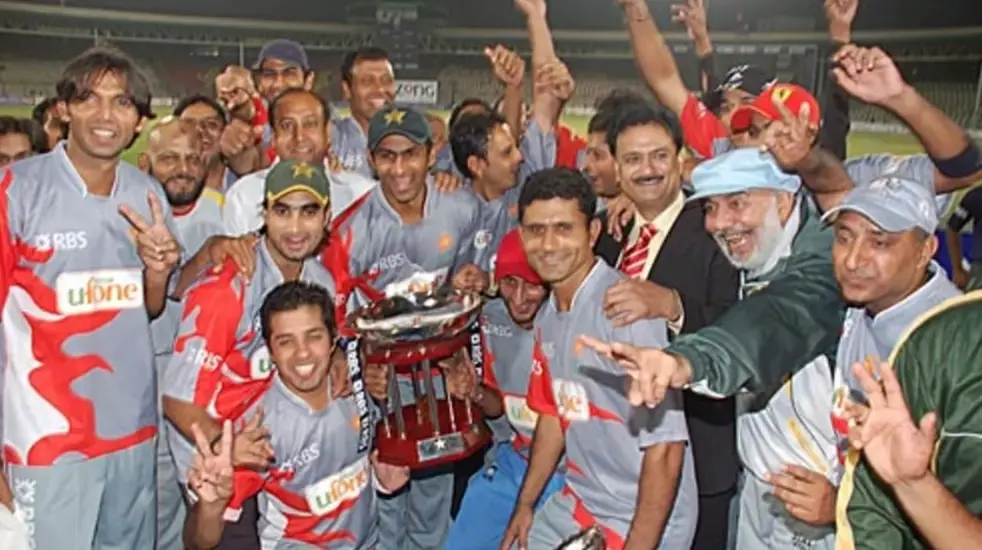
The International Hockey Federation (FIH) has released the precise schedule for the 2026 World Cup, marking a critical juncture for Pakistan’s national team. Pakistan is calibrated to commence its campaign on August 15 in Amstelveen, facing England. Furthermore, this strategic tournament entry places Pakistan in a challenging group, including an anticipated high-stakes match against arch-rivals India. This structural announcement sets the baseline for national anticipation regarding Pakistan’s performance in the upcoming Pakistan Hockey World Cup.
Understanding the Tournament Structure: The Translation
The FIH has structured the 2026 World Cup as a 16-team global competition. Initially, teams are divided into four pools, each comprising four nations. Pakistan, notably, finds itself in Pool D alongside India, England, and Wales. This initial group stage is pivotal; success here determines advancement. The logic dictates that only the top two teams from each pool progress, forming a new set of eight contenders. Consequently, every match, particularly within the group stage, serves as a critical performance metric.
Pakistan’s Calibrated Group Stage Fixtures
Pakistan’s pathway to the knockout stages is clearly defined. The team will engage in three crucial group-stage matches:
- August 15: Pakistan vs. England (Amstelveen, Netherlands)
- August 17: Pakistan vs. Wales (Amstelveen, Netherlands)
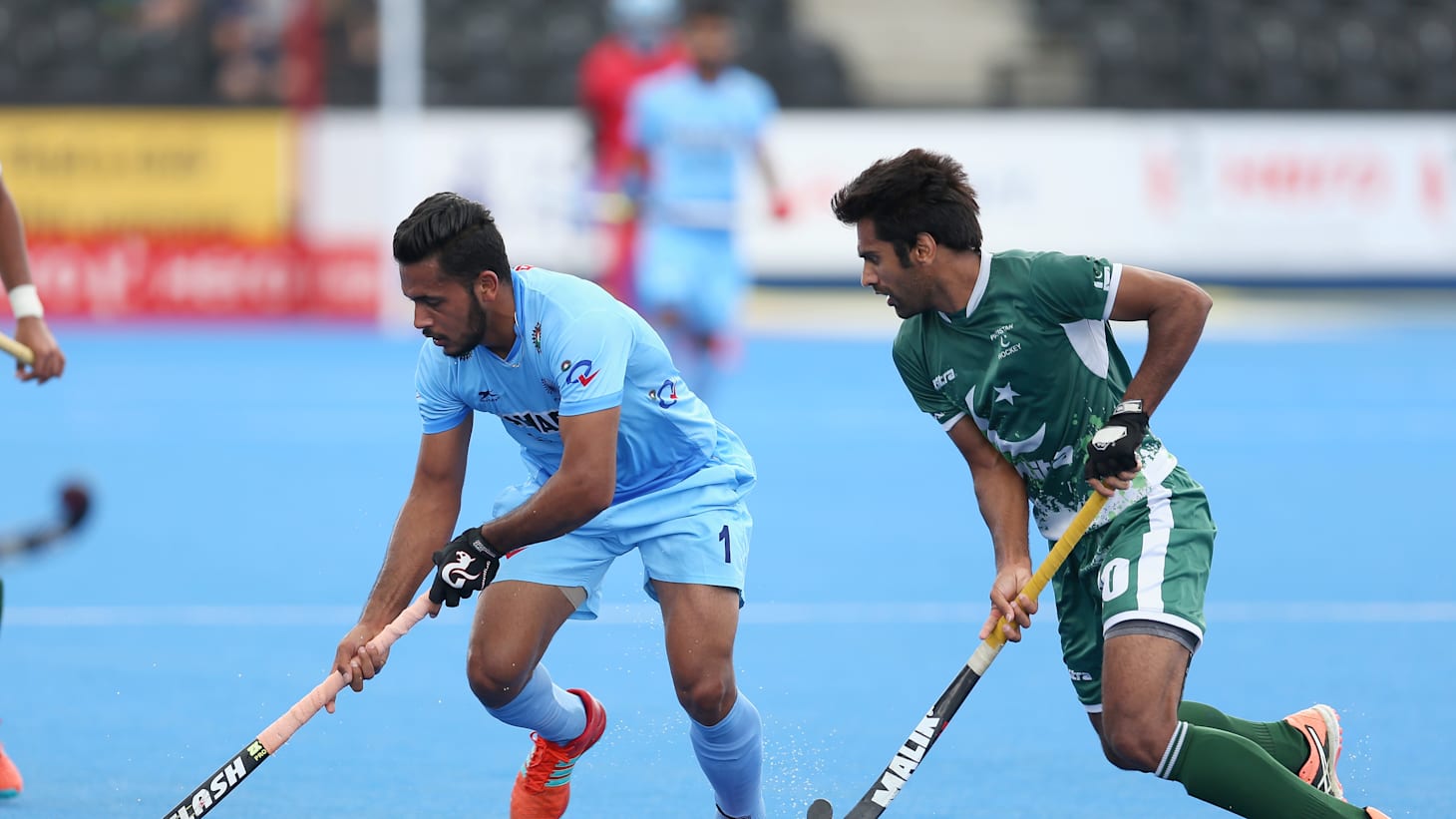
- August 19: Pakistan vs. India (Amstelveen, Netherlands)
This schedule demands peak performance from the outset. Specifically, the match against India is historically a catalyst for national interest and intensity. The results from these encounters will directly impact Pakistan’s trajectory within the tournament.
Socio-Economic Impact: What This Means for Pakistani Citizens
The Pakistan Hockey World Cup schedule carries significant socio-economic implications across the nation. For students and young athletes, these matches offer inspiration, potentially driving greater participation in sports and fostering national pride. Professionals, meanwhile, often gather to watch these high-stakes games, creating a temporary boost in social and recreational activities. In urban centers, sports bars and public viewing areas will experience increased patronage. Conversely, in rural areas, community centers and household gatherings will become focal points for collective viewing, strengthening social bonds.
Furthermore, the national team’s performance can influence public morale and unity, serving as a unifying force across diverse segments of society. A strong showing could also spur investment in sports infrastructure and youth development programs, creating long-term benefits for the nation’s athletic ecosystem. The emotional investment in the team’s success is substantial, impacting daily conversations and leisure choices.
The Forward Path: A Momentum Shift for National Hockey
This tournament schedule announcement represents a “Momentum Shift” for Pakistan hockey. The clarity of fixtures provides the national team with a precise roadmap for strategic preparation. It shifts the focus from anticipation to execution. With specific opponents and dates now established, coaching staff can implement highly targeted training regimens. This structural clarity is crucial for optimizing player conditioning and tactical development. Consequently, this development is not merely maintenance; it is a clear step towards re-establishing Pakistan’s formidable presence on the international hockey stage. The nation expects a disciplined and strategic approach to achieve competitive excellence.