
Precision Fiscal Adjustments: Understanding the Punjab Salary Deductions Structure
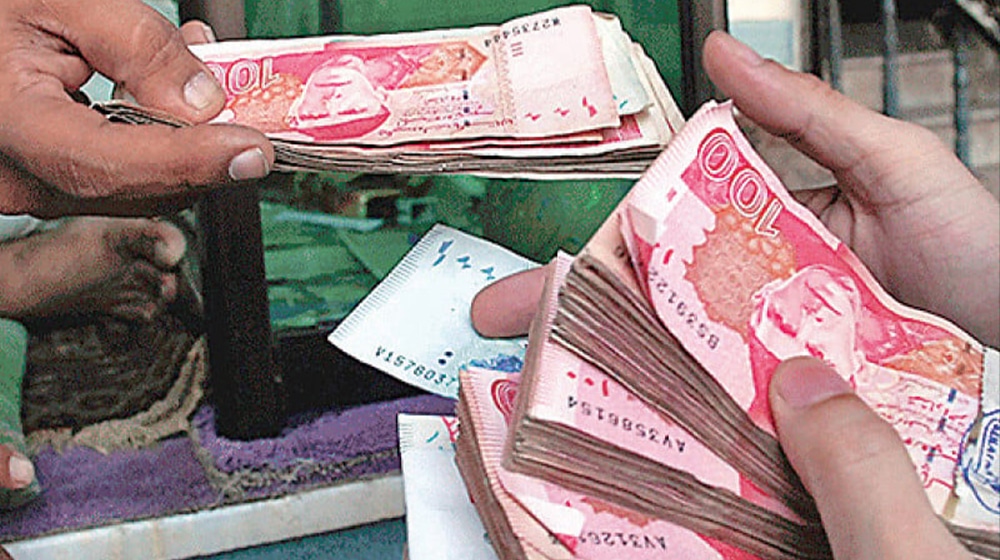
In a decisive move demonstrating fiscal discipline, the Punjab Finance Department has strategically ordered significant Punjab salary deductions for government officials and elected representatives across the province. This calibrated measure aims to bolster the Federal Government of Pakistan Emergency Fund, reflecting a structural commitment to national financial resilience during the current economic climate. Consequently, these actions signify a proactive approach to resource mobilization.
The newly issued notification specifies a tiered deduction strategy. Officers holding Grade 17 and above positions will experience a deduction equivalent to two days’ salary. This precisely allocated sum will be directly channeled into the Federal Government of Pakistan Emergency Fund, ensuring immediate financial impact and transparency.
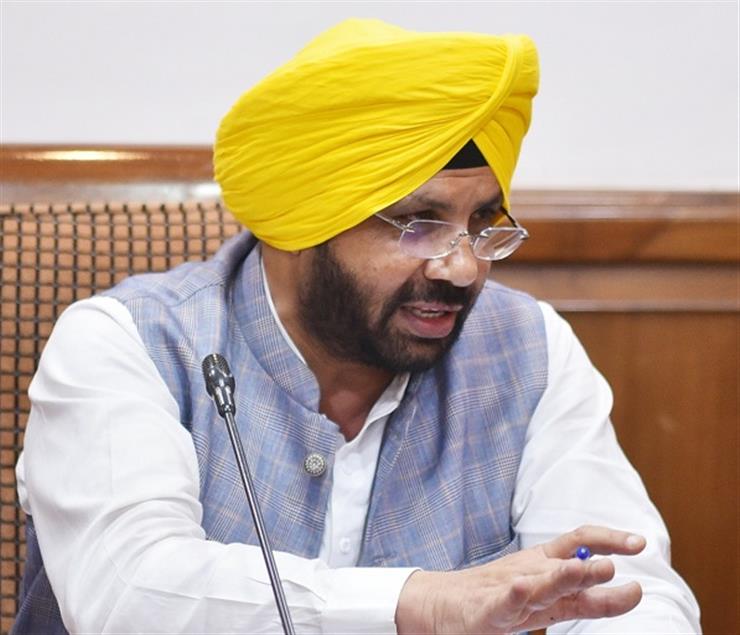
Furthermore, Chief Minister Maryam Nawaz, along with all provincial ministers, special assistants, advisers, and parliamentary secretaries, will face a more substantial two-month salary deduction. This broad-based measure underscores a collective leadership commitment to the fund. In addition, members of the Punjab Assembly will contribute by a 25% salary deduction over the same two-month period, demonstrating a unified fiscal responsibility across legislative branches.
The Translation: Deconstructing the Financial Imperative
This governmental decree represents more than mere financial adjustments; it is a structural response to Pakistan’s prevailing economic conditions. Essentially, the administration is activating an internal resource generation mechanism. Instead of solely relying on external financing or new taxation, the government is leveraging its own operational budget to create an immediate fiscal buffer. This action signifies a direct contribution from those in public service to stabilize national finances, emphasizing collective accountability.
Socio-Economic Impact: Daily Life and National Stability
How do these Punjab salary deductions impact the average Pakistani citizen? Firstly, by bolstering the emergency fund, the government gains increased flexibility to address unforeseen crises, which could range from natural disasters to public health emergencies. This enhanced preparedness directly translates into more rapid and effective responses, safeguarding the well-being of urban and rural households. Secondly, the visible commitment from leadership through salary sacrifices can foster a sense of shared responsibility and trust, potentially encouraging broader civic participation in national development initiatives. Lastly, this move might indirectly mitigate the need for more extensive austerity measures that could otherwise directly affect public services or introduce new levies on citizens.

The “Forward Path”: A Strategic Stabilization Move
This initiative represents a Stabilization Move rather than a direct Momentum Shift. While not introducing new growth paradigms, it is a critical structural action designed to secure immediate financial stability. It recalibrates existing resources to reinforce the national treasury, providing a baseline of fiscal security. This disciplined approach is essential for establishing a robust economic foundation, from which future growth strategies can launch. Thus, it prioritizes foundational strength, ensuring the system can withstand immediate pressures.








