

The operational integrity of urban centers faces critical challenges from unforeseen weather events. Consequently, Karachi recently endured a devastating episode of heavy rain, thunderstorms, and intense winds. This systemic impact resulted in at least 19 fatalities across the city on Wednesday night, underscoring the urgent need for enhanced infrastructure resilience. The most severe incident involved a building collapse in Mawachh Goth, Baldia Town, where rescue teams recovered 13 bodies, with search operations continuing for individuals still trapped.
The Translation: Decoding Urban Vulnerability
This tragic incident in Mawachh Goth, Baldia Town, highlights a critical intersection of informal settlements and extreme weather. Initially, reports suggested that many victims sought shelter in the collapsing structure from the intensifying storm. While distressing, the data indicates a majority of the deceased were individuals grappling with substance addiction. This fact illuminates a deeper societal challenge: vulnerable populations often lack access to safe, resilient infrastructure, amplifying their risk during environmental crises. Furthermore, the rapid response from Chief Minister Murad Ali Shah and local officials like Zia Lanjar and Murtaza Wahab signifies a calibrated approach to immediate disaster management, focusing resources on survivor recovery and medical aid.
The Socio-Economic Impact: Daily Life Under Duress
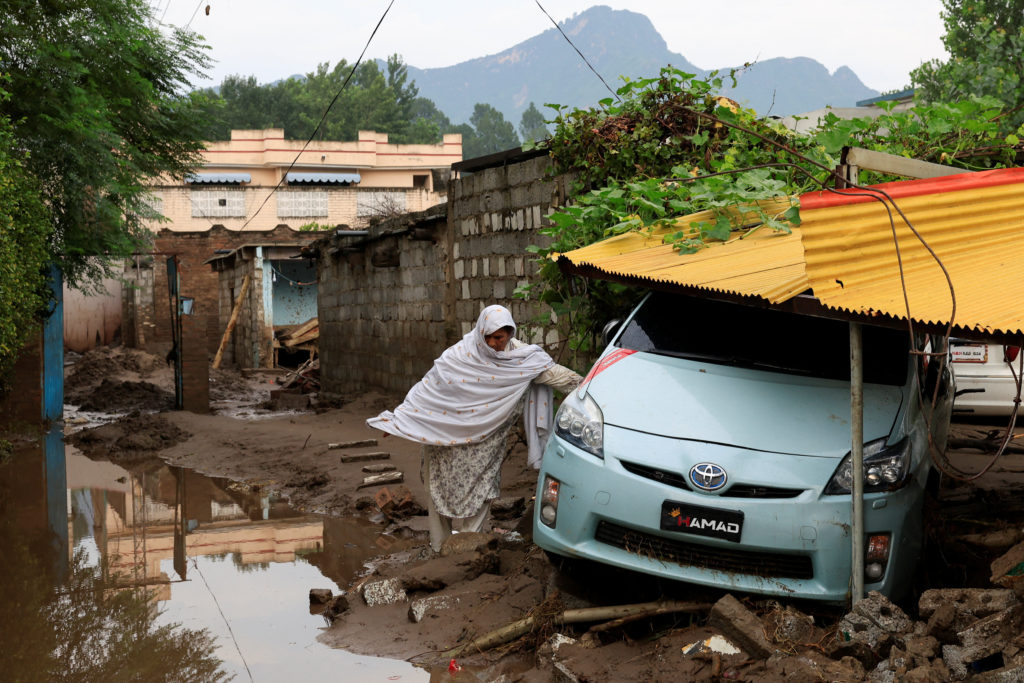
For the average Pakistani citizen, especially in Karachi’s dense urban landscape, intense weather events translate directly into heightened risk and systemic disruption. Households face imminent dangers from collapsing structures, electrocution, and hazardous debris. Furthermore, urban flooding, often exacerbated by insufficient drainage infrastructure, leads to significant economic losses, impacting daily commutes for professionals and students, disrupting local commerce, and straining public services. This recent Karachi heavy rain event witnessed several other fatal incidents:
- A wall collapse in Majeed Colony, Landhi, claimed two lives, including a woman.
- Lightning near Yaru Goth, Malir River, resulted in one fatality.
- A house roof collapse in Korangi Sector 3½ caused a woman’s death.
- A falling tree in Korangi No. 5 killed another man.
- Subsequently, seven individuals sustained injuries across various incidents, necessitating immediate medical intervention.

The “Forward Path”: Calibrating for Resilience
This recent episode represents a Stabilization Move. While immediate rescue operations are commendable, the recurring pattern of fatalities during monsoon seasons indicates a need for deeper structural reforms. The Pakistan Meteorological Department’s data, recording strong winds up to 97 km/h in Mauripur and 90 km/h on Sharea Faisal, coupled with Korangi’s 55.6mm rainfall, underscores the severity of these weather systems. Consequently, predicting more rain and thunderstorms with possible hailstorms necessitates proactive urban planning rather than reactive disaster management. A true Momentum Shift requires strategic investments in robust drainage systems, resilient housing codes, and effective early warning mechanisms. Authorities must move beyond mere advisories to systematic infrastructure upgrades, safeguarding citizens from future climatic shocks.









