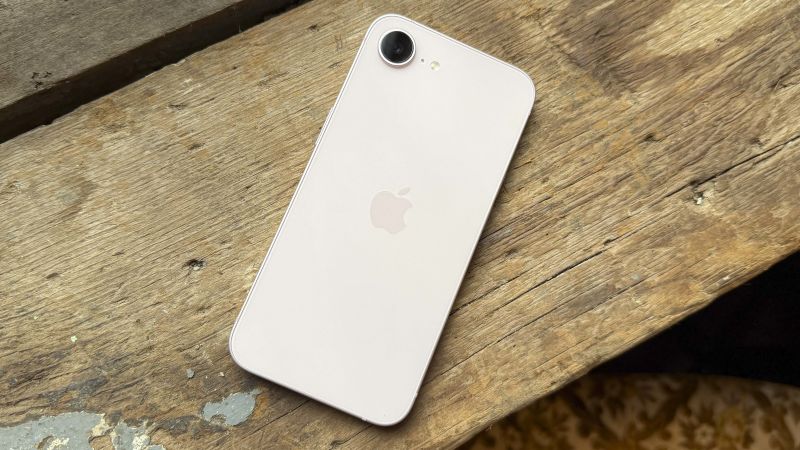
In a strategic move to optimize device utility, recent analysis indicates that users can effectively add MagSafe iPhone 16e capabilities through a targeted hardware modification. A detailed iFixit teardown of the iPhone 17e has revealed a structural compatibility that allows the older iPhone 16e to gain magnetic attachment functionality by swapping its rear panel. This finding represents a significant opportunity for extending the lifecycle of existing devices, though it comes with specific operational limitations. Consequently, this calibrated approach could redefine maintenance strategies for older generation smartphones.
Structural Precision: The MagSafe Integration Translation
The iFixit examination meticulously demonstrated that replacing the iPhone 16e’s rear panel with one from the iPhone 17e directly enables basic MagSafe support. This modification leverages the inherent hardware similarity between the two models. Consequently, the newer rear panel integrates the essential magnetic components required for MagSafe functionality. Furthermore, this structural commonality suggests an intentional design strategy by Apple, facilitating potential repair and upgrade pathways for technicians. The core logic behind this modification is rooted in component interchangeability.

Socio-Economic Impact: Extended Device Utility in Pakistan
This technical insight holds substantial socio-economic implications for Pakistani citizens. Professionals and students, in particular, often rely on devices for extended periods. The ability to add MagSafe iPhone 16e functionality offers a cost-effective upgrade, postponing the need for a full device replacement. Consequently, this extends the useful life of a significant investment. Moreover, enhanced repairability due to shared components could reduce repair costs, benefiting households across urban and rural Pakistan by making device maintenance more accessible and affordable. This fosters a culture of repair over replacement.
The Forward Path: A Stabilization Move for Device Longevity
From an architectural perspective, this development represents a “Stabilization Move.” While it doesn’t introduce groundbreaking new capabilities, it strategically extends the relevance and utility of the iPhone 16e. It allows users to access a key feature of newer models without the capital expenditure of a full upgrade. This approach aligns with principles of resource optimization and sustainable technology use, reinforcing the baseline functionality of a robust device ecosystem rather than initiating a disruptive “Momentum Shift.” To effectively add MagSafe iPhone 16e functionality provides a practical solution for many.
Operational Constraints: Understanding MagSafe Limitations
Despite enabling MagSafe, the modified iPhone 16e does not achieve complete feature parity with the iPhone 17e. Specifically, the device lacks support for the advanced Qi2 charging standard. Therefore, it cannot consistently attain the full 15W wireless charging speeds associated with authentic MagSafe. Furthermore, critical MagSafe-specific software features, such as the distinctive charging animation, remain unavailable. Users should calibrate their expectations regarding these functional limitations.

Component Interoperability and Repair Pathways
The iFixit teardown further revealed extensive component interchangeability between the iPhone 16e and iPhone 17e, encompassing even the logic board. Both models, for instance, utilize the identical 15.56 Wh battery. This structural commonality is projected to significantly simplify repair processes, potentially reducing the complexity and cost associated with component sourcing and replacement. However, a notable anomaly was observed: Face ID functionality ceased after the rear panel swap, despite the front-facing camera maintaining normal operation. This suggests a calibrated software-hardware lock-in for critical biometric systems.
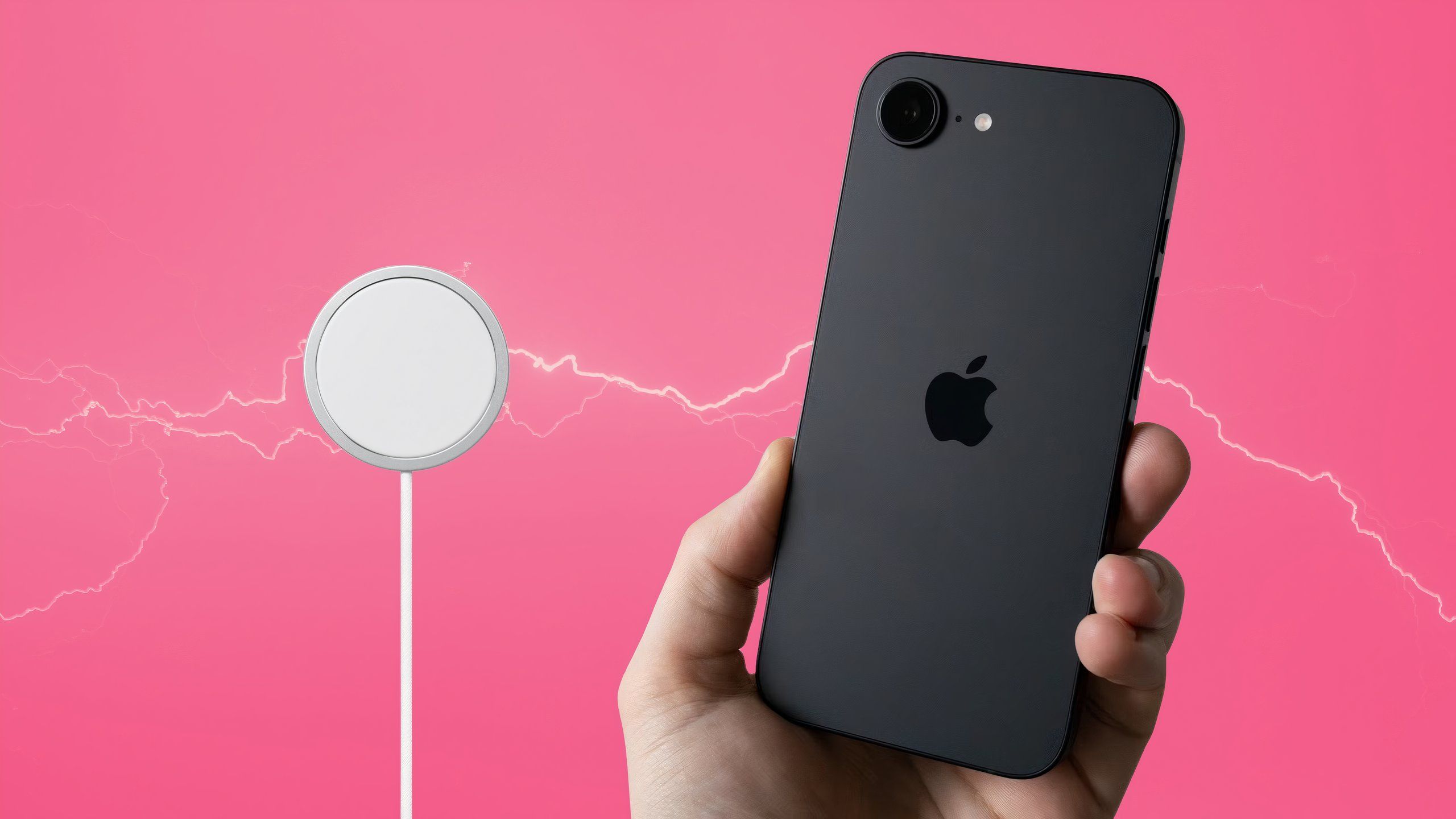
Analyzing the iPhone 17e Repairability Baseline
iFixit has provisionally assigned the iPhone 17e a repairability score of 7. This assessment provides an initial baseline for expected ease of maintenance. The final score, however, remains contingent upon the detailed availability and transparent pricing of spare parts directly from Apple. A higher repairability score generally indicates a more sustainable and user-serviceable device ecosystem, aligning with long-term efficiency goals. This metric offers valuable insight for consumers and repair professionals alike, influencing future device management strategies.