Precision in Observance: Saudi Arabia’s Eid al Fitr 2026 Declaration
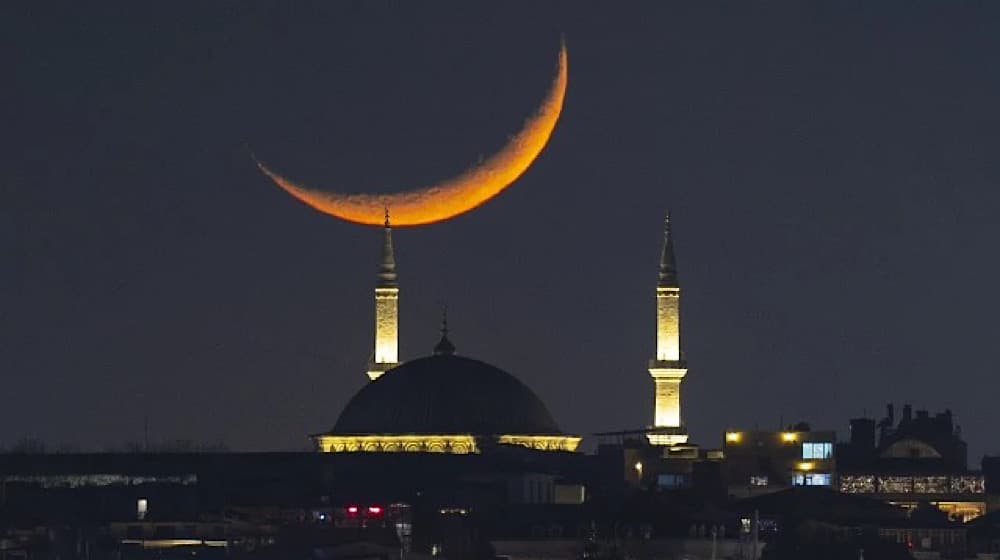
The Kingdom of Saudi Arabia has formally declared Eid al Fitr 2026 for Friday, March 20, 2026. This precise determination follows the confirmed non-sighting of the Shawwal moon, necessitating the completion of 30 days for the holy month of Ramadan. This calibrated announcement provides a foundational baseline for regional Islamic calendars, directly influencing forthcoming observances across the globe, including Pakistan’s own preparations for Eid al Fitr 2026.
The Translation: Unpacking Lunar Sighting Protocols for Global Eid
This declaration is not merely an announcement; it is a critical execution of established Islamic lunar calendar protocols. When the crescent moon of Shawwal remains unsighted after the 29th day of Ramadan, the current month is automatically extended to 30 days. Consequently, the Eid festival commences on the subsequent day. Saudi authorities meticulously apply this procedure across the Kingdom, ensuring a uniform and verifiable start to the festivities.
For Pakistan, the situation presents a nuanced forecast. Experts indicate a strong likelihood of the celebration falling on Saturday, March 21, following a 30-day Ramadan. The Pakistan Space and Upper Atmosphere Research Commission (SUPARCO) provides specific astronomical data: the new Shawwal moon is projected to be born on March 19, 2026, at 06:23 PST. This scientific baseline informs the probability assessment for moon visibility.

The Socio-Economic Impact: Calibrating National Rhythms for the Festival
The precise dating of this important festival carries significant socio-economic ramifications, particularly in Pakistan. A definitive date allows households, businesses, and government sectors to strategically plan. For instance, students anticipate school closures, while professionals calibrate their leave requests. This clarity is a catalyst for economic activity, influencing travel bookings, retail spending, and even the scheduling of public services.
Furthermore, the 28-minute gap between sunset and moonset along Pakistan’s coastal areas on March 19 is a critical parameter. SUPARCO’s analysis, leveraging this data, suggests a low probability of moon sighting that evening. This scientific projection aids urban and rural Pakistani citizens in preparing for either a 29-day or 30-day Ramadan. Consequently, the Central Ruet-e-Hilal Committee’s final announcement will consolidate these scientific inputs with local testimonies, providing the definitive structural clarity required for national observance.

The Forward Path: A Stabilization Move Through Data-Driven Clarity
This annual exercise in lunar observation and subsequent declaration represents a Stabilization Move within the socio-religious framework. While it does not introduce new technologies or economic paradigms, it structurally reinforces predictability and social cohesion. The integration of advanced astronomical data from entities like SUPARCO into the traditional moon-sighting process signifies a gradual yet tangible enhancement of precision. This data-driven approach minimizes uncertainty, allowing for more efficient logistical and social planning, thereby optimizing the national rhythm around significant religious events.