

Pakistan has activated a robust, calibrated strategy to prevent exam paper leaks, thus fortifying the integrity of national examinations. Authorities have announced stringent new measures, including significant prison sentences and heavy fines for offenders. This decisive action directly targets individuals responsible for leaking examination materials, especially those distributing content on social media. Consequently, these structural reforms aim to ensure a fair and equitable assessment environment for all students participating in the upcoming Matriculation Examinations, commencing March 27.
This initiative represents a pivotal commitment to educational purity. Furthermore, the government has declared leaking question papers a punishable offense. Individuals uploading exam content online during active examination periods will face immediate legal action. Officials emphasize that releasing papers before the scheduled time can lead to three years of imprisonment, alongside substantial financial penalties, establishing a clear baseline for accountability.
The Translation: Deconstructing Pakistan’s New Exam Integrity Protocols
Understanding the implications of these new protocols is critical for every stakeholder. To ensure absolute transparency, authorities will now intensely monitor examination centers using advanced CCTV camera systems. Moreover, the use of all mobile phones and electronic devices is strictly prohibited inside examination halls. This structural enforcement eliminates potential digital vulnerabilities, thereby safeguarding the examination process from internal and external threats.
In a strategic move to bolster security, security agencies and police forces will provide direct assistance in monitoring examination centers. Their presence ensures strict compliance with all new regulations. Immediate legal action will be taken against any individual violating these precise rules. This integrated approach elevates the overall security posture around academic assessments.

For individuals involved in organized cheating, often referred to as “booty mafia,” authorities have outlined zero-tolerance policies. Members caught at examination centers will face immediate arrest and charges under relevant laws. Additionally, teachers found complicit in assisting students with cheating may face severe disciplinary action under the Punjab Employees Efficiency, Discipline and Accountability Act (PEDA). Penalties include fines up to Rs50,000 and a permanent ban from future examination duties, reinforcing the ethical framework for educators.
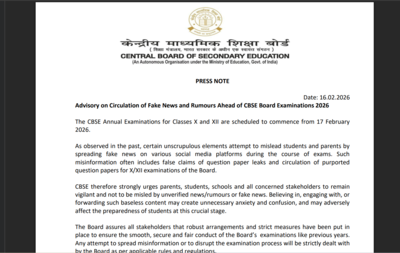
To further secure the examination environment, Section 144 has been strategically imposed around all exam centers. This legal measure bans public gatherings and restricts unauthorized entry. Consequently, only registered exam staff and students possessing valid roll number slips will gain access to the centers, while all unrelated individuals will be strictly prohibited. This calibrated restriction minimizes external interference, fostering a controlled environment essential for fair examinations.
The Socio-Economic Impact: Elevating Educational Equity for Pakistani Citizens
These decisive measures will profoundly impact the daily lives of Pakistani citizens, particularly students and their families. For students across urban and rural Pakistan, this robust framework ensures a more equitable playing field. They can now prepare for exams with increased confidence, knowing that their hard work will be assessed fairly, free from the systemic disadvantage caused by paper leaks. This reduces academic stress and promotes genuine meritocracy.

Furthermore, households will experience reduced financial and emotional burdens. When exams are compromised, the potential for re-examinations or invalidated results creates significant strain. By actively working to prevent exam paper leaks, the government safeguards investments in education, ensuring that resources dedicated to schooling yield legitimate academic progression. This stabilization move contributes directly to the socio-economic advancement of families by valuing genuine educational achievement.

The Forward Path: A Momentum Shift Towards Systemic Integrity
This comprehensive intervention represents a significant momentum shift rather than merely a stabilization move. By rigorously addressing the root causes of examination malpractice and implementing advanced security protocols, Pakistan is structurally investing in the future of its education system. This proactive stance cultivates a culture of academic integrity, which is a foundational element for national advancement and global competitiveness.
The strategic deployment of legal, technological, and human resources to secure examinations signals a powerful commitment from the authorities. This precision in policy execution will undoubtedly strengthen public trust in the national academic framework. Ultimately, these actions serve as a catalyst for a more merit-based society, empowering the next generation of Pakistani leaders and innovators.









