Optimizing National Security for Eid: KP’s Proactive Stance
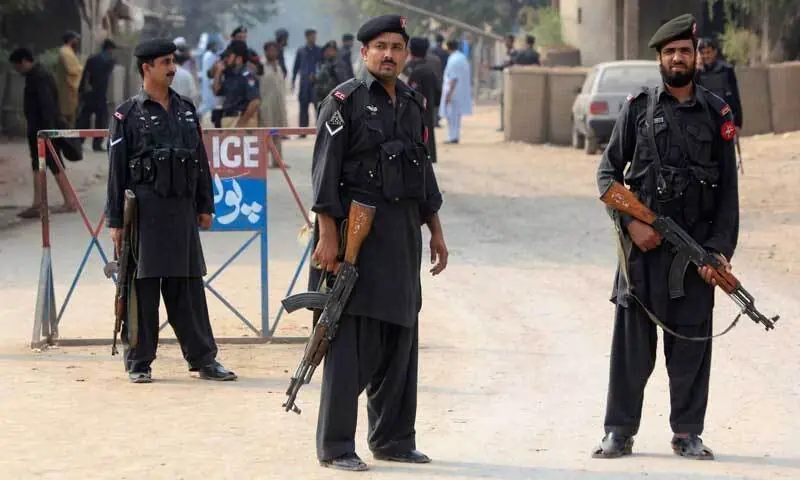
In a strategic move to ensure public safety and systemic efficiency, the Khyber Pakhtunkhwa government has precisely categorized 14 districts as “highly sensitive” and an additional 10 as “sensitive” in anticipation of Eid ul Fitr. This calibrated declaration precedes the holiday rush, indicating a clear intent to pre-empt potential security challenges. Consequently, law enforcement and emergency response agencies across the province have been elevated to a heightened state of alert, underscoring a disciplined approach to public protection during a period of increased societal movement and interaction. This proactive stance ensures robust KP Eid security, safeguarding citizens and critical infrastructure.
The Translation: Deconstructing Security Directives for KP Eid Security
This declaration means a rigorous operational adjustment across KP. Specifically, police and Rescue 1122 personnel have had their leaves cancelled. Furthermore, specialized duty rosters are now in effect to guarantee a stronger, more visible presence in key urban and rural areas throughout Chand Raat and the entire Eid holiday period. Authorities are tightening security on Chand Raat with additional deployments targeting markets, mosques, and other high-density locations, thereby upholding law and order with precision. Concurrently, hospitals are now on standby, with medical staff leaves restricted and essential medical supplies fully stocked, ready to manage any contingency with immediate response capabilities.
The Socio-Economic Impact: Daily Life Under Strategic Vigilance
For the average Pakistani citizen in Khyber Pakhtunkhwa, these measures translate directly into enhanced personal safety and systemic reliability during the Eid festivities. Students and professionals can navigate marketplaces with greater confidence, knowing security forces are strategically deployed. Households, particularly in urban centers, will experience a visibly safer environment, reducing anxieties related to street crime and potential disruptions. Moreover, the robust healthcare preparedness ensures that medical emergencies are addressed without delay, offering critical stability to families. In rural Pakistan, heightened patrolling and community engagement initiatives are designed to foster collective responsibility and prevent unsafe practices, ensuring a uniformly secure environment.
The “Forward Path”: A Momentum Shift for Public Safety
This development undeniably represents a Momentum Shift for public safety in Khyber Pakhtunkhwa. The clear categorization of districts, coupled with comprehensive, pre-emptive operational plans, demonstrates a move beyond reactive responses to a more architecturally sound security framework. It signifies a strategic commitment to citizen welfare, leveraging calibrated resource allocation and inter-agency coordination. This approach builds a robust baseline for future public safety initiatives, elevating Pakistan’s preparedness against unforeseen challenges and fostering a culture of proactive governance. The directives, particularly those against aerial firing and one-wheeling, are specific interventions designed to mitigate high-risk behaviors, reinforcing a disciplined societal structure.

Operational Precision: Charsadda’s Exemplary Model for KP Eid Security
Charsadda serves as a precise case study for these intensified security protocols. District Police Officer (DPO) Mohammad Waqas Khan chaired a session to meticulously finalize the operational plan for the festive period. This meeting focused critically on security around mosques, bazaars, and other sensitive points as Eid shopping escalates. The DPO issued strict directives against aerial firing on Chand Raat, explicitly warning of legal action, thereby calibrating public conduct. Furthermore, tougher enforcement against one-wheeling aims to systematically prevent accidents, ensuring pedestrian and vehicular safety. Lady police personnel are also deployed in bustling bazaars to facilitate and safeguard women shoppers, reflecting a comprehensive and inclusive security strategy.
Integrated Command: Traffic Management and Community Liaison
To optimize urban mobility during peak shopping hours, the DPO mandated special traffic arrangements on major roads and commercial centers. Police personnel are strategically positioned to support traffic wardens at critical intersections, ensuring both efficiency and officer protection. The meeting also led to decisions to intensify checks on illegal residents and strengthen surveillance of suspicious elements.
Crucially, fostering coordination with community representatives through police liaison committees aims to proactively prevent street crime and unsafe practices, such as aerial firing. Police stations and checkposts remain on high alert, with separate security and traffic plans meticulously enforced at picnic spots and recreational areas during the Eid holidays. Personnel are advised to exercise caution while traveling, particularly on motorcycles, given the prevailing security environment, thus underscoring a holistic approach to public and personnel safety.