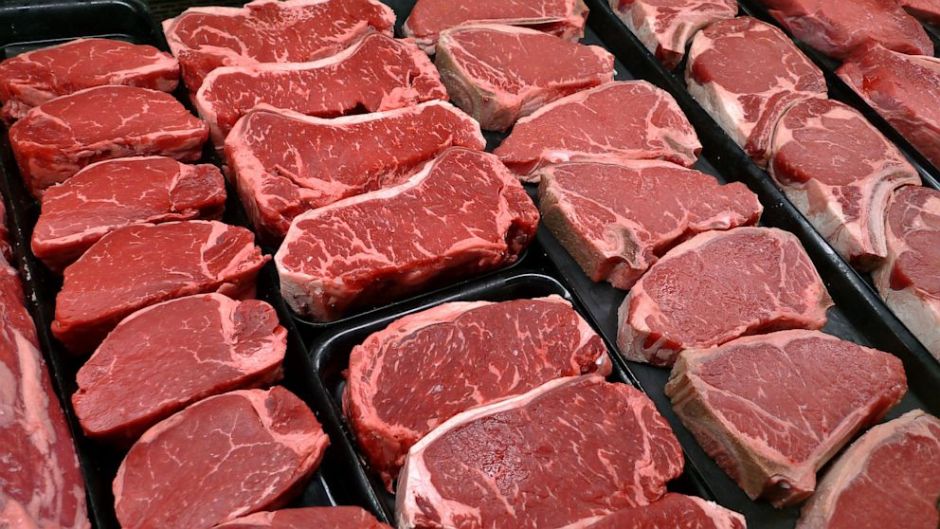
The structural integrity of Pakistan meat exports faces a critical test. Recently, new logistics charges, implemented by Gerry’s Dnata, threaten to elevate export costs and disrupt established international shipment pipelines. This development necessitates a calibrated governmental response to safeguard Pakistan’s burgeoning meat export sector. The All Pakistan Meat Exporters & Processors Association (APMEPA) has formally urged the Ministry of Commerce for immediate intervention.
The Translation: Unpacking the Logistics Challenge
Gerry’s Dnata has introduced an additional fee of Rs. 50 per kilogram on meat exports. Furthermore, the company has explicitly warned that consignments will not proceed without this payment. This translates to an approximate increase of $180 per ton. Consequently, this sudden cost escalation directly impacts the pricing of Pakistan meat exports on the global stage. APMEPA asserts these charges are “unauthorized and unjustified,” positioning a clear mandate for governmental review.

Impact on Export Competitiveness
Mian Abdul Hannan, Chairman of APMEPA, emphasizes the inherent volatility of the international meat market. Even minor increases in logistics costs can drastically alter market share. He states, “Pakistan’s exporters require stable and predictable logistics costs to remain competitive.” The new fee directly challenges Pakistani export competitiveness, potentially pushing international buyers towards alternative suppliers with lower operational overheads. This situation jeopardizes the nation’s efforts to boost export earnings and stabilize external accounts.
The Socio-Economic Impact: Daily Life and National Growth
This logistical hurdle has direct implications for Pakistani citizens. For professionals in the meat processing industry, reduced export volumes could translate into job insecurity or slower growth opportunities. Households across urban and rural Pakistan, linked to the agricultural and livestock sectors, feel the ripple effects of diminished demand for meat products. The nation’s strategic pivot towards an export-led economy relies on robust, predictable frameworks. An unstable export environment undermines confidence, directly affecting the livelihood stability of countless families engaged in the supply chain, from farmers to processors to transporters. Moreover, the long-term impact on foreign exchange reserves could affect national development projects and import capacities, indirectly touching every citizen’s economic well-being.

The "Forward Path": A Critical Stabilization Move
This development represents a Stabilization Move, requiring immediate and decisive action. The core issue revolves around the legality and justification of these new Gerry’s Dnata charges. APMEPA argues that standard industry practice dictates airlines, not exporters, bear such handling and service charges. Therefore, any operational disputes should remain between the airline and the service provider. The federal government, specifically Prime Minister Shehbaz Sharif, must intervene to direct relevant authorities. This intervention is crucial to ensure exporters operate without arbitrary burdens that could undermine Pakistan’s export competitiveness. Failure to address this swiftly could threaten the growth of Pakistan’s value-added meat export segment, which is a vital component of agricultural diversification and economic resilience.