

In a decisive move towards national advancement, the Khyber Pakhtunkhwa (KP) government has implemented a strategic framework for enhanced resource management. This calibrated approach introduces a targeted KP spring break for all educational institutions and a mandatory weekly work-from-home policy for government offices. Consequently, these measures are engineered to optimize fuel conservation and bolster responsible governance, representing a pivotal structural adjustment within the province’s operational baseline.
The Translation: Calibrated Resource Optimization Initiatives
The Establishment and Administration Department (Cabinet Wing) precisely outlined these new directives through an official notification. This mandate establishes a 100% work-from-home policy for all government offices every Friday. This structural adjustment will remain in effect for two months or until an improved situation is officially determined, thereby reducing daily commuting requirements.
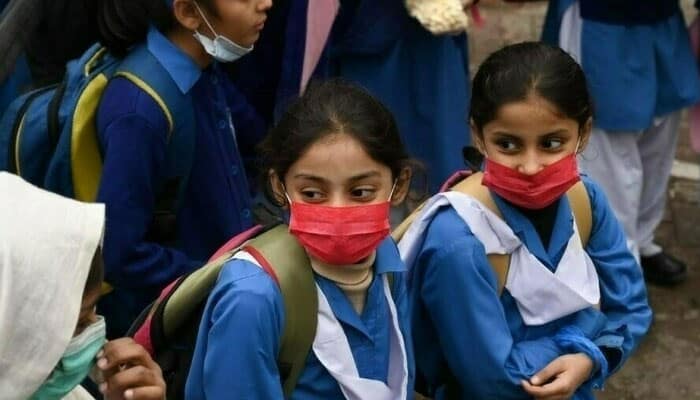
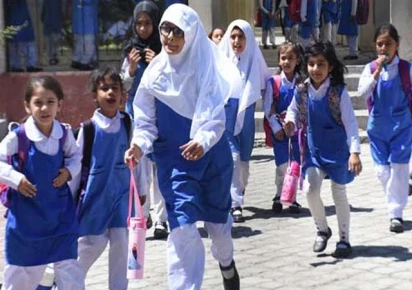
Furthermore, a province-wide KP spring break has been officially announced for both public and private educational institutions. Commencing on March 24, this calibrated pause in academic operations strategically aligns with existing weekend holidays. Explicitly, this means the effective impact of the spring break period will be limited to four days, as Friday through Sunday are already designated non-working days. However, board and university examinations will proceed as scheduled, maintaining critical academic timelines.
Socio-Economic Impact: Enhancing Daily Life and Operational Efficiency
This dual-pronged strategy directly impacts the daily lives of Pakistani citizens across urban and rural landscapes. For professionals in government service, the work-from-home initiative on Fridays translates into reduced daily travel costs and decreased exposure to traffic congestion. Consequently, this policy supports a more flexible work-life integration, which could potentially enhance productivity and reduce operational overheads for the government itself. Structurally, this also lessens the collective environmental footprint by minimizing vehicular emissions.
For students and households, the announced KP spring break provides a vital period for rejuvenation. While brief, this recess allows families to calibrate their schedules, potentially reducing the strain of daily commutes for students and staff alike. Furthermore, this measure contributes to the provincial objective of significant fuel consumption reduction, directly correlating with broader economic stability. Specifically, the provision of a KP spring break illustrates a pragmatic approach to managing resources during specific periods of need.
The Forward Path: A Momentum Shift Towards Systemic Stability
This strategic decision by the KP government represents a significant Stabilization Move within the province’s governance framework. It is not merely an adaptive response but a proactive measure to embed efficiency into routine operations. By formally integrating a work-from-home policy and a precisely timed spring break, the government demonstrates a commitment to resource optimization and citizen well-being. This structural foresight is commendable, laying a baseline for future calibrated interventions aimed at long-term systemic stability and sustainable national advancement. This action validates the imperative of dynamic governance in rapidly evolving national contexts.








