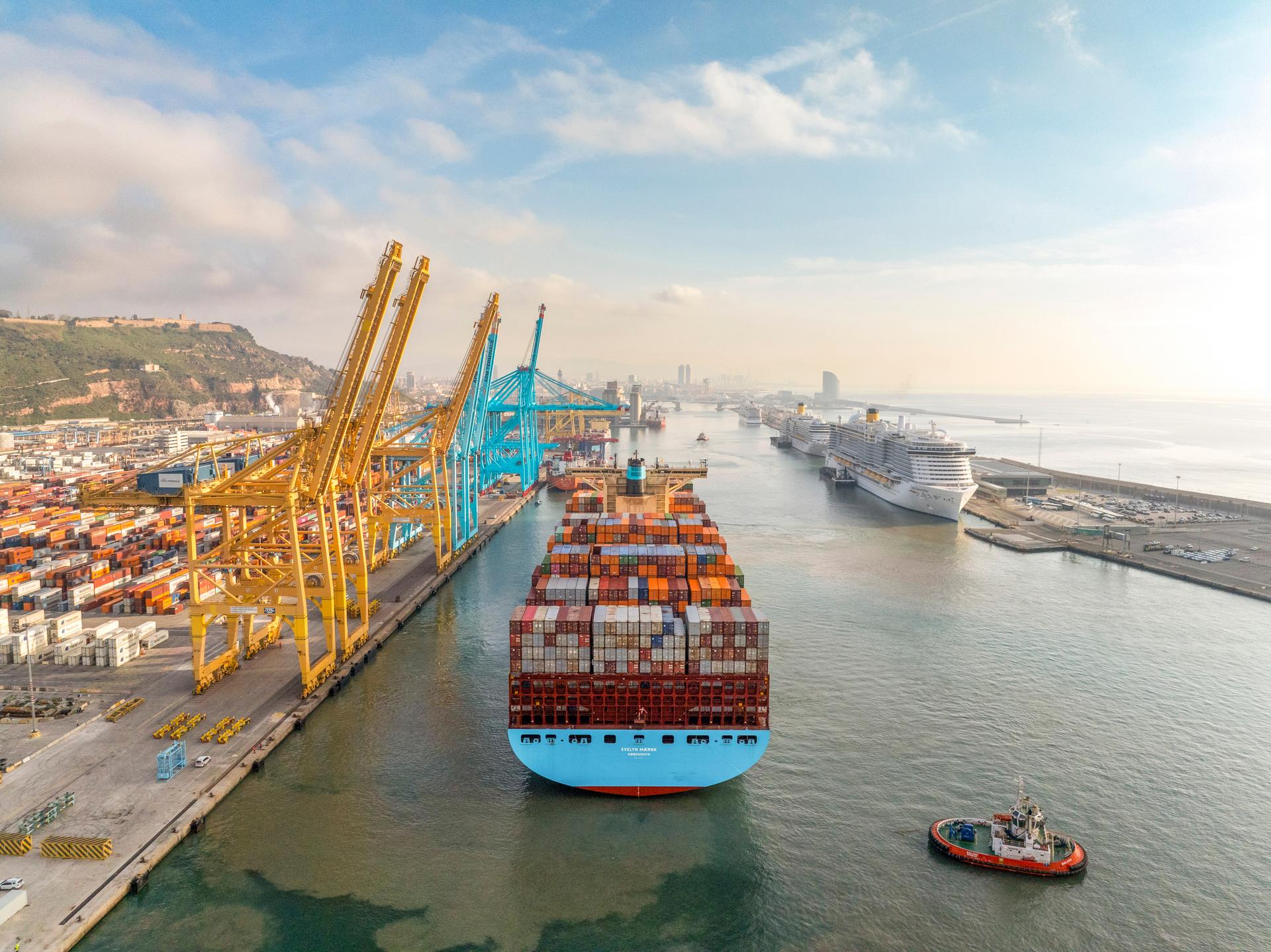
Global shipping leader Maersk has announced an impending increase in its Emergency Contingency Surcharge (ECS) for cargo originating from Pakistan and the broader Indian Subcontinent destined for West Africa. This structural adjustment, effective from April 1, 2026, directly impacts the Maersk Surcharge Pakistan and is set to elevate export costs for Pakistani businesses. Consequently, companies will face increased operational expenses, potentially affecting their competitive standing in key West African markets. This move specifically targets the West Africa (W2MW) trade corridor, necessitating a calibrated response from exporters.
The Translation: Unpacking the Logistics of Increased Shipping Costs
An Emergency Contingency Surcharge (ECS) is a dynamic fee imposed by shipping lines to mitigate unforeseen operational risks. These risks frequently include volatile fuel prices, prolonged transit times due to route diversions, or geopolitical disruptions. In this instance, the Maersk Surcharge Pakistan increase reflects a response to complex trade logistics challenges, particularly those impacting safe passage through critical maritime choke points like the Hormuz Strait. The data suggests that Western shipping companies now face heightened risks in this region, compelling them to reroute vessels. This strategic recalibration aims to offset the operational costs associated with longer, safer routes, ensuring supply chain reliability despite the added expense.

The Socio-Economic Impact: How Rising Freight Charges Affect Pakistani Lives
This revised Maersk Surcharge Pakistan will cascade through the national economy, directly influencing the daily lives of Pakistani citizens. For example, exporters of textiles, rice, and leather goods—key sectors for Pakistan’s economy—will confront higher freight charges when shipping to markets like Nigeria and Ghana. Small to medium-sized enterprises (SMEs), which often operate on tight margins, might absorb these costs, reducing their profitability and capacity for expansion. Alternatively, passing these surcharges onto international buyers could render Pakistani products less competitive against regional rivals, potentially decreasing export volumes. Ultimately, this scenario could impact employment opportunities in export-oriented industries and influence the cost of imported goods, affecting household budgets.
Students pursuing careers in supply chain management or international trade will observe real-time challenges in global logistics. Furthermore, professionals in the manufacturing and export sectors must now strategically adapt their pricing models and explore diversified shipping strategies to maintain market presence. This development underscores the interconnectedness of global trade with local economic stability.
The Forward Path: A Stabilization Move Requiring Strategic Adaptation
This adjustment by Maersk represents a Stabilization Move rather than a proactive momentum shift for Pakistan’s export sector. It is a necessary recalibration by a major shipping entity to manage unavoidable operational risks in a volatile global environment. While the immediate impact translates to increased Pakistan export costs West Africa, it simultaneously underscores the critical need for Pakistan to strengthen its internal logistics infrastructure and diversify its trade routes. To mitigate future vulnerabilities, a proactive strategy involves investing in more efficient port operations and exploring bilateral trade agreements that could stabilize shipping rates. Pakistan must leverage this challenge as a catalyst for structural improvements in its trade logistics, thereby reinforcing its long-term economic resilience.