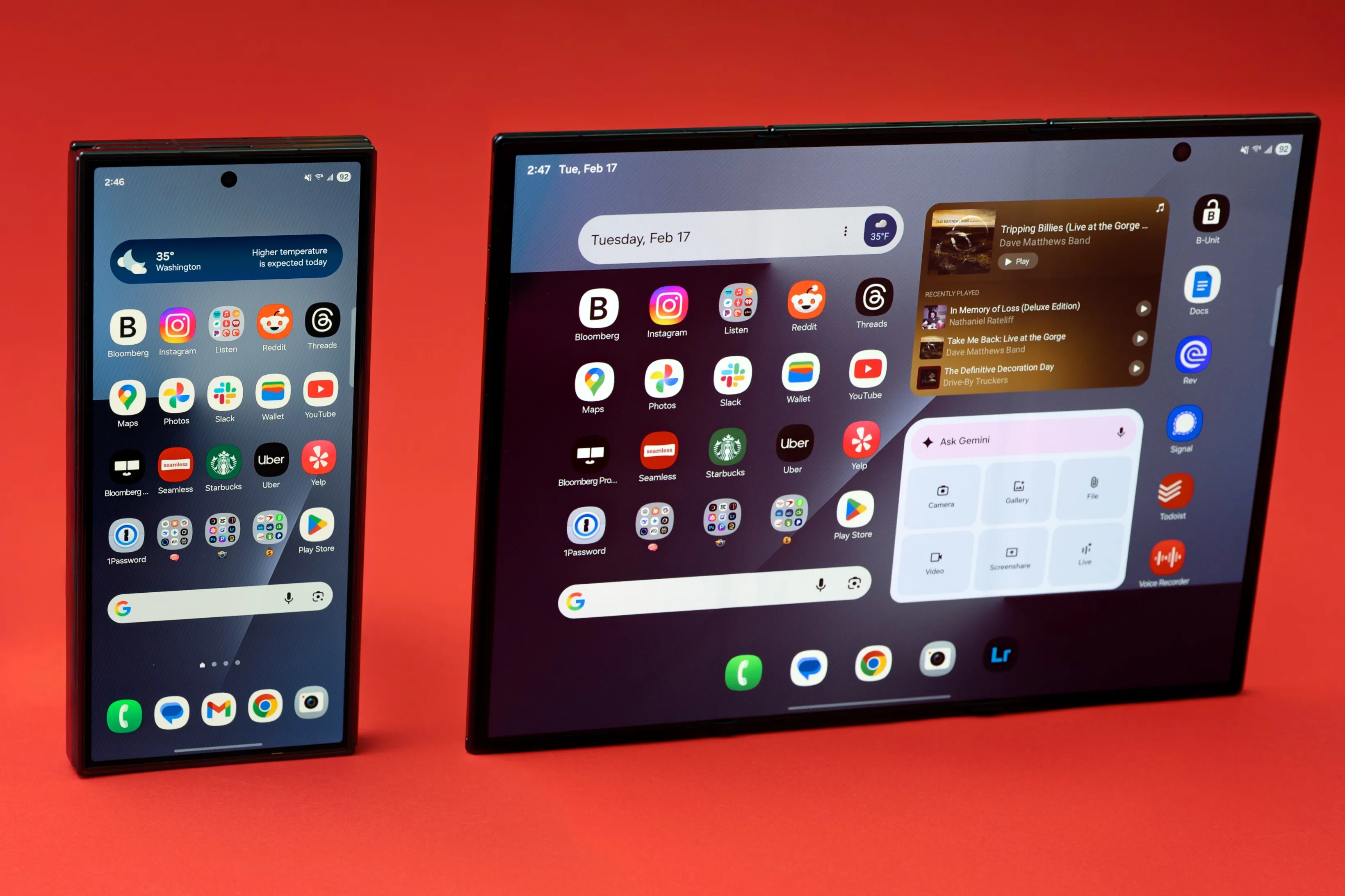
The operational lifecycle of the innovative Samsung tri-fold phone, the Galaxy Z TriFold, faces an expedited conclusion within the Korean market, merely months post-launch. This strategic decision, commencing March 17, signals a calibrated approach to product viability, despite its sustained presence in the U.S. market until current inventories are depleted. Consequently, this development underscores dynamic shifts in consumer technology adoption and strategic market positioning for future foldable devices.
Assessing the Samsung Tri-Fold Phone Strategy
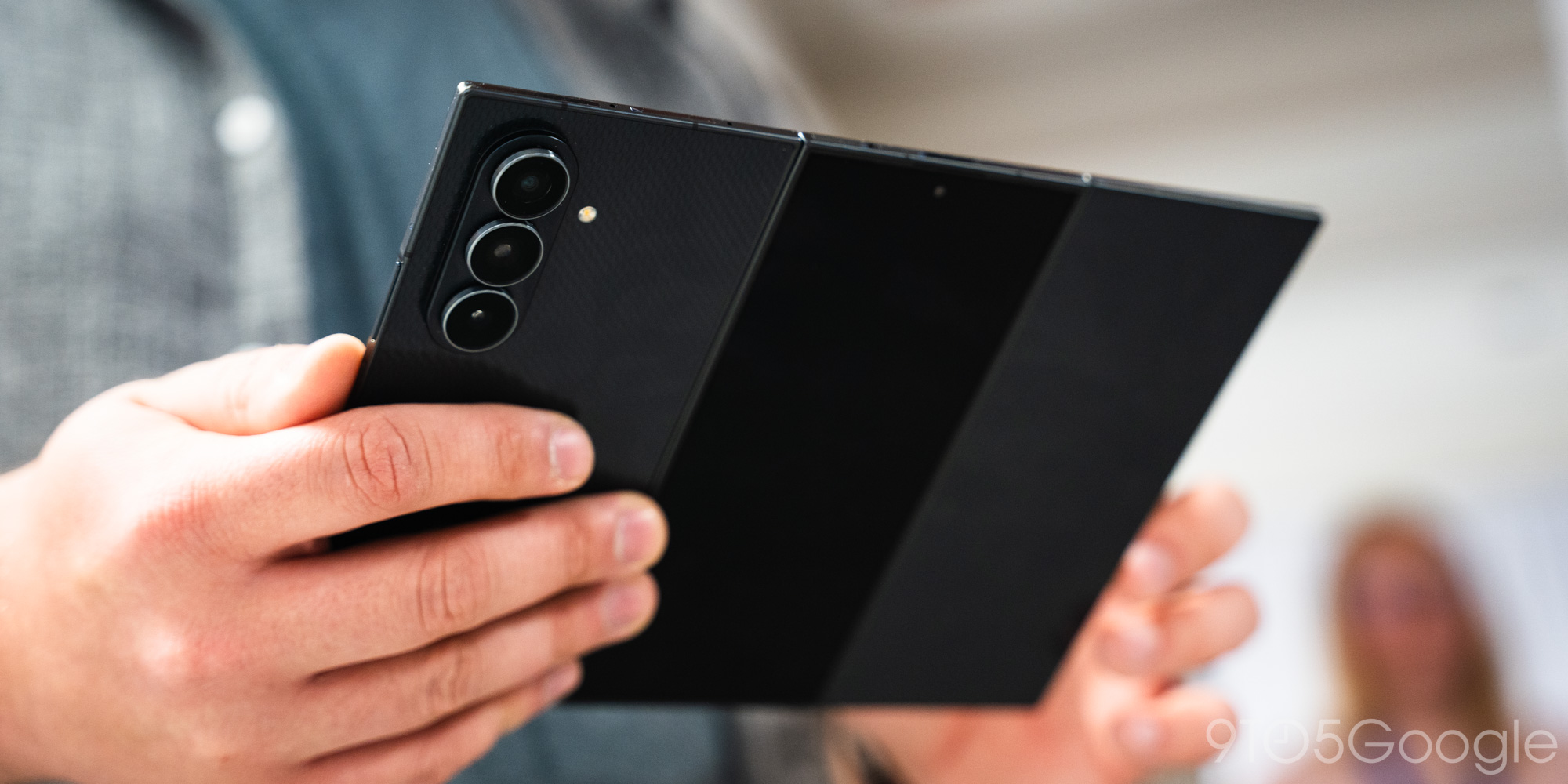
Reports from South Korea confirm that the Galaxy Z TriFold, Samsung’s inaugural device with a triple-folding form factor, is slated for discontinuation in its domestic market. This move, initiated today, March 17, establishes an exceptionally short commercial window for the highly anticipated smartphone. Furthermore, initial production volumes were deliberately constrained, resulting in consistent sellouts each time new stock became available. This limited accessibility has prompted significant discussion regarding the device’s market intent and strategic classification.
The Translation: Decoding Samsung’s Market Maneuver
This rapid withdrawal from the Korean market, coupled with highly restricted production, suggests Samsung approached the Galaxy Z TriFold more as a sophisticated prototype than a full-scale commercial launch. Such a strategy allows for real-world testing and iterative refinement of advanced technologies without committing extensive resources to mass production. In contrast, while Korean sales cease, the device will remain available in the U.S. market, yet only until existing stock is exhausted. This indicates a global inventory management strategy, rather than a sustained international rollout.
The operational logic behind this decision appears rooted in data acquisition concerning user interaction, manufacturing complexities, and market receptiveness to novel foldable interfaces. Specifically, the company likely leveraged this limited release to gather critical intelligence that will inform the structural and functional design of subsequent generations of multi-fold devices. Therefore, this short lifecycle is not necessarily a failure, but rather a strategic data-collection phase.
Socio-Economic Impact: Implications for Pakistan’s Digital Landscape
For Pakistani citizens, particularly students and professionals reliant on cutting-edge mobile technology, the expedited lifecycle of the Samsung tri-fold phone carries several implications. Firstly, such rapid product cycles can create uncertainty regarding long-term device support and value retention, impacting investment decisions in premium electronics. Secondly, while direct availability in Pakistan might have been limited, the global trajectory of these advanced devices influences local aspirations and technology adoption curves. If leading innovators like Samsung experiment cautiously, it could delay the widespread accessibility and affordability of similar high-performance, multi-fold devices in markets such as Pakistan.
Furthermore, this development highlights the critical importance of a robust local innovation ecosystem. As global tech giants refine their strategies, Pakistan’s STEM sector must calibrate its focus on developing relevant, accessible, and sustainable digital solutions. Consequently, this scenario reinforces the need for strategic investments in local R&D to ensure that Pakistanis are not merely consumers but also contributors to the future of mobile technology.
The “Forward Path”: A Glimpse into Future Foldable Technology
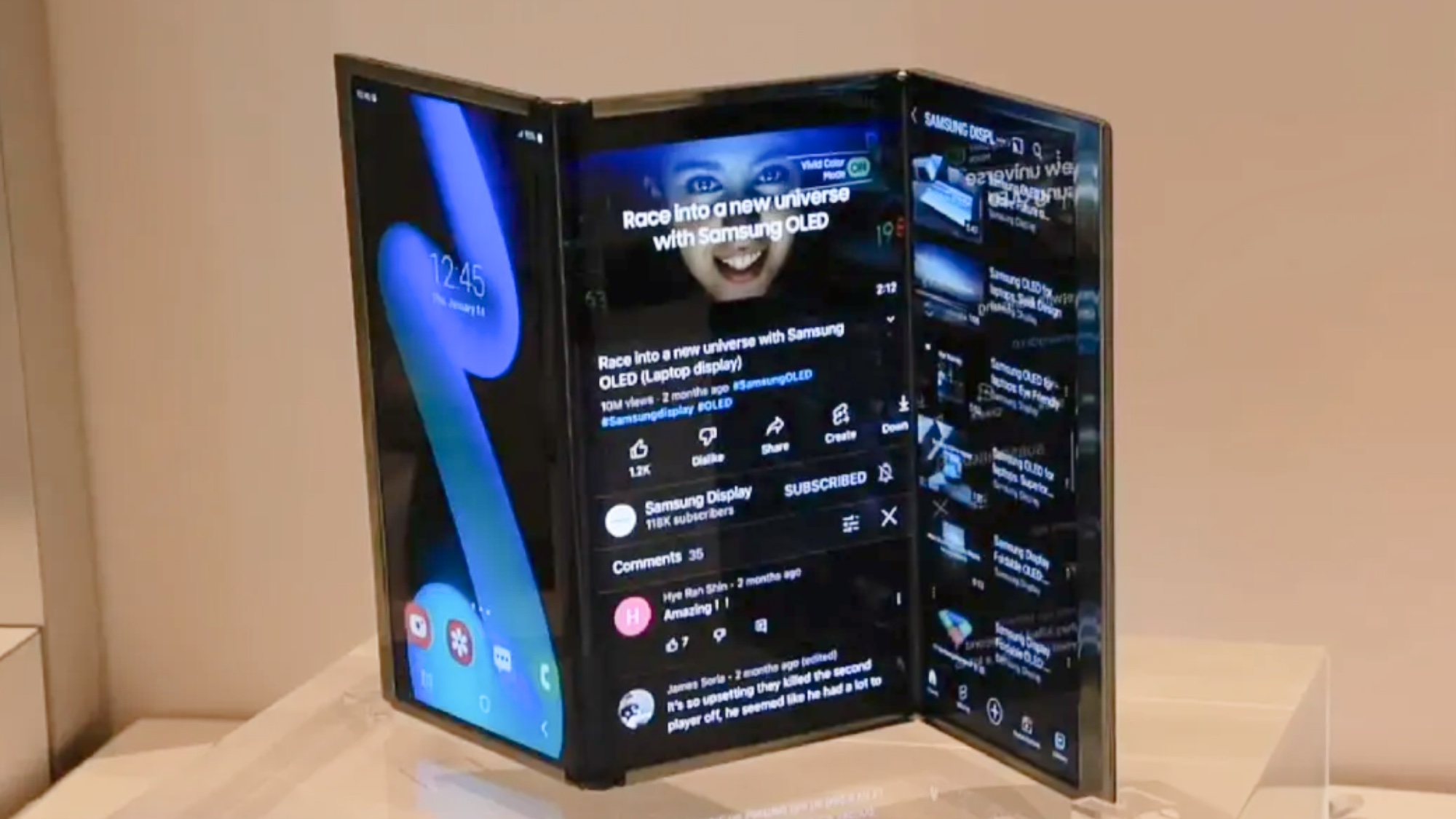
This development signifies a “Stabilization Move” rather than a definitive “Momentum Shift” for Samsung in the foldable phone arena. The company is demonstrably recalibrating its approach to a nascent yet highly promising form factor. By limiting the initial exposure and gathering targeted insights, Samsung is strategically fortifying its structural understanding of tri-fold technology. It indicates a disciplined, data-driven approach to innovation, ensuring that future iterations are more refined and commercially viable. Therefore, while this specific model’s journey is short, it serves as a crucial baseline for the next generation of truly transformative multi-fold devices that could redefine mobile computing paradigms globally.