

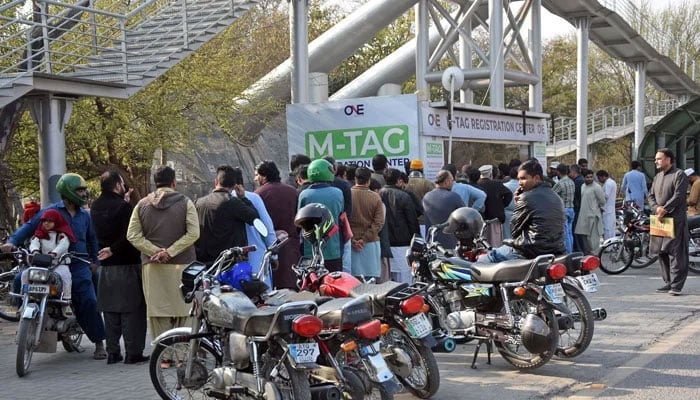
Calibrated adjustments to national security protocols are vital for systemic efficiency and citizen well-being. The Islamabad High Court has strategically intervened, ordering crucial Students M-tag Relief for motorcyclists in the capital. This directive mandates that the administration avoid stringent enforcement against students concerning the compulsory M-tag requirement. This ruling ensures a balanced approach, mitigating potential academic and logistical disruptions for our future innovators while upholding essential security frameworks.
The Translation: Clarifying the M-tag Directive for Students
On Monday, Chief Justice Sardar Mohammad Sarfaraz Dogar issued these precise directives during a pivotal petition hearing. Historically, students have received concessions in such matters; consequently, the court applied this established precedent. The M-tag system, as clarified by state counsel, originated from pressing security concerns following a courthouse blast. This tragic incident, involving a motorcycle, resulted in twelve fatalities and thirty-six injuries. Therefore, authorities implemented the M-tag policy to strengthen surveillance at Islamabad’s entry points.
Despite the critical security rationale, the Chief Justice emphasized that policy implementation must not create undue hardship for students. Furthermore, the court has directed the administration to submit a comprehensive response. The next hearing is strategically scheduled for April 6, signaling a structured approach to this regulatory challenge.
Socio-Economic Impact: What This Means for Pakistani Households
This judicial intervention directly impacts thousands of students across urban and rural Pakistan who commute to educational institutions in Islamabad. Prior to this ruling, the mandatory M-tag presented a potential barrier, possibly leading to fines or travel restrictions. Consequently, this relief ensures uninterrupted access to education and reduces financial burdens on student households. For professionals and families, while general M-tag compliance remains, the student exemption demonstrates a calibrated application of security measures that considers demographic vulnerabilities. It streamlines daily life, preventing unnecessary bureaucratic friction for a significant segment of the population.
The Forward Path: A Stabilization Move for Student Mobility
This development represents a Stabilization Move rather than a radical Momentum Shift. The court’s decision prudently balances national security imperatives with the practical realities faced by the student community. It refines an existing policy to enhance its operational fairness and effectiveness, particularly for a vulnerable demographic. This strategic adjustment ensures that critical security objectives are met without compromising the educational trajectory or daily mobility of Pakistan’s youth. It is a precise recalibration, fostering trust and operational efficiency within the regulatory framework.








