
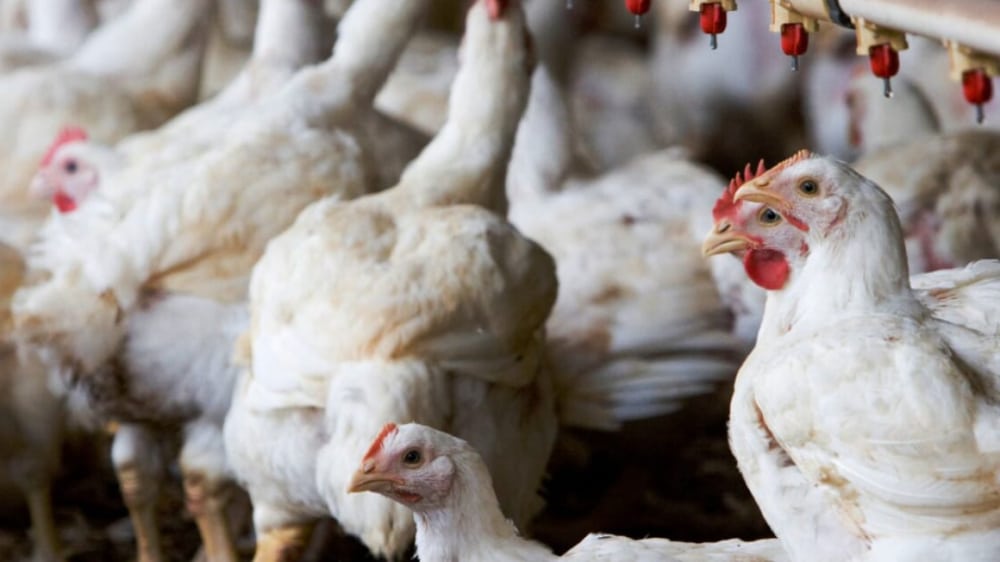
Calibrated Market Dynamics: Understanding the Chicken Price Hike
Ahead of Eid, Peshawar is experiencing a significant chicken price hike, with live poultry now costing around Rs405 per kilogram, an increase of Rs45. This systematic elevation in essential food item costs, including vegetables and fruits, is directly linked to amplified consumer demand, placing considerable financial strain on households. This analysis will structurally evaluate the market dynamics and their socio-economic repercussions, providing clarity on the current fiscal pressures impacting the region.
The Translation: Deconstructing Pre-Eid Market Forces
The observed surge in commodity prices, particularly the notable chicken price hike, is a predictable cyclical phenomenon. Data indicates a Rs45 per kilogram increase for chicken, pushing live poultry rates to approximately Rs405 per kilogram. Furthermore, vegetable prices have escalated by Rs20 to Rs30 per kilogram, while certain fruit varieties have seen increments up to Rs50 per kilogram. This calibrated adjustment in market rates is primarily driven by a sharp rise in consumer purchasing volume as Eid approaches, a period characterized by heightened demand for celebratory provisions.
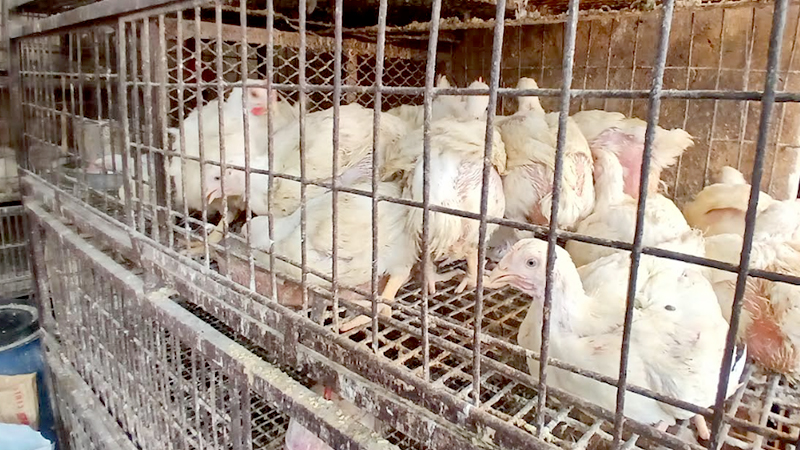
Traders cite this predictable surge in demand as the primary catalyst for the current pricing structure. Consequently, the market responds with upward price adjustments to manage supply and demand equilibrium. Consumers, however, articulate considerable concern regarding the accelerating cost of essential food items, which directly impacts their festive season budgets and overall household stability. This dynamic represents a classic economic response to a concentrated period of high consumer activity, affecting Peshawar food prices.
The Socio-Economic Impact: Daily Life Adjustments for Pakistani Citizens
This widespread chicken price hike directly translates into tangible financial burdens for Pakistani citizens, particularly students and urban and rural households. For families with limited budgets, the increased cost of protein and fresh produce necessitates significant adjustments. Many households must reallocate funds, potentially reducing spending in other critical areas such as education or healthcare, or compromising on the quantity and quality of food items purchased for Eid celebrations. This scenario underscores a critical challenge in maintaining household economic stability during peak festive periods. This consumer financial burden demands strategic interventions.

Students managing their expenses often find their food budgets stretched thin, impacting their nutritional intake. For professionals, the erosion of purchasing power can lead to heightened financial stress, even impacting small businesses that rely on stable consumer spending. In contrast, the market’s response, though economically justifiable from a supply-demand perspective, creates acute pressure points for the average Pakistani citizen striving for economic resilience and dignified celebrations. The overall Eid essential items budget becomes a significant concern.
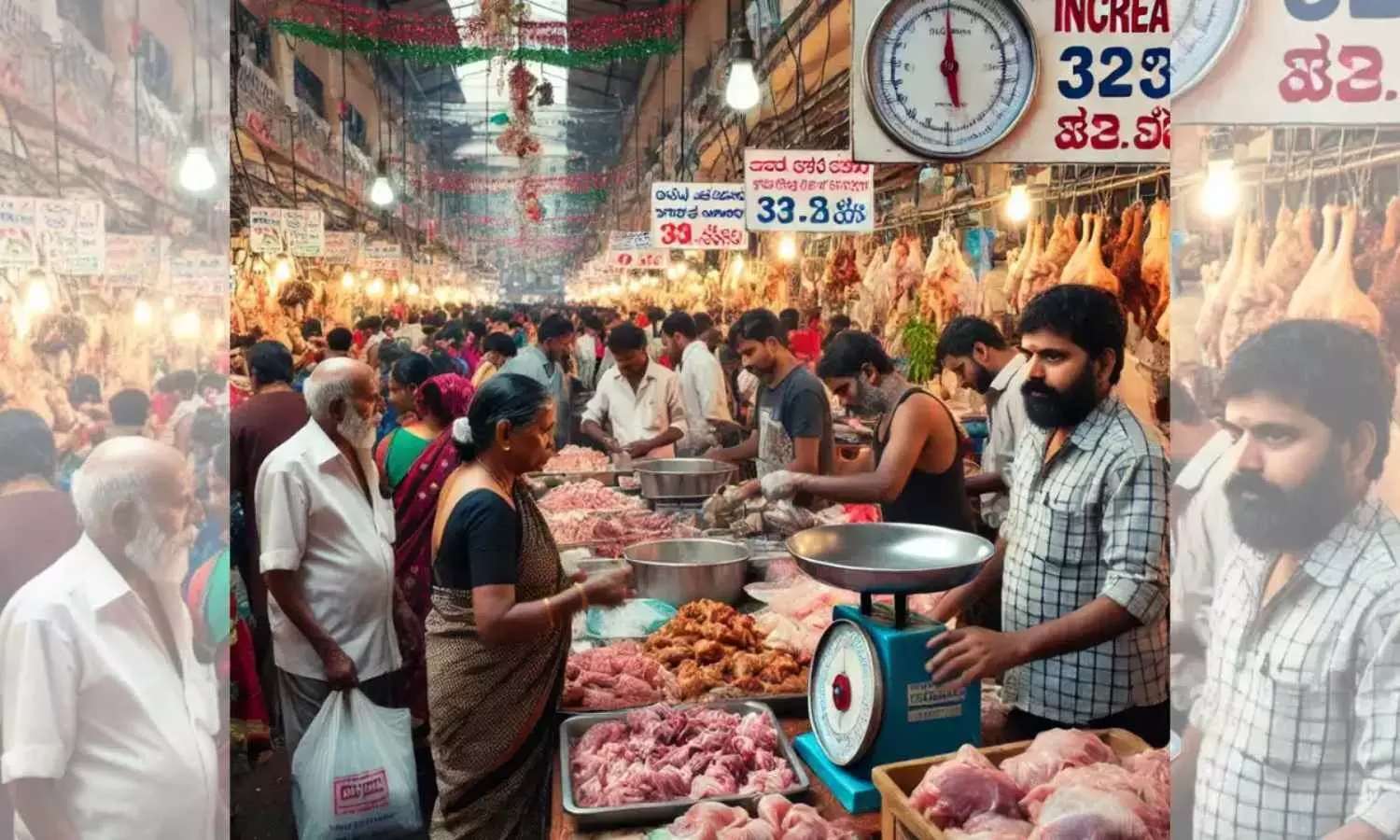
The ‘Forward Path’: Navigating Stabilization in Essential Commodities
This current market situation represents a Stabilization Move rather than a momentum shift. While the demand-driven price increases are cyclical, the consistent pressure on essential food items highlights a structural need for more robust supply chain management and strategic price regulation mechanisms. Mitigating these recurrent financial strains on consumers requires a calibrated approach involving proactive government oversight, enhanced agricultural output, and efficient distribution networks to absorb predictable demand surges. This strategy addresses poultry market rates and beyond.
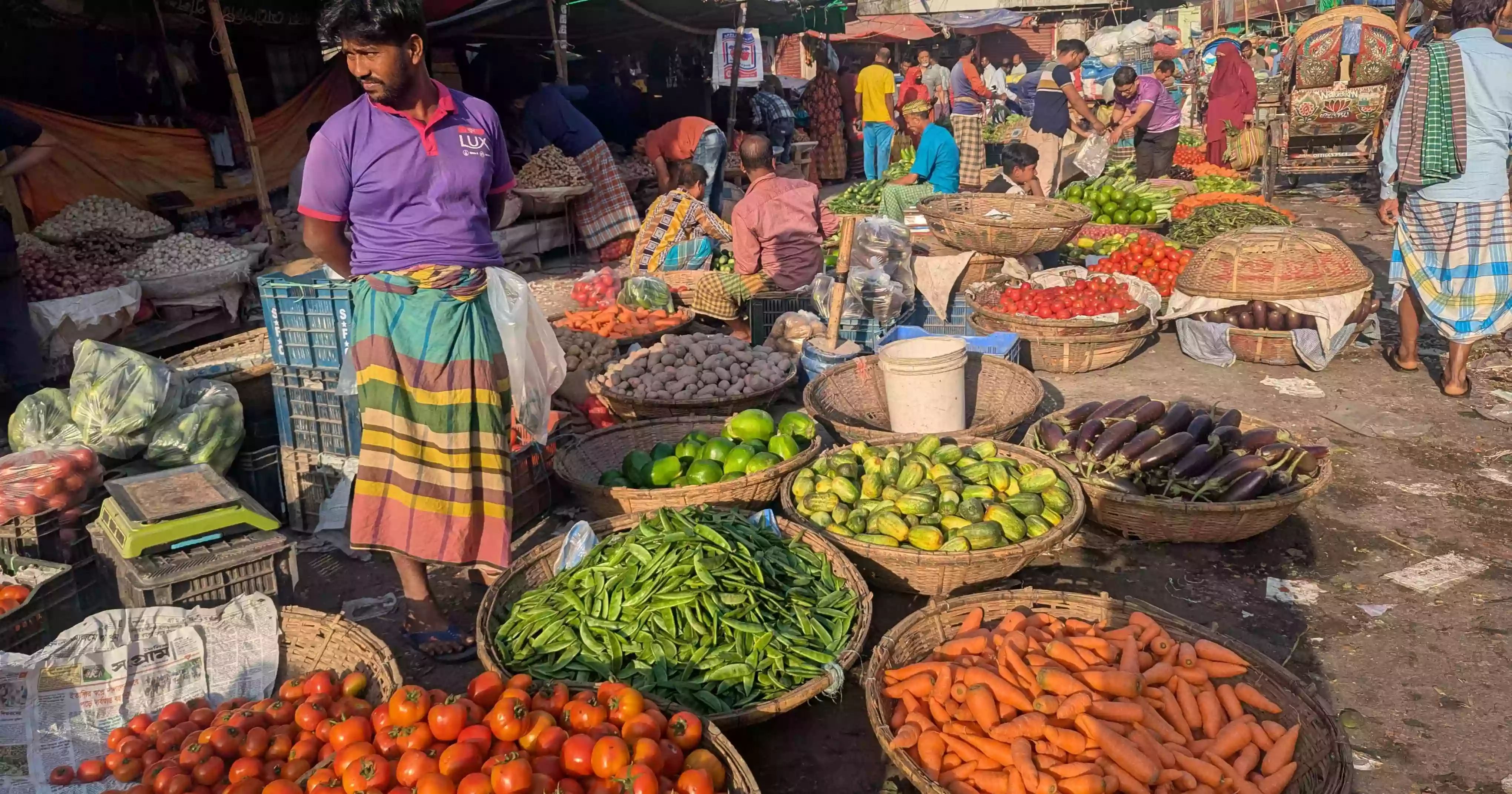
A precision-focused strategy would involve incentivizing local poultry farms and vegetable growers to increase production capacity in anticipation of Eid. Furthermore, establishing baseline pricing parameters during non-peak seasons could create a more resilient market against seasonal fluctuations. This systematic approach would aim to stabilize essential commodity prices, ensuring affordability and fostering greater economic predictability for all citizens during culturally significant periods. Structural reforms are pivotal for sustainable market stability.









