

Strategic Weather Outlook: Understanding the Eid ul Fitr Rain Forecast
The Pakistan Meteorological Department (PMD) issues a critical Eid ul Fitr Rain Forecast, indicating significant wet spells across Rawalpindi and Islamabad. Gusty winds and heavy rainfall recently impacted these twin cities, introducing a noticeable chill. Furthermore, the PMD predicts a sustained temperature drop, recalibrating the baseline weather conditions before the festive period. A more intense westerly weather system is projected from March 18 to March 20, with subsequent rain anticipated post-Eid ul Fitr, requiring proactive civic preparedness.
The Translation: Decoding PMD’s Calibrated Predictions
The recent weather phenomenon, characterized by heavy rain and strong winds, signals a shift in atmospheric patterns. PMD’s announcement translates to a concrete expectation of multiple wet episodes. Specifically, a potent westerly system is advancing into Pakistan’s northwestern regions, slated to remain active through Monday afternoon. Consequently, while many areas may experience dry conditions, upper Khyber Pakhtunkhwa, upper Punjab, the Potohar region, Kashmir, and Gilgit-Baltistan face a calibrated risk of isolated rain, wind, and thunderstorms. Furthermore, the forecast includes a specific caution for hail and windstorms in select locations within upper Punjab and the Potohar belt. The mercury, having already dipped by approximately two degrees Celsius in the twin cities, is expected to continue this downward trend, establishing cooler conditions than the previous week.
- Predicted Systems: A stronger system from March 18-20; another wave after Eid ul Fitr.
- Temperature Drop: Two-degree Celsius decrease already observed; further cooling anticipated.
- Affected Regions: Upper Khyber Pakhtunkhwa, upper Punjab, Potohar, Kashmir, Gilgit-Baltistan.
- Specific Hazards: Isolated rain, windstorms, thunderstorms, and potential hail.
The Socio-Economic Impact: Navigating Daily Life Amidst Calibrated Forecasts
This Eid ul Fitr Rain Forecast directly impacts the operational tempo and daily routines of Pakistani citizens, particularly in urban and rural areas. For students, the colder, wetter conditions may necessitate adjustments in daily commutes and outdoor activities. Professionals working in key sectors might experience localized transit disruptions due to water accumulation and muddy road conditions, as observed in Rawalpindi. Households, consequently, must strategize energy consumption for heating and secure outdoor belongings to mitigate wind damage. WASA’s proactive mobilization, deploying teams and heavy machinery in low-lying localities like Liaquat Bagh and Committee Chowk Underpass, demonstrates a critical municipal response. This focused intervention aims to maintain civic functionality and ensure public safety against potential localized flooding, safeguarding infrastructure and property.
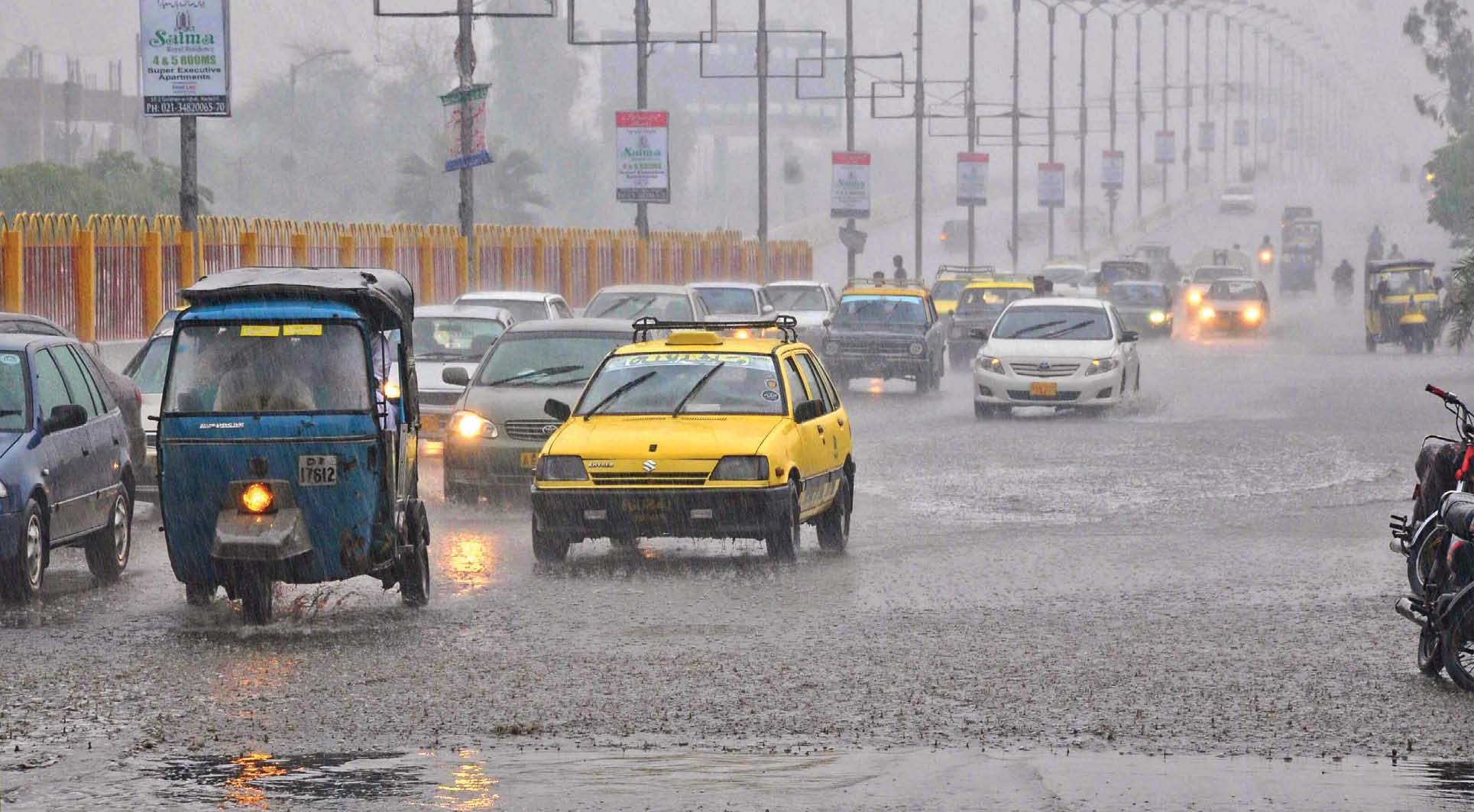
Moreover, citizens’ adherence to safety guidelines, such as avoiding drains and refraining from waste disposal into nullahs, becomes paramount. This collaborative approach enhances the efficiency of drainage systems and prevents exacerbated flooding. The systematic monitoring of water levels in critical arteries like Leh Nullah represents a structural commitment to public welfare. Ultimately, the forecast mandates a collective shift towards heightened situational awareness and responsive action, fostering community resilience.
The Forward Path: A Stabilization Move for Environmental Management
This series of weather advisories and corresponding civic responses represents a Stabilization Move within Pakistan’s environmental management framework. It demonstrates a calibrated capacity to predict and respond to dynamic atmospheric conditions, rather than a fundamental shift in national advancement. The PMD’s precise meteorological data empowers proactive measures by entities like WASA, which strategically deploys resources to mitigate immediate challenges. While the consistent weather patterns highlight the imperative for robust urban planning and resilient infrastructure, the current response focuses on maintaining operational baselines. Therefore, it solidifies existing contingency protocols, ensuring continuity and public safety during predictable seasonal variations. Further investment in climate-resilient urban infrastructure and advanced meteorological analytics could, however, transform future responses into a true Momentum Shift.








