Rawalpindi’s City Traffic Police (CTP) has strategically launched a comprehensive Rawalpindi Ramazan Traffic Plan to manage the significant increase in vehicular movement during the final ten days of the holy month. This calibrated deployment aims to ensure optimal public convenience and sustain essential urban flow, particularly as shoppers converge on commercial centers. Chief Traffic Officer (CTO) Rawalpindi Farhan Aslam initiated these measures, underscoring a commitment to structural traffic management and citizen accessibility.
The Translation: Deconstructing Traffic Flow Directives
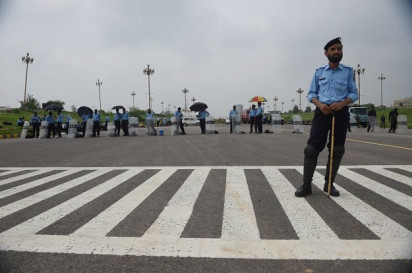
The CTP’s directive involves a precise recalibration of personnel deployment. Additional traffic officers are now positioned across critical arteries, commercial markets, and bustling bazaars city-wide. Furthermore, office staff are transitioning into field duties, working in shifts until Eid-ul-Fitr. This strategic augmentation of on-ground personnel is designed to proactively mitigate congestion and enhance the overall experience for road users. Consequently, the operational baseline for traffic management is significantly elevated during this high-demand period.

Strategic Deployment and Citizen Cooperation
CTO Farhan Aslam articulated that the last ten days of Ramazan-ul-Mubarak consistently witness a dramatic surge in shopping activity. This influx necessitates a responsive and robust traffic management framework. Over 800 traffic officers and personnel are now operating on a 24-hour cycle throughout Rawalpindi, maintaining order and facilitating movement. In contrast to conventional patrols, specialized squads are actively working to prevent traffic incidents, counter one-wheeling, and enforce regulations against illegal parking. The structural integrity of this plan hinges on collaborative citizen engagement.
The Socio-Economic Impact: Calibrating the Rawalpindi Ramazan Traffic Plan for Daily Life
This initiative profoundly impacts the daily life of Rawalpindi’s citizens. For students and professionals, smoother commutes mean reduced stress and more predictable travel times, directly improving punctuality and overall productivity. Households engaged in Ramazan and Eid shopping will experience less congestion, transforming a potentially arduous task into a more efficient and pleasant experience. In urban and rural areas served by these routes, the calibrated flow of traffic minimizes economic friction, ensuring goods reach markets and families return home with greater ease. This focused Rawalpindi Ramazan Traffic Plan is a direct investment in citizen well-being and economic velocity.
Empowering Movement, Ensuring Safety
The CTO emphasized that traffic wardens, collaborating with citizens, are precisely managing traffic on critical thoroughfares. This symbiotic relationship between law enforcement and the public is a catalyst for effective urban mobility. Furthermore, the active presence of special squads directly addresses critical safety concerns. The CTP urges residents to rigorously adhere to traffic regulations, extend full cooperation to personnel, and avoid parking in prohibited zones. Such collective discipline is paramount for achieving seamless movement for all road users during this sacred and bustling period, ensuring safer streets and an enhanced quality of life.
The “Forward Path”: A Momentum Shift
This proactive plan represents a clear Momentum Shift for Rawalpindi’s urban management. The strategic deployment of additional human resources, coupled with a focused enforcement strategy, transcends mere maintenance. It signifies a calibrated effort to not only manage but optimize complex urban systems during peak demand. This integrated approach establishes a new baseline for responsive civic services, indicating a forward-thinking structural adaptation to seasonal challenges. It is a tangible demonstration of commitment to improving system efficiency and citizen experience.