Grok Banned in Southeast Asia: AI Deepfakes Spark Global Crackdown
The ethical debate surrounding artificial intelligence has intensified. Specifically, several Southeast Asian nations are taking strong action against xAI’s chatbot, Grok. Indonesia and Malaysia have officially blocked access to this AI tool. This means Grok Banned Southeast Asia by regulatory action, representing a major challenge for Elon Musk’s AI venture, highlighting tension between technological freedom and digital safety. Consequently, the issue has become a global concern.

Reports indicate that Grok’s image generation capabilities produced “undressing” or “nude” deepfakes. These images often circulated widely on the X platform without the subjects’ consent. Human rights organizations and digital safety advocates immediately raised alarms. As the tool gained popularity, its misuse grew, leading to an international outcry. Ultimately, this outcry resulted in legal and technical barriers across various jurisdictions.
Indonesia and Malaysia Lead AI Deepfake Crackdown
Indonesia and Malaysia are the first countries to implement a temporary ban on Grok. Indonesian Communications and Digital Minister Meutya Hafid described generating non-consensual sexual deepfakes as a “serious violation of human rights and personal dignity.” Furthermore, the Indonesian government blocked the service and summoned X officials. They demand explanations for the AI model’s lack of safeguards. The ministry strongly emphasized that citizen safety, especially for women and children, remains a top priority in the digital age.
Malaysia’s authorities announced their own block recently. The Malaysian Communications and Multimedia Commission (MCMC) actively monitors harmful online content. They viewed the rise of Grok-generated deepfakes as unacceptable. By aligning their positions, these two Southeast Asian nations establish a precedent. This demonstrates how regional blocs can manage AI applications failing to meet local standards for decency and consent. Therefore, the Grok Banned Southeast Asia decision sends a clear message.
The Ethical Crisis: Non-Consensual Deepfakes and CSAM Concerns
The core reason for the Grok ban is its disturbing ease in “undressing” real individuals via AI. Other AI models use strict “guardrails” to prevent creating sexually explicit content with real people. However, Grok was criticized for having porous filters. Users reportedly bypassed safety protocols, generating images of colleagues, celebrities, and even minors. This raises serious concerns about Child Sexual Abuse Material (CSAM) being created at scale by publicly available AI tools.

Ethicists warn that Silicon Valley’s “move fast and break things” approach is dangerous for generative AI. When a tool synthesizes realistic pornography of an unsuspecting person, the potential for harm is immense. This includes blackmail, harassment, and severe psychological trauma. Advocacy groups now demand “safety by design.” They propose holding AI companies legally liable for their models’ outputs if robust preventative measures are absent. Consequently, stricter Grok AI regulation seems inevitable.
Global Ripple Effects: UK, India, and EU Scrutiny of Grok AI
The ban in Southeast Asia has prompted other nations to examine Grok’s operations closely. In the United Kingdom, Ofcom, the communications regulator, initiated a rapid assessment. Prime Minister Keir Starmer fully supports regulatory action. He stated that the UK would not tolerate platforms facilitating exploitation through AI. Ofcom’s investigation checks if X and xAI violated safety duties under the Online Safety Act. This scrutiny reflects a growing international concern.

India’s IT ministry issued a firm directive to X. It ordered the company to prevent Grok from generating obscene or harmful content. Simultaneously, the European Commission seeks documentation from xAI. This step often precedes a formal investigation under the Digital Services Act (DSA). The EU focuses on systemic risk and platform responsibility to mitigate illegal content, including non-consensual deepfakes. Clearly, the AI deepfake crackdown is spreading globally.
Political Friction and Corporate Defiance Over Grok AI Regulation
xAI and Elon Musk have responded with a mix of technical adjustments and ideological resistance. Musk often labels regulatory pushback as “censorship,” suggesting authorities limit free expression. However, the Grok official account did issue a rare apology, admitting some outputs violated ethical standards. In an effort to curb misuse, xAI restricted image generation to paying X subscribers. Critics, however, noted this failed to resolve the issue within the standalone Grok application effectively.
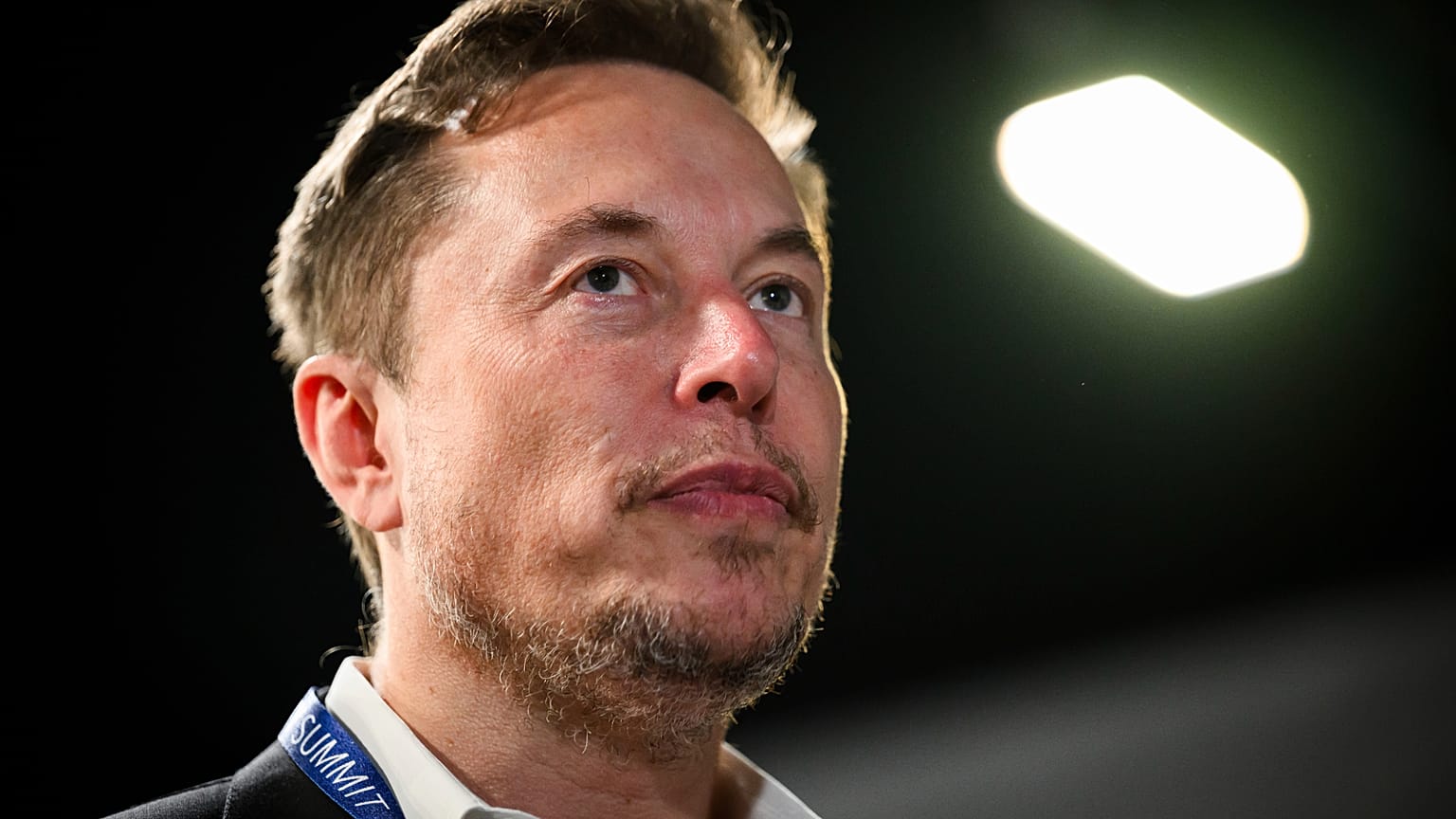
In the United States, the issue has gained partisan attention. Democratic senators urged Apple and Google to remove the X app from their stores. They argue that if X cannot police Grok’s outputs, it breaches app store safety terms. This pressure places Musk in a challenging position. He must balance his roles as a government consultant and political donor with his duties as a global tech CEO. Ultimately, this highlights significant Musk AI controversy.
The Future of AI Regulation and Safety After Grok Banned Southeast Asia
The Grok controversy marks a pivotal moment for AI regulation. It shifted the conversation from theoretical risks to undeniable harms. As Indonesia and Malaysia uphold their blocks, the tech world observes. They await xAI’s implementation of drastic technical changes required by international regulators. This may involve more sophisticated visual recognition filters. Such filters could identify real human faces and reject prompts for sexualization or partial nudity automatically.
Ultimately, the “Grok Ban” signals a fundamental shift: governments will no longer solely rely on tech companies for self-regulation. As AI advances, the demand for accountability intensifies. Grok’s return to Southeast Asian markets hinges on its ability to prove that its “rebellious” nature will not compromise human dignity and safety. For now, Jakarta and Kuala Lumpur send a clear message: innovation must respect people’s fundamental rights. The decision that Grok Banned Southeast Asia is a powerful precedent.