
Unveiling the Mobile Phone Tax Pakistan Mystery
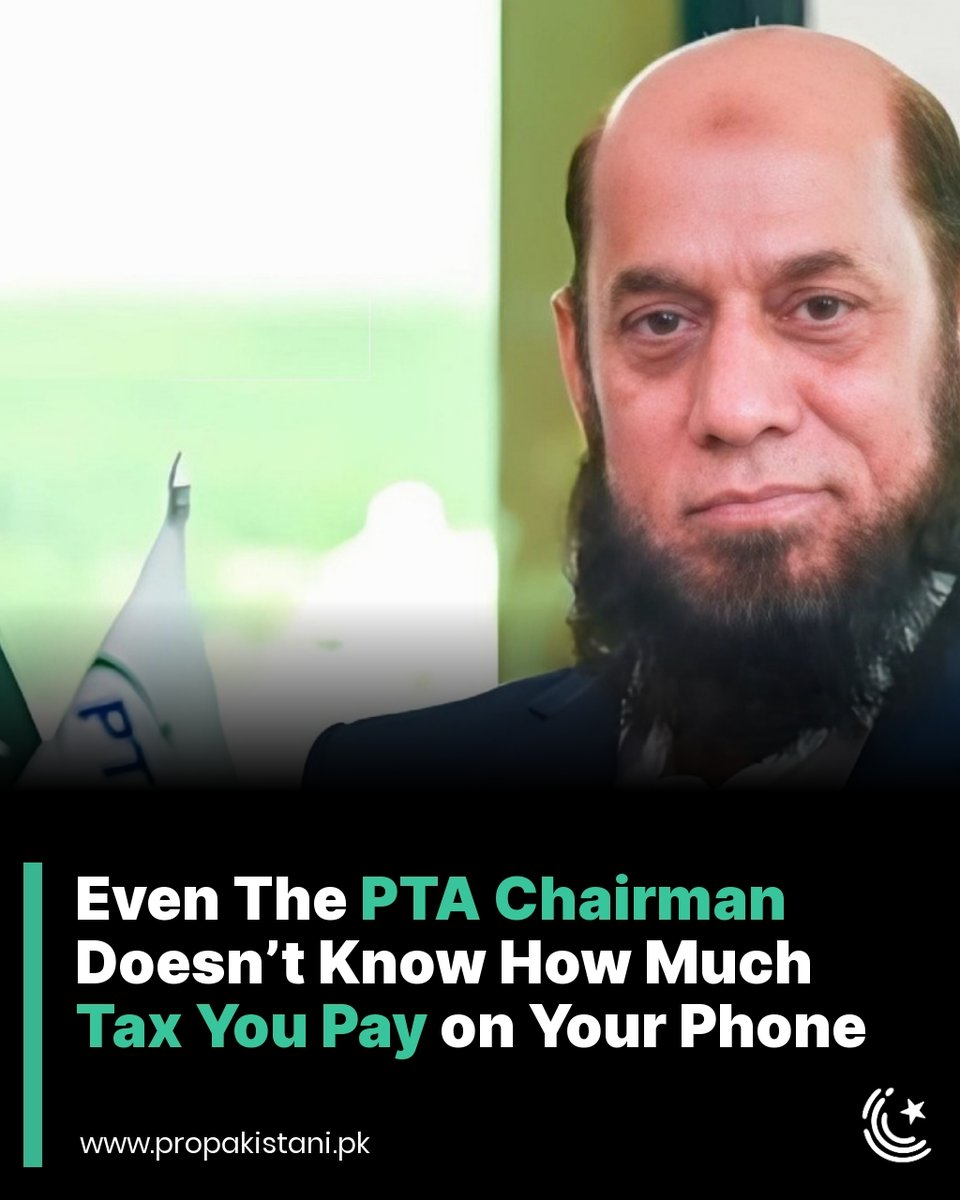
A recent revelation has stunned both lawmakers and the public. Hafeez Ur Rehman, Chairman of the Pakistan Telecommunication Authority (PTA), confessed he doesn’t know the exact mobile phone tax Pakistan breakdown. This surprising admission occurred during a Senate Standing Committee session. The committee primarily focused on mobile phone taxation complexities and their impact on the digital economy.

The Senate Standing Committee chairperson initiated an inquiry. He questioned concrete government plans to reduce the heavy tax burden on mobile handsets. Consumers have consistently vocalized concerns about soaring smartphone prices due to various duties. Consequently, the PTA chief’s response highlighted a significant gap in the country’s regulatory and collection framework, especially regarding the overall mobile phone tax Pakistan structure.
The Complex Reality of Mobile Phone Tax Pakistan
The PTA Chairman clarified the authority’s role. While the PTA manages device registration through DIRBS (Device Identification Registration and Blocking System), it does not collect taxes. “The PTA does not collect taxes on mobile phones,” he firmly stated. Instead, he explained, the Federal Board of Revenue (FBR) holds this responsibility. Furthermore, he emphasized the lack of transparency, noting that even he, as the head of the telecommunications regulator, lacks access to specific tax figures charged on individual mobile units. This highlights a core issue with telecom taxation Pakistan.
This admission exposes the sheer complexity of the taxation system. Currently, a single mobile phone faces multiple layers of taxation. These include Regulatory Duty (RD), Sales Tax, and Mobile Levy. According to National Assembly members, these taxes can cumulatively reach up to 66 percent of the phone’s original price. Such a steep percentage effectively doubles the cost for end consumers. Therefore, this makes technology largely inaccessible for a significant portion of the population. The impact of high mobile device taxes is undeniable.
Efforts for Tax Reduction, Excluding PTA
During the session, details emerged about a subcommittee. This body, led by Naveed Qamar, formed to address these high tax rates. National Assembly members had raised concerns regarding the affordability of mobile devices, prompting the committee’s creation. However, a surprising twist surfaced: the PTA, the very organization responsible for the sector’s growth, was not included in this subcommittee. This exclusion raises questions about policy coordination.

The PTA’s absence from tax-related policy discussions suggests a disconnect. It implies a gap between revenue collection goals and the broader vision of a “Digital Pakistan.” While the subcommittee aims to reduce the financial burden on users, a lack of input from the telecommunications regulator could fragment policies. Ultimately, such policies may fail to address the technical and market realities of the industry effectively. This hampers progress toward achieving digital Pakistan goals.
Financial Transparency: USF and Revenue Transfers
The meeting also covered broader financial management within the telecom sector. The PTA Chairman disclosed receiving Rs. 2 billion from a telecom company. This sum was immediately transferred to the Ministry of Information Technology. However, deeper issues emerged concerning the Universal Service Fund (USF). The USF aims to expand telecom services to underserved and rural areas. Critical questions arose regarding the management of USF funds Pakistan.
The CEO of the USF informed the committee of a massive financial discrepancy:
- Rs. 6 billion collected in 2013-14 remains unspent.
- The federal government took control of these funds, rather than utilizing them for infrastructure development.
- Currently, the government owes a staggering Rs. 42 billion to the USF.
This lack of funding directly hinders the expansion of 4G and 5G services in remote regions. Consequently, it further widens the digital divide across the country.
Conclusion: A Unified Approach for Mobile Phone Tax Pakistan
The Senate Standing Committee’s findings underscore a dire need for transparency and coordination among government bodies. When the head of the country’s telecom regulator remains unaware of device taxes, it signals a systemic failure. Ultimately, this failure penalizes the consumer. For Pakistan to achieve its digital transformation goals, the government must harmonize its taxation policies with its developmental objectives. This ensures that smartphones, the primary gateway to the internet, remain affordable for all. Urgent reforms are necessary to create a fair and transparent mobile phone tax Pakistan system.








