

The highly anticipated iPhone 18 Pro upgrades may not include the previously rumored smaller Dynamic Island. Recent intelligence indicates that the iPhone 18 Pro and iPhone 18 Pro Max models will maintain the current Dynamic Island design, a calibrated decision with potential implications for market positioning. This strategic retention contradicts earlier projections, suggesting a re-evaluation of immediate hardware integration for Apple’s next-generation flagship devices.
Previously, leaks had suggested Apple’s intent to reduce the Dynamic Island’s physical footprint by incorporating an under-display Face ID system. This advanced upgrade, however, appears to be deferred to a subsequent generation. Consequently, this shift mandates a closer examination of Apple’s developmental trajectory and component integration strategy.
The Translation: Deconstructing Design Decisions
Reports from sources like Digital Chat Station indicate that Apple is opting to retain the existing Dynamic Island architecture for the iPhone 18 Pro series. This means the visual interface element at the top of the display will remain consistent with the iPhone 17 Pro models. The expected transition to an under-display Face ID, which would significantly reduce the Dynamic Island’s size, is now postponed.
While no explicit rationale for this delay has been provided, industry analysis suggests a pragmatic approach to cost management. Component costs, particularly for memory, are experiencing upward trends. Integrating complex new hardware, such as an under-display Face ID, would inevitably escalate production expenses. Postponing this technology allows Apple to potentially stabilize retail pricing or preserve crucial profit margins in a dynamic market.
Design Consistency and Display Architecture
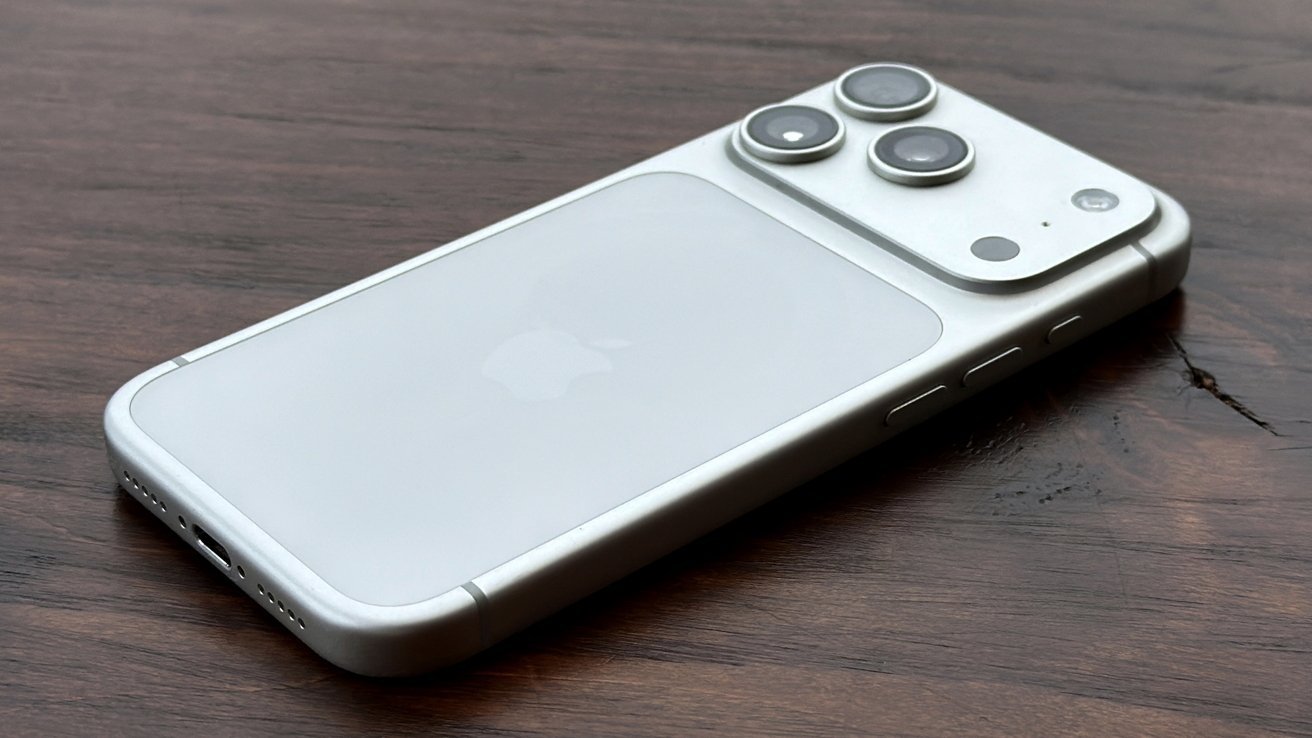
Furthermore, the latest data confirms that the display size and the overall screen design of the iPhone 18 Pro models will mirror those of the iPhone 17 Pro lineup. This structural consistency ensures familiarity for existing users while allowing engineering focus to shift towards internal enhancements rather than external aesthetic overhauls. This approach reflects a deliberate strategy to optimize performance within established form factors.
The Socio-Economic Impact: Calibrated Progress for Pakistan
For Pakistani citizens, particularly students and professionals, these design decisions have direct economic relevance. A delay in highly advanced, costly features like under-display Face ID could mean more stable device pricing. Consequently, this makes premium technology, including future iPhone 18 Pro upgrades, potentially more accessible to a broader segment of the population, reducing the financial barrier to acquiring state-of-the-art tools necessary for education and professional development.
The stability in design also implies a more predictable repair and accessory market, which benefits local businesses and consumers. Professionals relying on robust, proven device architectures for their work can anticipate a consistent user experience. This promotes efficiency and reduces the learning curve associated with radical design shifts, fostering a more stable technology ecosystem.

The Forward Path: A Strategic Stabilization Move
This development represents a “Stabilization Move” rather than an immediate “Momentum Shift.” Apple is strategically balancing innovation with market realities, prioritizing cost control and operational efficiency. While a smaller Dynamic Island would be a visually impactful enhancement, deferring it allows resources to be allocated towards other critical performance iPhone 18 Pro upgrades, such as processing power and camera capabilities.
This decision underscores a disciplined engineering approach, focusing on foundational improvements that offer tangible user benefits without immediately introducing high-cost, speculative design elements. It positions Apple to maintain competitive pricing, which is a structural advantage in emerging markets like Pakistan, while still delivering significant technological advancements under the hood.
Expected Hardware Upgrades: Precision Engineering
Despite the consistent external design, the next-generation devices are slated for substantial internal hardware enhancements. These represent the core of the anticipated iPhone 18 Pro upgrades, ensuring a significant performance leap. Key projected advancements include:
- A20 Pro Processor: The iPhone 18 Pro series is rumored to integrate Apple’s advanced A20 Pro processor. This chip, built on a cutting-edge 2nm manufacturing process, will deliver superior processing power and energy efficiency, setting a new performance baseline.
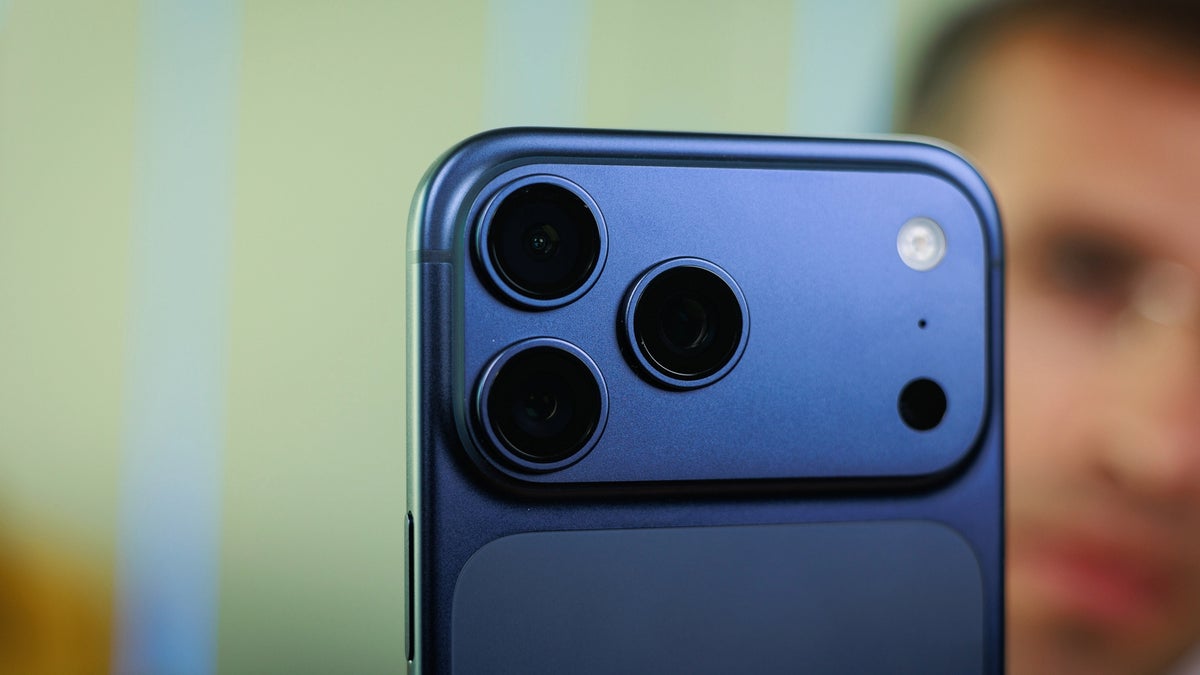
- Variable Aperture Camera System: The phones may also feature a sophisticated variable aperture camera system. This technology offers enhanced photographic flexibility, allowing for greater control over depth of field and low-light performance, thereby refining the imaging capabilities.
- Increased Battery Capacity: Battery longevity is also a critical focus. The Pro Max model is expected to incorporate a battery exceeding 5,000mAh. This significant increase will provide extended operational hours, crucial for demanding professional and personal use.
Launch Timeline and Future Prospects
Apple is expected to officially unveil the iPhone 18 Pro and iPhone 18 Pro Max in September. This launch event might also feature Apple’s inaugural foldable smartphone, complementing the significant iPhone 18 Pro upgrades. Some reports suggest this revolutionary device could be named the iPhone Fold or potentially the iPhone Ultra, signifying a bold expansion into new form factors and a strategic diversification of Apple’s mobile hardware portfolio. This represents a long-term architectural vision for the company.








