
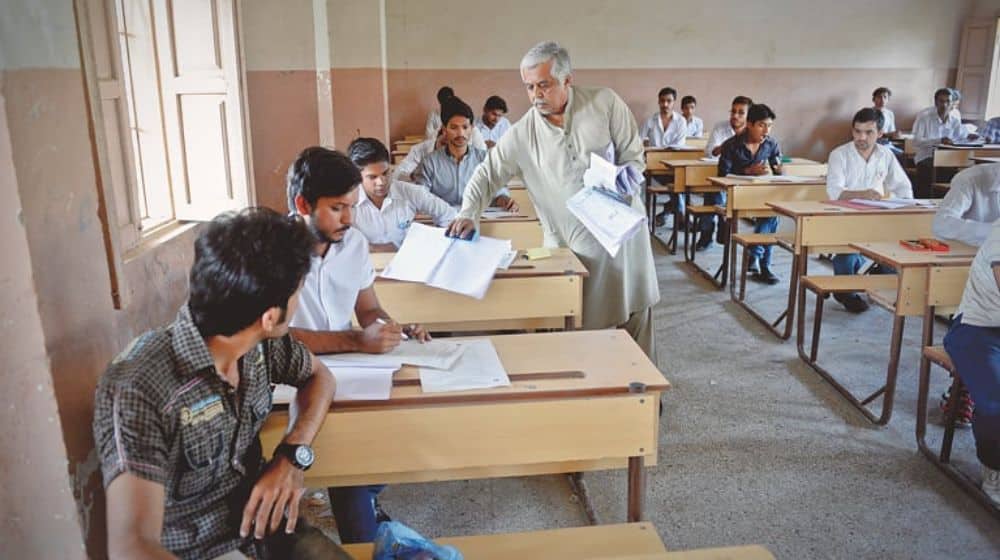
The integrity of Pakistan’s educational system is a foundational element for national advancement. Consequently, the Board of Intermediate and Secondary Education Rawalpindi (BISE Rawalpindi) has initiated a structural overhaul for the matriculation first annual examinations 2026, commencing March 27. These calibrated measures, strategically focused on bolstering Rawalpindi Exams Security, include comprehensive CCTV installation and mandatory biometric verification. This dual-pronged approach aims to eradicate impersonation, thereby ensuring absolute transparency and equitable assessment throughout the examination process.
Optimizing Academic Integrity: The Translation of Rawalpindi Exams Security Measures
The implementation of these advanced protocols represents a significant upgrade in examination oversight. Specifically, the board will deploy CCTV cameras across all designated examination centers. This continuous online monitoring system provides real-time observation, meticulously documenting proceedings and deterring any attempts at malfeasance. Furthermore, the introduction of biometric verification for every candidate establishes an irrefutable link between the registered student and the individual appearing for the exam. This system precisely confirms identity, making it structurally impossible for unauthorized persons to sit in place of actual students. Commissioner Rawalpindi and Chairman BISE Rawalpindi, Amir Khattak, has rigorously directed authorities to operationalize these systems, particularly in high-priority examination centers across the Rawalpindi Division, underscoring the imperative for discipline and merit.
Socio-Economic Impact: Calibrated Fairness for Every Pakistani Student
These enhanced Rawalpindi Exams Security measures directly impact the daily lives of Pakistani citizens, from urban centers to rural communities. For students, this translates into a more equitable competitive landscape. They can pursue their academic goals with greater confidence, knowing that their hard work will be evaluated fairly, uncompromised by fraudulent activities. Consequently, this reduces the psychological burden associated with unfair practices, fostering a more positive and merit-driven learning environment. For parents, the new system instills increased trust in the educational framework, validating their investment in their children’s futures. Ultimately, by safeguarding the examination process, BISE Rawalpindi contributes to a baseline of educational reliability, which is critical for developing skilled professionals and future leaders across Pakistan.
The Forward Path: A Momentum Shift in Educational Governance
This strategic move by BISE Rawalpindi represents a distinct momentum shift rather than merely a stabilization move. The proactive integration of advanced technological solutions like biometric verification and widespread CCTV surveillance transcends routine maintenance. Instead, it signifies a progressive commitment to modernizing examination governance and elevating academic standards. This forward-thinking approach establishes a new benchmark for transparency and accountability within the Pakistani education system. Consequently, it acts as a catalyst for systemic improvements, encouraging other boards to adopt similar precision-driven protocols. This advancement is foundational for cultivating a generation of capable, ethically grounded individuals essential for Pakistan’s sustained development.








