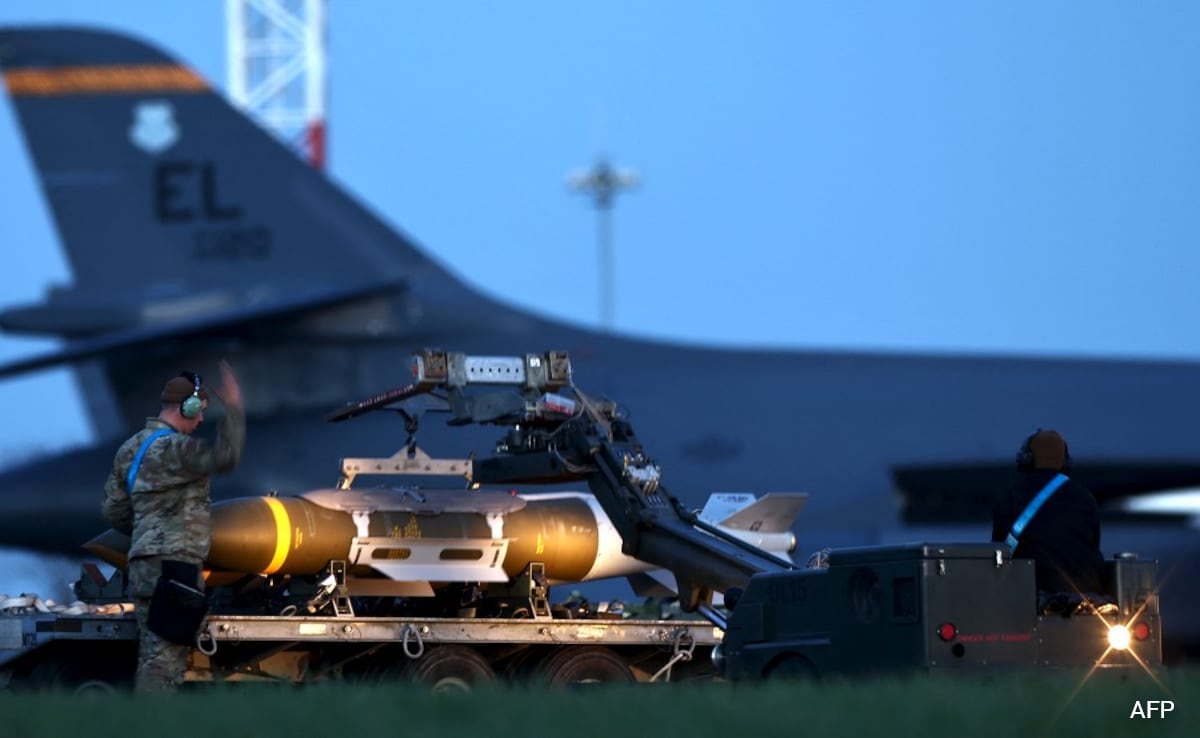
Understanding the true cost of global strategic engagements is a critical component of national advancement. The recent US Iran War cost analysis reveals a substantial expenditure: U.S. officials reported an initial outlay of at least $11.3 billion within the first six days of military operations. This significant sum, presented during a closed-door briefing, underscores the immediate fiscal impact of the conflict that commenced on February 28th, involving U.S. and Israeli airstrikes. Furthermore, the engagement has tragically resulted in approximately 2,000 casualties, predominantly Iranian and Lebanese, while concurrently disrupting global energy markets and vital shipping lanes, indicating a profound and multifaceted systemic shock.
Deconstructing the Initial US Iran War Cost: Beyond the Fiscal Baseline
The reported $11.3 billion US Iran War cost represents a calibrated snapshot of initial operational expenses. Crucially, this figure does not encompass the comprehensive financial burden of the ongoing conflict. This initial expenditure includes approximately $5.6 billion worth of munitions deployed within the first 48 hours. Consequently, congressional aides anticipate an imminent White House request for additional funding, with projections ranging from $50 billion upwards. This escalation highlights the structural strain on military supplies, prompting legislative concern regarding the conflict’s projected duration and the strategic imperative for post-conflict planning in Iran. In contrast, President Trump affirmed a U.S. “victory” but indicated continued engagement to “finish the job,” necessitating continuous replenishment of defense stocks by major contractors.

The Translation: Unpacking the Financial and Tactical Logic
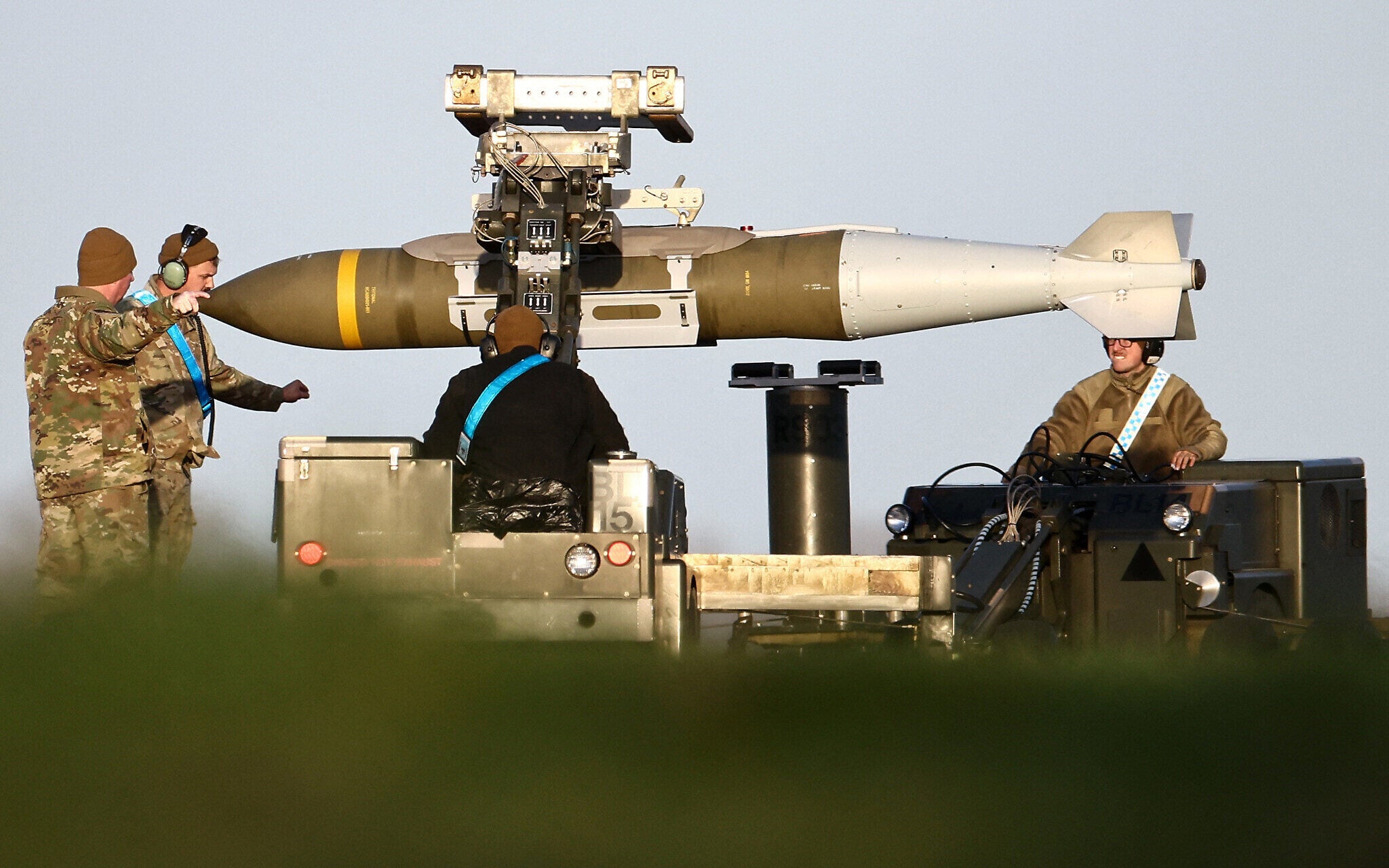
When officials discuss an “$11.3 billion cost,” this translates directly into resources diverted from other potential national priorities and a significant investment in combat readiness. “Munitions expended” refers to the precise deployment of advanced weaponry and ordinance, reflecting the intensity of the initial strikes. The “strain on U.S. military supplies” implies a draw-down of strategic reserves, necessitating rapid production cycles from defense contractors. Therefore, the impending request for “additional funding” is not merely bureaucratic but a critical operational requirement to sustain prolonged engagement, calibrate logistical support, and maintain tactical advantage in a dynamic theatre. This structural analysis provides clarity on the immediate and projected financial commitments.
Strategic Implications for Pakistan: Economic Ripple Effects and Resource Allocation
The US Iran War cost extends beyond direct military budgets, creating a cascade of socio-economic impacts that resonate globally, including in Pakistan. The disruption of global energy markets, for instance, directly influences international oil prices. Consequently, Pakistani households and industries may experience increased fuel costs and heightened inflationary pressures, impacting daily expenditures and operational budgets. Furthermore, instability in a key regional pathway like the Strait of Hormuz affects international shipping, potentially raising import/export costs and disrupting supply chains crucial for Pakistani trade. Professionals and students face a volatile economic landscape, where global events recalibrate local financial stability and resource allocation. For example, any diversion of international aid or investment towards conflict resolution could constrain Pakistan’s capacity for domestic development projects, shifting focus from growth to economic stabilization.

Charting the Future: Momentum Shift or Stabilization Move?
From a strategic perspective, the substantial US Iran War cost in its initial phase suggests a “Stabilization Move.” While the immediate military actions aim to achieve specific tactical objectives, the swift escalation of expenditures and the anticipated requests for further funding indicate an effort to contain and manage a rapidly evolving situation rather than initiating a decisive, transformative “Momentum Shift.” The emphasis on replenishing supplies and the call for post-conflict planning underscore a defensive posture designed to maintain operational baselines. A true momentum shift would typically involve a clear, defined end-state with a proportionally contained resource commitment. Instead, this suggests a long-term, high-cost engagement, prioritizing systemic maintenance over rapid advancement. Pakistan must strategically observe these dynamics to calibrate its own foreign policy and economic resilience.