

In a decisive move for global system efficiency, the International Energy Agency (IEA) and its member states have initiated an unprecedented global oil release of 400 million barrels from strategic reserves. This structural intervention aims to stabilize volatile energy markets, which are currently experiencing significant disruption due to escalating geopolitical tensions impacting critical shipping lanes. Consequently, this emergency measure, the largest coordinated deployment in the IEA’s history, underscores a strategic imperative to ensure energy supply continuity.
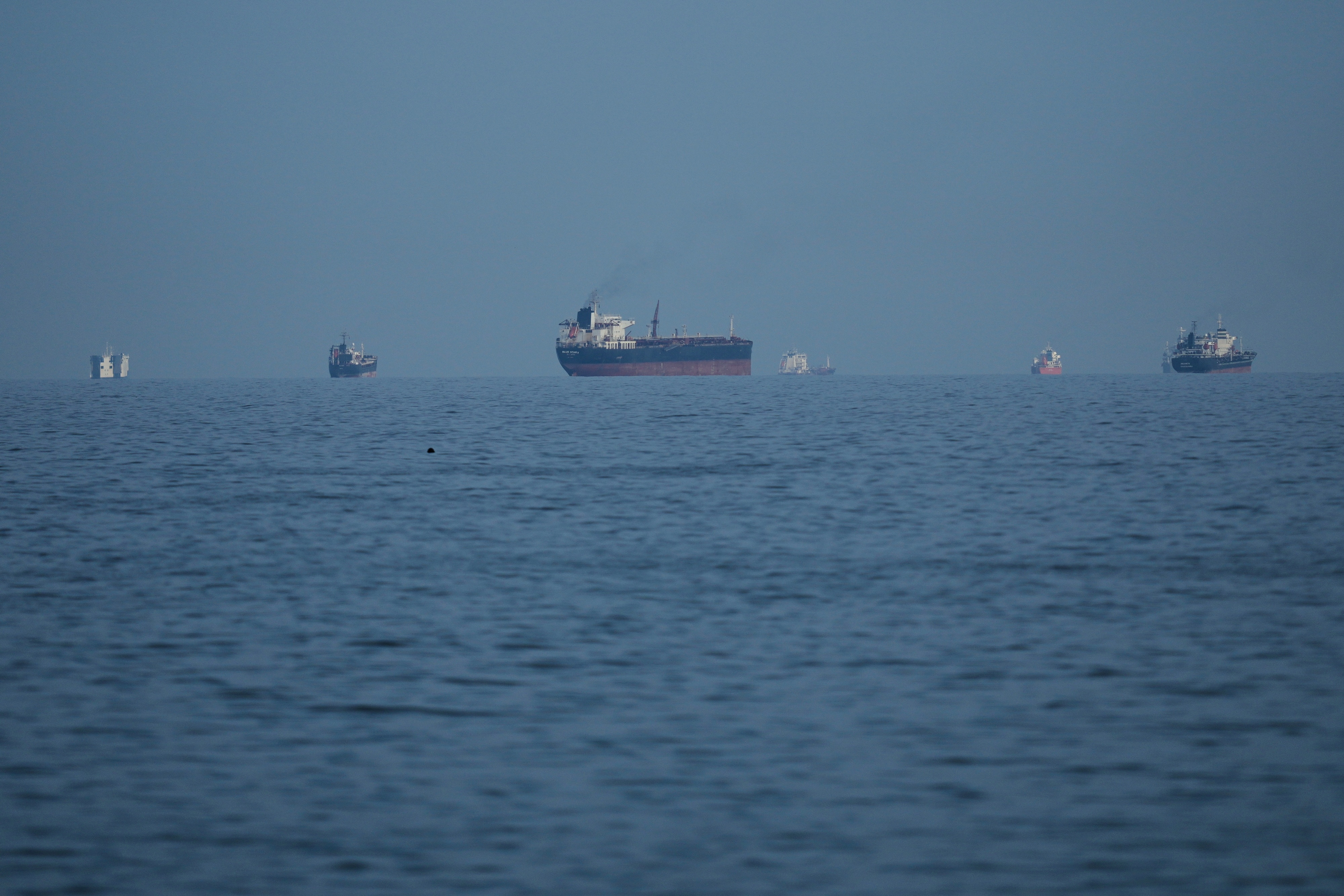
This action marks only the sixth time such reserves have been activated since the IEA’s inception following the 1970s oil crises. Furthermore, the decision directly addresses the recent substantial slowdown in tanker movements through the Strait of Hormuz, a critical choke point for global crude supply. Major energy consumers like China and India, IEA association partners, are meticulously monitoring these market developments.
The Translation: Calibrating Market Stability
The International Energy Agency (IEA) functions as a global energy watchdog, guiding member nations on energy policy and security. Its 32 member states, including economic powerhouses like the United States, Japan, and European economies, maintain strategic petroleum reserves specifically for emergency situations. This collective global oil release of 400 million barrels signifies a calculated effort to inject a substantial volume of crude into the market, directly counteracting supply shortages. These reserves act as a crucial buffer against geopolitical shocks.
The Strait of Hormuz is a narrow waterway linking the Persian Gulf with the Arabian Sea, through which a significant portion of the world’s oil supply transits daily. Heightened military tensions in the Gulf region have demonstrably slowed these vital tanker movements. Therefore, the IEA’s coordinated action directly addresses the physical supply disruption, aiming to mitigate price surges that arise from perceived scarcity.

Oil markets have exhibited extreme volatility since the recent geopolitical intensification. Prices soared from approximately $70 per barrel to nearly $120 amidst peak supply fears. Subsequently, prices eased towards the $90 range as diplomatic efforts gained traction. This proactive global oil release seeks to inject predictability into these fluctuating prices, offering a baseline for market participants. The United States notably commands the largest government-controlled crude stockpile, its Strategic Petroleum Reserve holding around 415 million barrels.

Understanding Strategic Petroleum Reserves
- Purpose: Strategic Petroleum Reserves provide an emergency supply of crude oil to mitigate severe market disruptions.
- Coordination: The IEA coordinates releases among member states, ensuring a unified and impactful market intervention.
- Capacity: Member countries maintain reserves far exceeding daily consumption needs, offering substantial economic safeguards.
- Impact: Releases are designed to calm markets, prevent extreme price spikes, and ensure a stable energy supply for industries and consumers.
The Socio-Economic Impact: Stabilizing Pakistani Households
For the average Pakistani citizen, the implications of this global oil release are primarily economic. A stable global oil price translates directly into more predictable domestic fuel costs. Given Pakistan’s significant reliance on imported oil, sustained high international prices directly fuel inflation, increasing transportation costs for goods and services. Consequently, this affects the daily budgets of urban families and the operational costs for rural farmers reliant on diesel for agricultural machinery.

Students and professionals in urban centers, who depend on public and private transport, would experience relief from soaring fuel prices. Businesses, large and small, benefit from reduced input costs, potentially fostering greater economic activity and protecting employment. Conversely, uncontrolled price volatility can trigger economic uncertainty, impeding investment and development projects crucial for Pakistan’s progress. This release, therefore, acts as a critical economic stabilizer, promoting fiscal predictability.
Direct Effects on Pakistan
- Fuel Prices: Moderated international oil prices can lead to stable or reduced domestic petrol and diesel rates.
- Inflation Control: Lower energy costs can help curb overall inflation, protecting purchasing power for households.
- Business Costs: Reduced operational expenses for industries translate to more competitive pricing and potential growth.
- Energy Security: A predictable global supply enhances Pakistan’s national energy security planning and resource allocation.

The “Forward Path”: A Strategic Stabilization Move
This coordinated global oil release is unequivocally a Stabilization Move. While significant, it does not represent a fundamental shift in geopolitical dynamics or long-term energy supply structures. Instead, it is a highly calibrated tactical response designed to mitigate immediate market disruptions and prevent cascading economic instability. The IEA is essentially applying a precise counter-measure to external volatility.
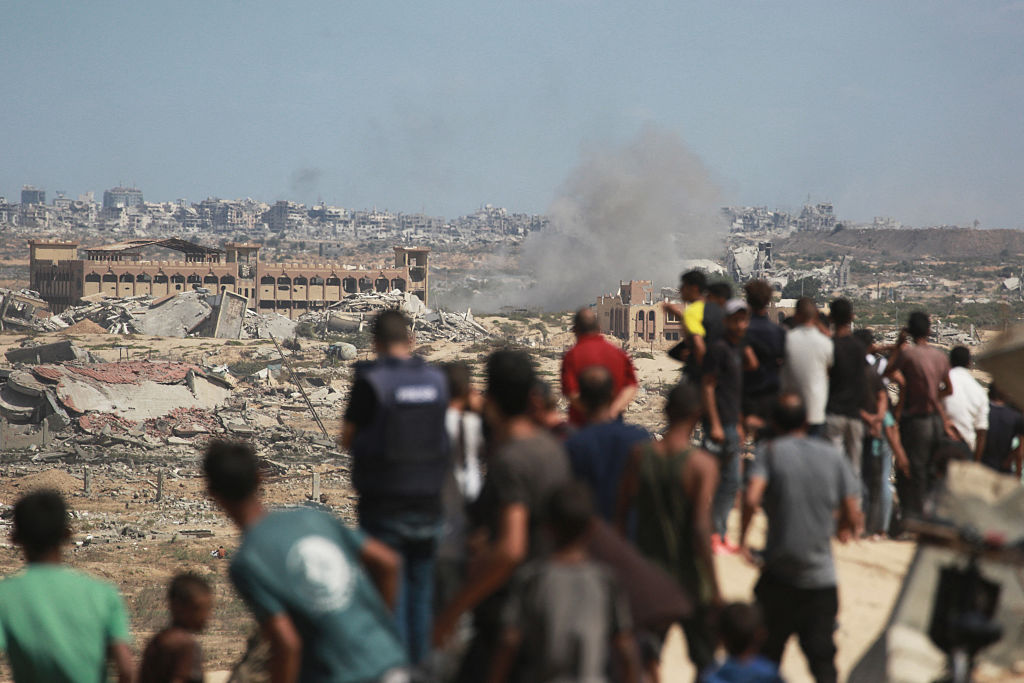
This action buys time. It provides a crucial window for diplomatic efforts to de-escalate tensions and for alternative supply routes or energy diversification strategies to be explored with greater urgency. However, without resolving the underlying geopolitical conflicts in the Gulf, the reliance on such emergency releases will persist. Pakistan, therefore, must view this not as a solution, but as an essential temporary measure that reinforces the need for robust, long-term energy security strategies, emphasizing diversification and indigenous resource development.

Long-Term Energy Strategy for Pakistan
- Diversification: Investing in renewable energy sources to reduce reliance on imported fossil fuels.
- Efficiency: Implementing energy-saving measures across industrial and domestic sectors.
- Strategic Partnerships: Cultivating strong international relationships to secure stable energy supply chains.
- Domestic Exploration: Intensifying efforts to discover and extract indigenous oil and gas reserves.









