

Understanding Pakistan’s Chicken Price Surge
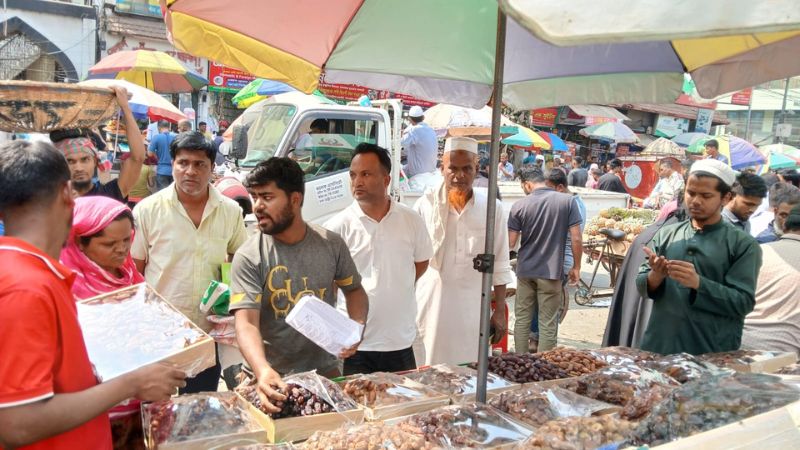
Pakistan is currently experiencing a significant chicken price surge, with retail broiler chicken prices escalating to Rs504 per kilogram, reflecting an increase of Rs7 per kilogram. This calibrated adjustment places a substantial strain on household budgets, particularly for middle and lower-income families navigating the Ramadan period. Market experts pinpoint increased seasonal demand and constrained supply as primary drivers behind this inflationary trend, impacting consumer purchasing power.
The Translation: Decoding Market Dynamics and the Chicken Price Surge
The current market data reveals a structural disconnect between supply and demand, exacerbating price volatility. Specifically:
- Farm Rate (Live Broiler): Rs320/kg
- Wholesale Rate: Rs334/kg
- Retail Rate: Rs348/kg (as reported in previous period, now Rs504/kg)
This differential indicates a rapid escalation at the retail level, outpacing initial farm and wholesale costs. Consequently, the rapid increase signals market inefficiencies and speculative practices rather than a gradual supply-demand equilibrium adjustment. The market committee has strategically advised consumers to actively avoid inflated prices and source their purchases exclusively from authorized vendors to mitigate financial exploitation.
Socio-Economic Impact: Daily Life and Household Budgets
This sustained inflationary pressure fundamentally alters the daily fiscal landscape for Pakistani citizens. For students and professionals, reduced disposable income directly impacts dietary choices and discretionary spending. Furthermore, salaried households face intensified pressure, often compelling middle-class families to implement severe cutbacks on other essential expenditures to maintain budgetary stability. The ripple effect extends to rural communities where economic resilience is often lower, intensifying the burden on their limited resources. Analysts project a potential decline in aggregate purchasing power if this economic trajectory persists, necessitating strategic interventions to safeguard household financial well-being.
The Forward Path: A Stabilization Move for Market Efficiency
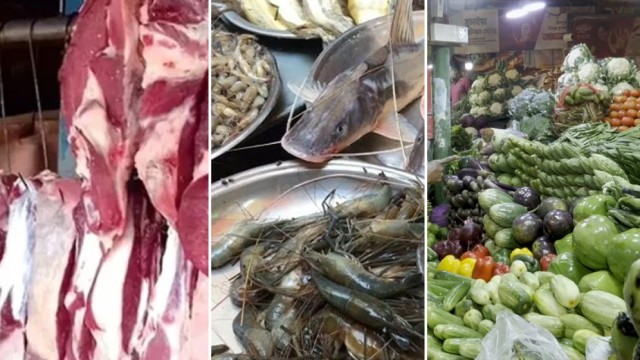
This current scenario represents a Stabilization Move rather than a Momentum Shift. While demand during Ramadan is predictably elevated, the magnitude of the price increase indicates underlying systemic vulnerabilities in supply chain management and market regulation. A structural recalibration is imperative. Therefore, strategic policy adjustments are required to enhance supply chain transparency, strengthen regulatory oversight, and ensure equitable pricing mechanisms. This will protect consumers and foster a more resilient and predictable market environment, ensuring long-term food security and economic stability for the nation.








