

Calibrating Progress: Equal Wages & Benefits for Sindh Agriculture Women
Sindh has strategically enacted the Sindh Agriculture Women Workers Rules, a foundational initiative ensuring equal wages, maternity benefits, and protection against harassment for Sindh agriculture women across farming, livestock, and fisheries sectors. This calibrated measure formally recognizes the invaluable contributions of women, signifying a structural advancement in worker rights and economic equity. Supported by the International Labor Organization, this framework introduces the Benazir Women Agriculture Workers Card and allocates a significant Rs500 million endowment fund for worker welfare, underscoring a precise commitment to social justice and national advancement.
The Translation: Securing Economic Parity
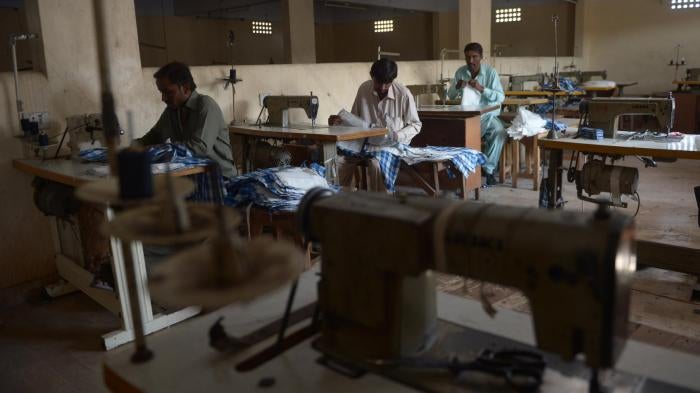
This legislative action translates into a formalized recognition of women’s labor within critical economic sectors. Historically, women agriculture workers have faced systemic inequalities, including wage disparities and lack of social protection. Consequently, these new rules establish a legal baseline for fair compensation and essential benefits, dismantling previous informal structures. This initiative provides a tangible framework for maternity benefits agriculture, ensuring that women receive necessary support during crucial life stages without compromising their economic stability or job security. Furthermore, it explicitly addresses protection against harassment, fostering safer and more equitable working environments across Sindh.
Socio-Economic Impact: Uplifting Rural Households
For Pakistani citizens, particularly in rural and semi-urban areas, these reforms represent a direct uplift. Sindh Agriculture Women, who form a substantial part of the agricultural workforce, will now experience enhanced financial security through equal wages Pakistan and guaranteed maternity leave. This directly impacts household incomes, improving living standards and access to education and healthcare for their families. Students, whose mothers are agricultural workers, will benefit from improved household stability. Professionals, observing this legal precedent, will witness a progressive shift in labor policies, potentially inspiring similar reforms in other sectors. This strategic intervention strengthens the foundational economic fabric of countless households.
Advancing Digital Infrastructure: A New Baseline for Education
Beyond agricultural reforms, the Sindh cabinet has also approved the Student Attendance Monitoring and Redress System (SAMRS). This digital platform is designed to precisely track school attendance and enrollment across the province. Consequently, SAMRS will systematically monitor student absenteeism, enabling targeted interventions such as counseling and peer support. This crucial educational initiative aims for full implementation across Sindh within one year, establishing a new baseline for accountability and student engagement.
The Translation: Data-Driven Educational Efficiency
SAMRS introduces a critical layer of data-driven efficiency into Sindh’s education system. Traditionally, manual attendance recording could be inconsistent, hindering effective identification of at-risk students. In contrast, this digital attendance system provides real-time, actionable insights into student engagement. The logic is simple yet powerful: by precisely identifying attendance patterns, educators and administrators can proactively address the root causes of absenteeism, whether socio-economic or academic. This systemic approach is a catalyst for improving educational outcomes and ensuring equitable access to learning opportunities.

Socio-Economic Impact: Empowering Students and Families
The implementation of SAMRS will profoundly impact students and their families. For students, consistent attendance fostered by this system directly correlates with improved academic performance and future prospects. Parents, especially those in remote areas, will benefit from increased transparency regarding their children’s school attendance, allowing for better collaboration with schools. This digital attendance system acts as a structural safeguard, ensuring that every child has the opportunity to complete their education, ultimately strengthening the human capital of Pakistan. Furthermore, it creates a more accountable educational ecosystem for all stakeholders.
Strategic Infrastructure & Economic Refinements
Several other calibrated decisions further underscore Sindh’s commitment to strategic development:
- The Sindh Development and Maintenance of Infrastructure Cess (Second Amendment) Act, 2026, streamlines funding for vital industrial and transport infrastructure. This ensures more efficient resource allocation for critical projects.
- Expansion of the wheat release policy to private traders aims to stabilize crucial commodity prices, consequently benefiting consumers and ensuring food security.
- A four-acre land allotment in Malir for a nursing school, linked to Hasan Suleman Memorial Hospital, along with an additional $7.6 million for hospital expansion, represents a significant investment in healthcare infrastructure and human resource development.
- Key institutional and judicial appointments, including Justice (Retd) Irshad Ali Shah as chairperson of the Sindh Revenue Board Appellate Tribunal, ensure the structural integrity of governance and legal frameworks.

The “Forward Path”: A Momentum Shift
These comprehensive reforms, particularly those empowering Sindh agriculture women and modernizing education, collectively represent a significant Momentum Shift. The focus on formalizing rights, implementing digital efficiency, and strategically investing in human and physical infrastructure moves beyond mere maintenance. This is a foundational re-calibration of provincial policy, designed to unlock latent potential and drive sustained, equitable growth across Pakistan. It indicates a clear, forward-thinking trajectory for systemic improvement and national advancement.








