
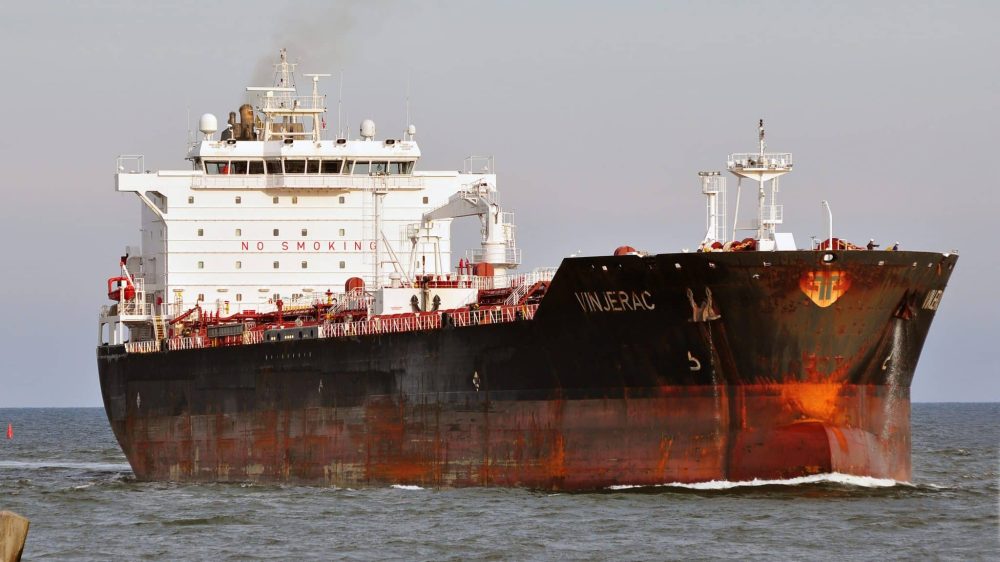
Strategic foresight in energy logistics has decisively averted a critical fuel shortage. Pakistan has successfully secured a robust 30-day Pakistan oil supply, ensuring uninterrupted availability of petroleum products across the nation. This calibrated intervention, involving the rapid arrival of multiple oil tankers, underscores the government’s proactive emergency energy planning during geopolitical complexities. Consequently, a potential nationwide fuel crisis has been structurally mitigated, stabilizing the domestic market.
The Translation: Deconstructing Pakistan’s Energy Resilience
The operational mechanics behind averting this crisis involved precise coordination and significant logistical deployment. Sources indicate that emergency energy supply planning enabled this swift response. Furthermore, a total of four oil tankers, collectively carrying over 250,000 metric tons of petroleum products, have been instrumental. Three of these vessels have already docked, with the final tanker expected imminently.
These crucial shipments originated from diverse international sources, including Saudi Arabia, Fujairah, Kuwait, and Singapore. Significantly, the cargo utilized alternative, de-risked routes, thereby bypassing geopolitically sensitive shipping lanes like the Strait of Hormuz. This strategic routing ensured the secure and timely delivery of essential Pakistan oil supply, bolstering national energy security.
.jpeg)
Precision in Port Logistics: Managing Influx
At Port Qasim, a critical national asset, the management of these incoming vessels demonstrates high operational efficiency. The gas tanker MT Torum has effectively anchored at the Damini Futco terminal. Similarly, MT Navey Atropos arrived on March 9, precisely delivering 50,000 metric tons of oil. Moreover, MT Spruce II was scheduled for anchoring on March 10 with 55,000 metric tons, and MTC Clipper on March 11, carrying 34,000 metric tons. These sequential arrivals are foundational to maintaining steady fuel distribution nationwide.
The Socio-Economic Impact: Stabilizing Daily Life
The successful securing of Pakistan oil supply translates directly into tangible benefits for every Pakistani citizen. Uninterrupted fuel availability ensures the continuity of daily commutes for professionals and students alike. Economically, this stability safeguards supply chains, preventing price surges in goods and services that rely on transportation. For households, it means consistent access to essential utilities and services, buffering against the inflationary pressures a fuel crisis would precipitate. This intervention structurally supports both urban and rural economic activities, fostering predictable daily routines.

The Forward Path: A Stabilization Move
This development represents a critical Stabilization Move for Pakistan. While not a fundamental shift in long-term energy independence, it is a precisely calibrated response to immediate systemic vulnerabilities. The reliance on diversified international sources and flexible routing methodologies highlights an adaptive capacity in energy procurement. Going forward, the strategic imperative remains to transition from crisis management to establishing a more resilient, domestically sourced energy baseline. This incident, therefore, serves as a crucial data point for future policy calibration, reinforcing the need for sustained investment in local energy infrastructure and alternative energy integration.








