
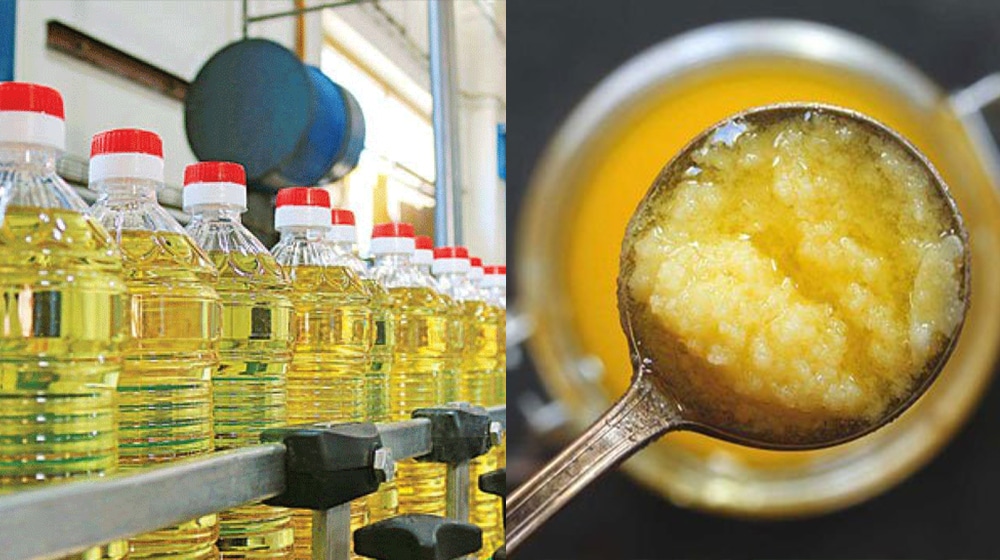
Pakistan’s strategic commodity reserves currently ensure a stable supply of ghee and edible oil for the next two months. Despite escalating geopolitical tensions, robust industrial preparedness and ongoing import consignments solidify the nation’s Pakistan edible oil supply chain, safeguarding essential household consumption. This proactive approach mitigates potential disruptions, ensuring baseline food security for the populace.
The Translation: Calibrated Stability in Food Commodities
Industry representatives unequivocally confirm Pakistan possesses sufficient stocks of ghee and edible oil. This meets the nation’s domestic demand for a two-month horizon. Furthermore, the Pakistan Vanaspati Manufacturers Association (PVMA) Chairman, Sheikh Umer Rehan, recently affirmed the country’s supply chain remains resilient. This assessment stands firm despite the uncertain regional environment, specifically following recent international conflicts.
He specifically detailed that local manufacturers maintain ample supplies of both raw materials and finished products. Consequently, there is no immediate risk of commodity depletion. Several significant import consignments are presently underway, which are strategically poised to further strengthen the national Pakistan edible oil supply situation. This systematic replenishment strategy underscores a disciplined approach to national resource management.

Operationalizing Supply Chain Resilience
Rehan delineated the logistical precision involved. Multiple shipments of edible oil and oilseeds are actively en route to Pakistan via established maritime routes. These critical consignments are projected to arrive at various national ports according to their predetermined timelines. Upon arrival, these vital resources will undergo prompt processing. Subsequently, they will be supplied efficiently to local industries and distributed across the market, maintaining seamless availability.
The Socio-Economic Impact: Ensuring Household Stability
The assured stability in ghee and edible oil supplies directly impacts the daily lives of Pakistani citizens. For urban and rural households alike, this translates to predictable access to essential cooking commodities. Consequently, families can plan their budgets with greater certainty, shielded from sudden price fluctuations or shortages. This security is particularly critical for students managing limited allowances and professionals striving for stable household economics.
Furthermore, consistent availability reduces market speculation and panic buying, fostering a calm economic environment. It empowers local businesses, from small grocers to larger food industries, to maintain operations without disruption. This structural stability in fundamental food items forms a critical baseline for broader economic confidence and overall societal well-being. Therefore, it is a foundational element for national progress.
The ‘Forward Path’: A Stabilization Move with Momentum Potential
This development fundamentally represents a Stabilization Move. It effectively maintains the current baseline for food security by ensuring continued supply amidst external pressures. While critical for immediate national well-being, true ‘Momentum Shift’ requires a more profound structural transformation. This would involve a calibrated strategy to enhance domestic oilseed production and diversify international procurement channels.
Nevertheless, the industry’s proactive communication and logistical orchestration demonstrate a commendable degree of operational efficiency. This foundational stability provides a strategic window. It allows for the development of long-term policies aimed at reducing import dependency and building truly resilient, self-sufficient food systems. Pakistan must leverage this moment to architect a more robust future for its essential commodity supplies.








