
Optimizing Urban Landscapes: The Transformation of Karachi
Pakistan’s urban infrastructure is undergoing a calibrated enhancement, strategically converting former waste sites into vibrant public green spaces. The Sindh Solid Waste Management Board (SSWMB) is systematically transforming Karachi’s unsightly garbage dumping sites into essential Karachi green belts, significantly improving urban aesthetics and public health. This strategic initiative targets cleaner environments and sustainable urban development, focusing on reclaiming public land for community benefit. Furthermore, these efforts underscore a commitment to ecological restoration and enhanced liveability within the metropolis.
The Translation: Reclaiming Public Land for Progress
Traditionally, urban expansion in many Pakistani cities led to unregulated waste disposal, creating significant environmental and public health challenges. The SSWMB’s current drive represents a structural shift from passive waste accumulation to active environmental reclamation. This means areas previously blighted by debris and pollution are now systematically cleared, remediated, and redeveloped. Consequently, these transformed zones become valuable ecological assets, contributing to improved air quality and biodiversity within the city. This precise intervention fosters a healthier urban ecosystem.

Strategic Implementation: Case Studies in Urban Renewal
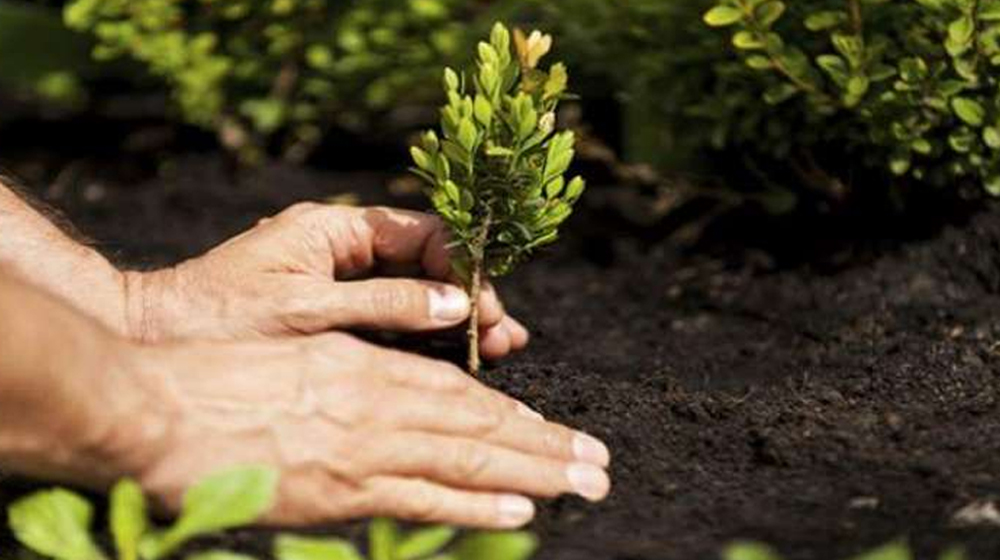
The SSWMB recently executed a notable transformation on Textile Avenue Road, near Jamia Binoria in the Sindh Industrial Trading Estate (SITE), District Keamari. This site, once a prominent garbage dumping point, now flourishes as a dedicated Karachi green belts. The rigorous cleanup process involved removing vast quantities of accumulated debris, followed by a comprehensive plantation drive. Workers introduced various plants and flowers, not only enhancing visual appeal but also establishing a natural deterrent against future illegal dumping. Moreover, local industrial leaders, including Saleem Nagaria of FABKNIT Company, actively supported this initiative, demonstrating crucial community engagement.
The Socio-Economic Impact: Enhancing Daily Life in Pakistan
How does this change the daily life of a Pakistani citizen? For urban households, particularly those in areas adjacent to former dumps, the transformation directly impacts health and well-being. Reduced exposure to waste-borne diseases, improved air quality, and the elimination of unpleasant odors enhance living conditions. Students gain access to cleaner, more aesthetically pleasing environments, potentially fostering a greater appreciation for civic responsibility and environmental stewardship. Professionals benefit from a more organized and cleaner cityscape, reflecting a progressive urban management paradigm. These developments contribute to a higher baseline quality of life for all residents, from urban centers to industrial zones.
The Forward Path: A Momentum Shift for Karachi’s Environment
This development represents a Momentum Shift. SSWMB Managing Director Tariq Ali Nizamani articulates a clear resolution: “We have resolved to turn garbage dumps into gardens. Illegal dumping points are being gradually eliminated and replaced with green belts and plantations to promote a clean, green, and environmentally friendly Karachi.” Furthermore, Assistant Director SITE Zone Ghulam Nabi confirms ongoing operations, citing another successful conversion near Naurus Chowrangi. This systematic approach to waste management and urban beautification is a catalyst for sustained environmental progress. It demonstrates a strategic commitment to transforming Karachi’s ecological footprint, laying a structural foundation for future sustainable urban growth. Citizen and industrial cooperation remain paramount for sustaining these vital efforts.

Strengthening Waste Management Systems
SSWMB officials affirm their continued dedication to fortifying the city’s waste management infrastructure. This commitment extends beyond converting existing dumps; it encompasses a holistic approach to cleanliness across Karachi. Precision in waste collection and disposal, coupled with public awareness campaigns, forms the bedrock of this strategy. Ultimately, these measures aim to cultivate a resilient, clean, and environmentally conscious urban environment, setting a precedent for national advancement in waste management practices.








