
Punjab’s Precision Move: Launching the Online E-Stamp System
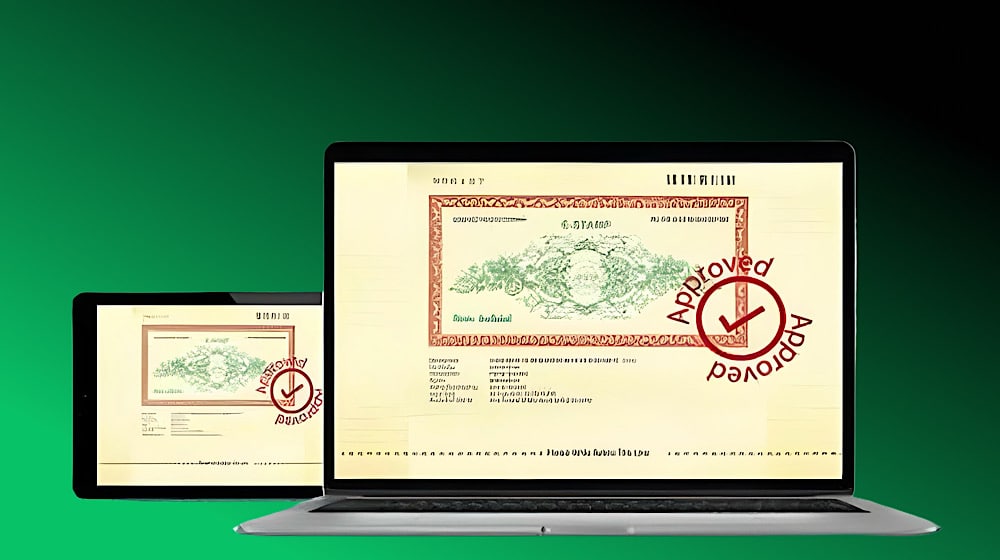
The Punjab government has strategically initiated a profound system upgrade, officially launching the new Punjab e-stamp system. This pivotal digital reform, overseen by the Board of Revenue, precisely eliminates traditional security stamp papers, fundamentally reshaping public interaction with governmental services. Citizens can now complete stamp duty payments and acquire official e-stamps entirely online, bypassing the previous mandate for physical bank visits. This calibrated move represents a significant step towards a more efficient and transparent digital infrastructure for the province.
System Architecture: Deconstructing the Online E-Stamp Process
Operational Shift: From Physical to Digital
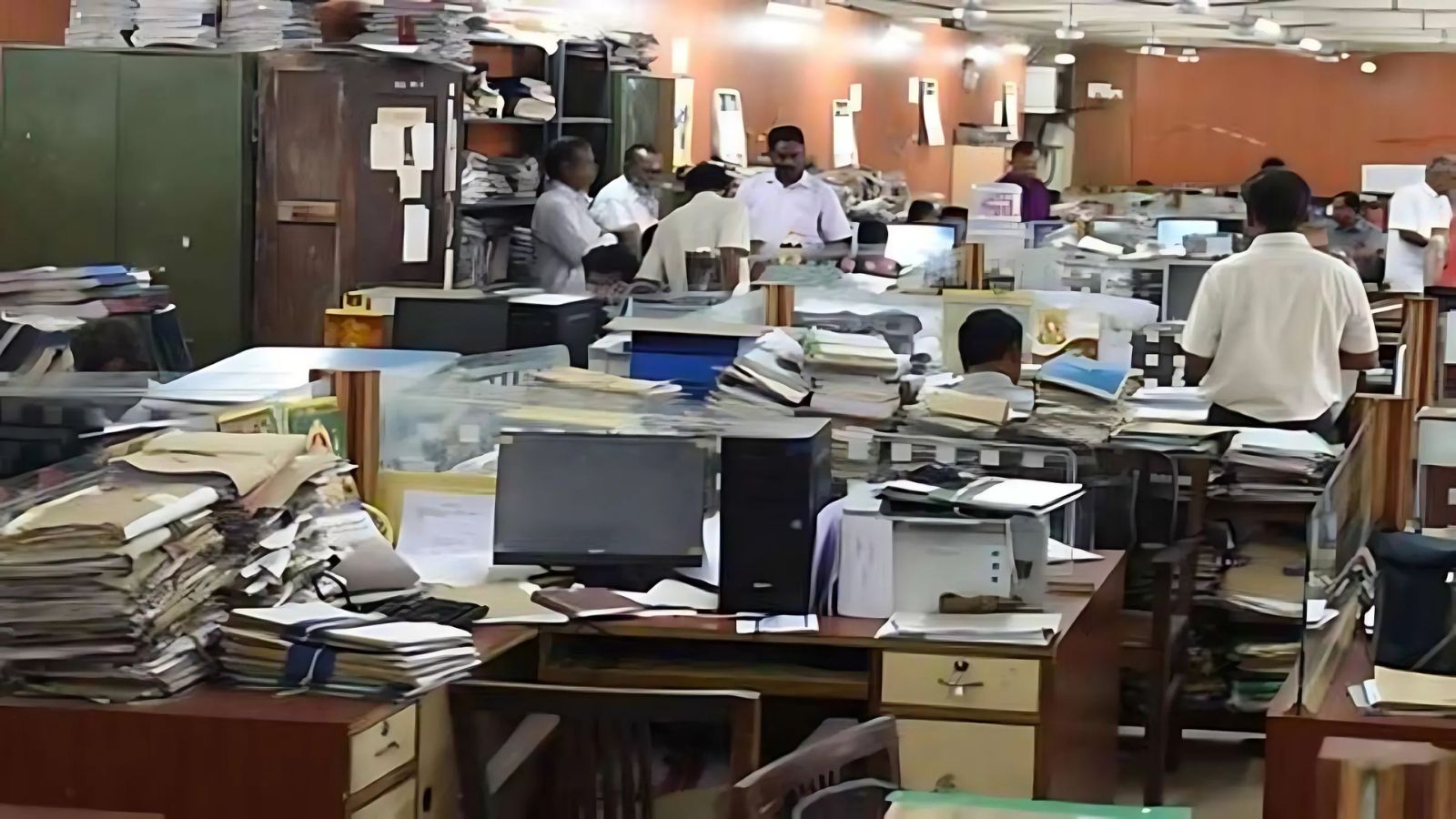
The previous mechanism for obtaining stamp papers involved a multi-step, physical interaction: citizens had to physically visit banks or designated government stores. This process demanded a manual selection of the required stamp paper value, followed by payment via cash or bank check to acquire the original security document. This workflow introduced inherent inefficiencies and logistical barriers, particularly for individuals in remote areas or those with limited mobility. Consequently, the former system created bottlenecks and presented vulnerabilities to fraudulent activities.
The New Digital Paradigm: Precision and Accessibility
In contrast, the newly implemented Punjab e-stamp system recalibrates this entire operation. Citizens now possess the capability to procure e-stamps directly from their residences via the official government portal. Furthermore, a dedicated mobile application facilitates seamless payments. Upon successful payment, an OTP (One-Time Password) verification instantaneously issues the e-stamp. This digital document is then available for download and printing on standard white paper, structurally enhancing accessibility and convenience for all citizens. This eliminates the need for any physical commute, conserving valuable time and resources.
Catalyzing Citizen-Centric Services: Direct Socio-Economic Benefits
Transforming Daily Life: Convenience and Security
The launch of the Punjab e-stamp system directly impacts the daily operational cadence of Pakistani citizens. For urban professionals, this translates into significant time savings, allowing reallocation of hours previously spent commuting to banks. For rural households, digital accessibility overcomes geographical barriers, ensuring equitable service access without travel burdens. This design inherently strengthens transaction security. The ability to print e-stamps on ordinary paper is projected to eradicate counterfeit documents. This structural integrity ensures greater peace of mind for all parties in legal and property transactions.
Economic Efficiencies and Transparency Gains
According to the Punjab Land Records Authority, this digital transformation is poised to markedly improve transparency, elevate convenience, and accelerate service delivery across the board. The availability of all stamp paper values through a unified online portal streamlines processes for the public. Consequently, this initiative fosters an environment of enhanced accountability and reduces opportunities for malfeasance. This calibrated approach to digital governance represents a tangible improvement in public service delivery, fostering trust and efficiency within the provincial administrative framework. This translates into more streamlined business processes and reduced bureaucratic friction for citizens.
The Forward Path: A Momentum Shift for Digital Governance
This strategic implementation of the Punjab e-stamp system unequivocally represents a Momentum Shift for Pakistan’s digital governance landscape. It is not merely a stabilization move; rather, it is a foundational step that propels the province towards a more integrated and technology-driven public service model. By leveraging digital platforms, Punjab is establishing a new baseline for administrative efficiency and citizen empowerment. This move positions the province as a leader in deploying technology to solve perennial bureaucratic challenges, setting a precedent for other regions to emulate. This systemic reform will catalyze further digital integration within the administrative machinery, ensuring long-term dividends in public trust and operational agility.








