
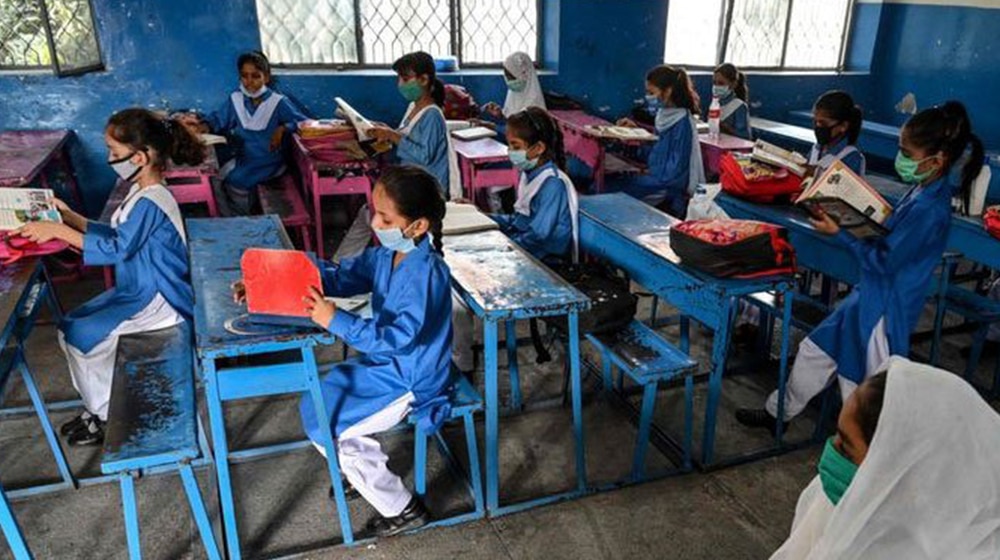
In a strategic move to optimize educational outcomes, the Punjab government has implemented a calibrated new policy, directly linking Punjab school funding for outsourced institutions to student academic performance. Specifically, schools must achieve over a 90 percent pass rate to qualify for per-student payments; conversely, underperforming entities will face withheld funds. This structural shift, overseen by the Punjab Education Department and executed through PECTA’s standardized testing, aims to elevate education quality across the province, ensuring fiscal resources are channeled into demonstrably effective learning environments.
The Translation: Unpacking the Mechanism of Accountability
The core logic behind this reform is precision in resource allocation. Essentially, the Punjab government, through its Education Department, mandates that outsourced educational facilities will undergo rigorous, standardized assessments administered by the Punjab Education Commission’s Test Administration (PECTA) unit. Consequently, PECTA is responsible for orchestrating these school-based examinations, including the critical task of bearing the printing costs for all test materials. Senior officials and divisional directors will provide vigilant oversight of this entire process, ensuring its integrity and standardized execution. Furthermore, to capture a holistic view of foundational learning, students in grades one and two will engage in oral examinations, a qualitative metric designed to complement the quantitative test results for early education performance.
The Socio-Economic Impact: Calibrating Futures for Pakistani Households
This policy represents a significant recalibration for every Pakistani family whose children attend an outsourced school in Punjab. Structurally, it fosters a performance-driven educational ecosystem where academic excellence directly correlates with institutional sustainability. For students, this translates into an intensified focus on learning outcomes, potentially leading to more robust instructional methods and improved educational environments. Consequently, parents can anticipate a higher baseline for teaching quality, knowing that their children’s schools are financially incentivized to deliver superior results. For professionals in the education sector, this initiative demands a sharper focus on pedagogical effectiveness and accountability, thereby potentially elevating the overall professional standards within outsourced institutions, directly impacting career progression and performance metrics.
The Forward Path: A Momentum Shift in Educational Governance
From an architectural standpoint, this initiative signifies a decisive momentum shift for Punjab’s educational infrastructure. It moves beyond mere maintenance to actively drive systemic improvement by embedding accountability directly into the Punjab school funding mechanism. The strategic linkage between student outcomes and financial remuneration acts as a powerful catalyst for enhancing academic rigor and pedagogical effectiveness. This is not merely a stabilization move; rather, it is a structural re-engineering designed to elevate the baseline of educational quality across outsourced schools, propelling Pakistan’s next generation forward with calibrated precision.

For further opportunities, explore scholarships at EduNation.








